
Paris’s Green Transformation Under Mayor Anne Hidalgo
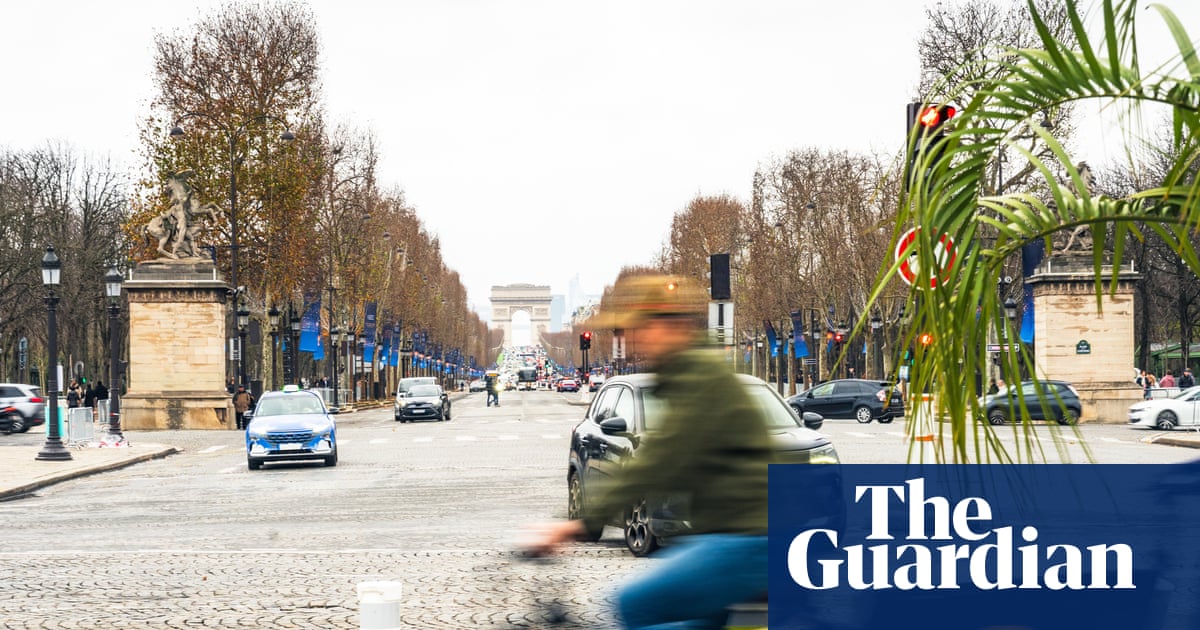
Since 2014, Paris Mayor Anne Hidalgo has aggressively transformed the French capital by replacing car-centric infrastructure with 155,000 new trees and hundreds of kilometers of bike lanes. This systemic urban overhaul aims to combat climate change, reduce pollution, and reclaim public space for residents, and pedestrians.
The shift isn’t just about aesthetics or “green” optics. It is a fundamental redistribution of urban territory. For decades, the private automobile dictated the flow, noise, and air quality of the city. Now, the city is fighting back. But this transition creates a friction point: the clash between traditional commerce and new mobility laws.
When you remove parking spaces to plant a forest of urban trees, you aren’t just helping the planet; you are disrupting the logistics of every business on that block. Delivery drivers are stranded, and traditional storefronts are seeing their curbside access vanish.
The Macro-Economic Pivot: From Asphalt to Ecosystems
Paris is leveraging a concept known as the “15-Minute City,” where all essential human needs are within a short walk or bike ride. This isn’t merely a planning preference; it is a legislative mandate. By integrating the Associated Press‘s reporting on global urban trends, we see that Paris is leading a wave of “tactical urbanism” that is now being mirrored in Bogotà and London.
The scale of the investment is staggering. The city has moved beyond simple paint-on-the-road bike lanes to permanent, segregated corridors. This requires massive capital expenditure and a complete rewrite of municipal zoning codes. However, the “problem” for many local entrepreneurs is the transition period. While long-term property values in pedestrianized zones typically rise, the short-term logistical nightmare often requires specialized help. Business owners are increasingly turning to strategic urban planning consultants to pivot their delivery models and survive the transition.
“The transformation of Paris is not a war on cars, but a liberation of the street. We are moving from a city that serves machines to a city that serves humans, though we recognize the friction this causes for the traditional merchant class.”
This quote from a senior official at the Mairie de Paris underscores the intentionality of the disruption. The city is essentially forcing a market evolution.
The Infrastructure Gap: Logistics and Law
While the narrative focuses on “breathable air,” the reality on the ground involves a complex web of legal disputes. When a street is closed to traffic, the legal status of “access” becomes a battleground. Who gets a permit? Which delivery vehicles are exempt? This has created a surge in demand for administrative law specialists who can navigate the bureaucracy of the Prefecture of Police and the Mayor’s office to secure essential commercial exemptions.

To understand the impact, we must look at the data comparing the pre-2014 era to the current 2026 landscape:
| Metric | Pre-2014 Baseline | 2026 Target/Actual | Impact Level |
|---|---|---|---|
| Tree Canopy | Fragmented/Low | 155,000+ New Trees | High (Heat Island Reduction) |
| Bicycle Infrastructure | Minimal/Dangerous | Hundreds of Kilometers | Critical (Modal Shift) |
| Car Access | Ubiquitous | Highly Restricted | Disruptive (Logistics) |
| Air Quality (NO2) | Above EU Limits | Significant Reduction | Public Health Win |
The data suggests a successful public health outcome, but a logistical crisis for the “last mile” of delivery. The “Information Gap” here is the lack of discussion regarding the secondary economy. As cars vanish, a new ecosystem of micro-mobility services, e-cargo bike fleets, and pedestrian-friendly retail is emerging.
Regional Ripples and Global Precedents
Here’s not happening in a vacuum. The Paris model is influencing the UK Government’s approach to Low Traffic Neighborhoods (LTNs) and the European Union’s broader “Green Deal” initiatives. When Paris succeeds, it provides the legal and social blueprint for other European capitals to implement similar restrictions without facing total political collapse.
However, the pushback is real. Suburban commuters, who cannot easily transition to bikes, find themselves locked out of the city center. This creates a geographic divide: a “green” core for the wealthy and a “congested” periphery for the working class. This socio-economic tension is where the next decade of urban conflict will be fought.
To mitigate these tensions, the city is investing in “hub-and-spoke” logistics. This means creating massive transfer points on the city outskirts where heavy trucks unload into smaller, electric vehicles. For companies operating within these zones, the require for modernized supply chain managers is no longer optional—it is a requirement for survival.
“We are seeing a fundamental shift in how the city breathes. The challenge now is ensuring that the ‘green’ transition doesn’t grow a tool for gentrification, but remains a public utility for all citizens regardless of their zip code.”
This insight from a local community leader in the 11th Arrondissement highlights the fragility of the project. The success of the “bike revolution” depends on whether the city can maintain equity while removing the internal combustion engine.
Paris has proven that a city can be forcibly reimagined in a single decade. The asphalt is being peeled back to reveal a more breathable, walkable urban core, but the cost of this progress is a total upheaval of the traditional commercial order. The “problem” of the car-free street is, in reality, an opportunity for a new breed of urban professional to redefine how a city functions.
As other global metropolises look to the Paris model, the demand for verified expertise in urban transition—from legal navigation to logistical restructuring—will only intensify. Whether you are a business owner facing a closed street or a developer planning a pedestrian-first complex, the ability to find vetted, experienced professionals is the only way to turn urban disruption into a competitive advantage. The World Today News Directory remains the definitive bridge to the experts capable of navigating this new, green geography.