
Paris Bomb Plot: Man Arrested Near US Bank
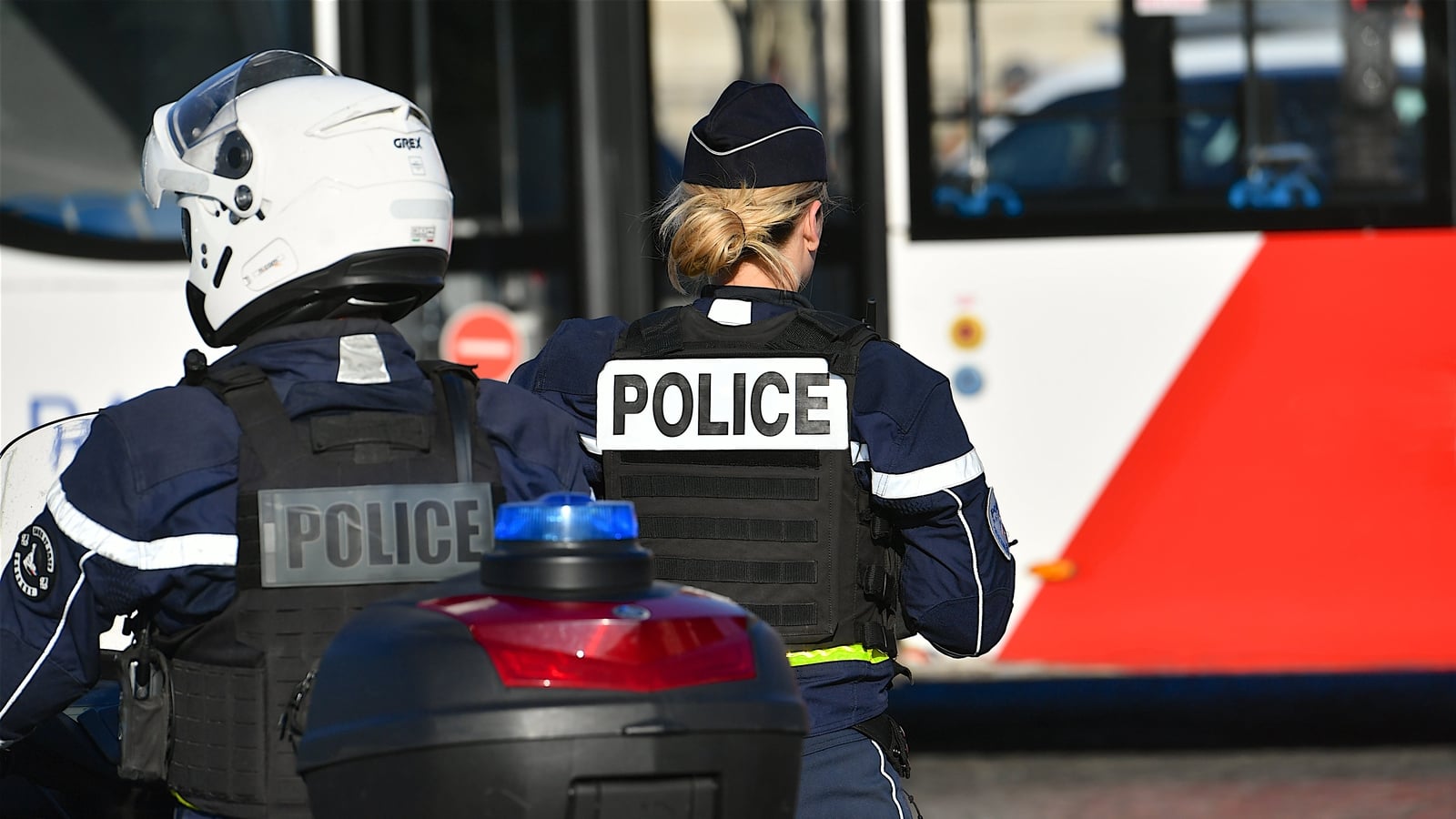
French authorities intercepted a sophisticated homemade explosive device outside a Bank of America branch in Paris’s 8th arrondissement early on March 28, 2026. Police arrested a suspect moments after placement, neutralizing a threat targeting US financial infrastructure near the Champs-Elysees. The device, containing five liters of liquid fuel, underscores a critical vulnerability in urban financial districts.
The silence of the 8th arrondissement at 3:30 AM was broken not by an explosion, but by the swift, coordinated intervention of the Paris Police Prefecture. This was not a random act of vandalism. It was a calculated strike against the intersection of American capital and French soil. By targeting a major US bank just steps from the diplomatic heavyweights of the Champs-Elysees, the perpetrator signaled a specific intent to disrupt the transatlantic economic engine.
Security analysts are already dissecting the mechanics of the failed plot. The device relied on a liquid fuel base—likely gasoline or a volatile accelerant—combined with a rudimentary but effective ignition system. This choice of materials bypasses traditional metal detectors, exploiting the “liquid threat” vector that has plagued aviation and high-security transit for two decades. It forces a re-evaluation of perimeter security for open-access financial institutions.
The Geopolitical Target: Why the 8th Arrondissement?
Location is everything in terrorism. The 8th arrondissement is not merely a shopping district; it is a fortress of commerce and diplomacy. Housing the Élysée Palace and countless embassies, this zone represents the administrative heart of the Fifth Republic. An attack here is a direct challenge to state sovereignty.
the selection of a Bank of America branch places this incident squarely within the realm of economic warfare. In 2026, as global markets remain volatile, physical attacks on banking infrastructure serve a dual purpose: immediate physical destruction and long-term psychological erosion of investor confidence. When a bank branch becomes a crime scene, the ripple effects extend far beyond the local municipality.
Local business owners in the Golden Triangle are now facing a stark reality. The perceived safety of their assets has been compromised. This necessitates an immediate audit of physical security protocols. For multinational corporations operating in high-profile European capitals, reliance on standard municipal policing is no longer sufficient. They require specialized corporate risk assessment and physical security firms capable of identifying blind spots that local law enforcement might overlook during routine patrols.
“The use of liquid accelerants indicates a shift away from complex military-grade explosives toward accessible, dual-use materials. This lowers the barrier to entry for lone actors but increases the difficulty of detection.”
Legal and Insurance Repercussions
The arrest triggers a complex web of legal jurisdictions. Under French law, specifically the Code pénal, acts of terrorism involving explosives carry severe penalties, often leading to life imprisonment. However, the involvement of a US entity introduces layers of international liability and insurance complexity.
Insurance adjusters and legal teams are already mobilizing. The definition of an “act of terror” versus “civil commotion” can drastically alter payout structures for business interruption claims. Banks and neighboring retailers must navigate these definitions carefully to ensure their assets are protected.
This is where the expertise of international insurance and liability attorneys becomes critical. Navigating the intersection of French criminal procedure and US corporate liability requires counsel that understands both the French Penal Code and the nuances of cross-border commercial insurance policies. A delay in classifying the event could cost institutions millions in lost coverage.
The Macro-Economic Shadow
While the physical damage was contained, the economic shadow of this event is long. The 8th arrondissement relies heavily on high-net-worth tourism and luxury retail. Security scares in this zone have a history of depressing foot traffic for weeks following an incident.
Municipal authorities will likely respond with increased visible patrols and potentially new surveillance ordinances. For businesses, this means adapting to a new normal of heightened scrutiny. The balance between an open, welcoming commercial environment and a hardened security posture is difficult to maintain.
Regional economists warn that repeated threats against financial symbols could lead to a “security premium,” where the cost of doing business in central Paris rises due to mandatory private security expenditures. This could drive smaller enterprises out of the district, consolidating power among only the largest conglomerates capable of affording fortress-level protection.
Immediate Action for Stakeholders
The foiling of this attack is a victory for intelligence-led policing, but it is also a warning shot. The methodology—simple materials, high-impact location—suggests that copycat attempts are possible. Stakeholders in the financial and diplomatic sectors must move from reaction to prevention.
- Perimeter Hardening: Reviewing access points and implementing anti-ramming barriers where aesthetically feasible.
- Surveillance Integration: Upgrading CCTV systems to include AI-driven anomaly detection for unattended packages or suspicious loitering.
- Crisis Communication: Preparing public relations strategies to manage reputational risk. In the event of an incident, the speed of response determines the longevity of the brand damage. Engaging crisis management and public relations specialists before a crisis hits is the only way to control the narrative.
The US Department of State has not yet issued a formal travel advisory change, but the alert level for US facilities in Paris remains elevated. This incident serves as a grim reminder that in a hyper-connected world, local events have global consequences.
The device was defused, and the suspect is in custody. The streets of the 8th arrondissement are open for business again. But the air feels different today. Heavier. The illusion of invulnerability that shields global finance has cracked. For the directors and executives watching from boardrooms in New York and London, the message is clear: The battlefield has shifted from the border to the boulevard. Protecting your interests now requires more than just a lock on the door; it demands a comprehensive strategy woven by verified security experts who understand that in 2026, safety is not a given—it is a constructed asset.