
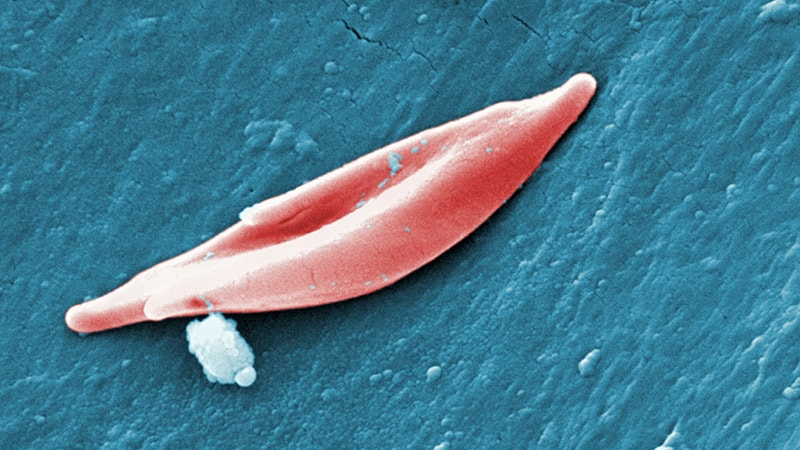
Parental Trauma Linked to Soaring Healthcare Needs for Children with Sickle Cell
Study Highlights Adverse Childhood Experiences’ Impact on Pediatric ED Visits
A new study reveals a stark connection: parents who endured more childhood adversity are likely to have children with sickle cell disease (SCD) requiring significantly more emergency department (ED) visits. This research underscores the profound impact of parental psychosocial factors on pediatric health outcomes.
Childhood Adversity Fuels Healthcare Burden
Researchers found that children whose parents reported a higher number of adverse childhood experiences (ACEs) averaged 12.5 emergency visits, a stark contrast to the 3.8 visits seen in children of parents with fewer ACEs. The study, conducted from 2020 to 2023, examined 79 children with SCD and their caregivers.
Resilience Offers a Shield, But ACEs Persist
The analysis, which categorized parental ACE scores into low (0 ACEs), intermediate (1-3 ACEs), and high (4+ ACEs), indicated that 17.7% of caregivers fell into the high-risk category. While 83.5% of caregivers displayed normal resiliency levels, those with high ACE scores saw their children with SCD experience more ED visits and hospitalizations. A regression coefficient of 7.35 (95% CI, 1.77-12.94) demonstrated this significant association.
Low Parental Resilience Exacerbates Health Crises
Furthermore, the findings indicated that lower parental resilience was also linked to an increase in ED visits for children with SCD, with a regression coefficient of 5.69 (95% CI, 0.13-11.26). This suggests that a parent’s ability to bounce back from hardship directly influences their child’s healthcare utilization, particularly during crises.
Integrating Trauma-Informed Care
“Our study offers insights into parental psychosocial factors that practitioners should consider when caring for pediatric populations from vulnerable communities,” the authors noted. They advocate for integrating parental ACE screening into pediatric care to foster more effective trauma-informed approaches, especially for groups like children with SCD.
Study Limitations and Future Directions
The study acknowledged several limitations, including a modest sample size, incomplete data on medication adherence, and reliance on self-reported ACEs. Researchers also noted potential sampling bias and the exclusion of factors like chronic pain from the analysis. The precise ratio of scheduled versus missed clinic appointments was not fully detailed, potentially affecting healthcare use estimations.
The research, led by David K. Wilson, DO, of Arkansas Children’s Hospital, was published online on July 10, 2025, in JAMA Network Open. Understanding these parental vulnerabilities is crucial as healthcare systems worldwide grapple with improving care for chronic pediatric conditions. For instance, in 2023, the U.S. saw over 1.6 million emergency department visits for pediatric asthma alone, highlighting the general strain on emergency services for childhood illnesses (American Hospital Association, 2023).
