Pancreatic Cancer Often Diagnosed Late, Expert Says
Silent Killer Claims Sixth Spot in Global Cancer Deaths
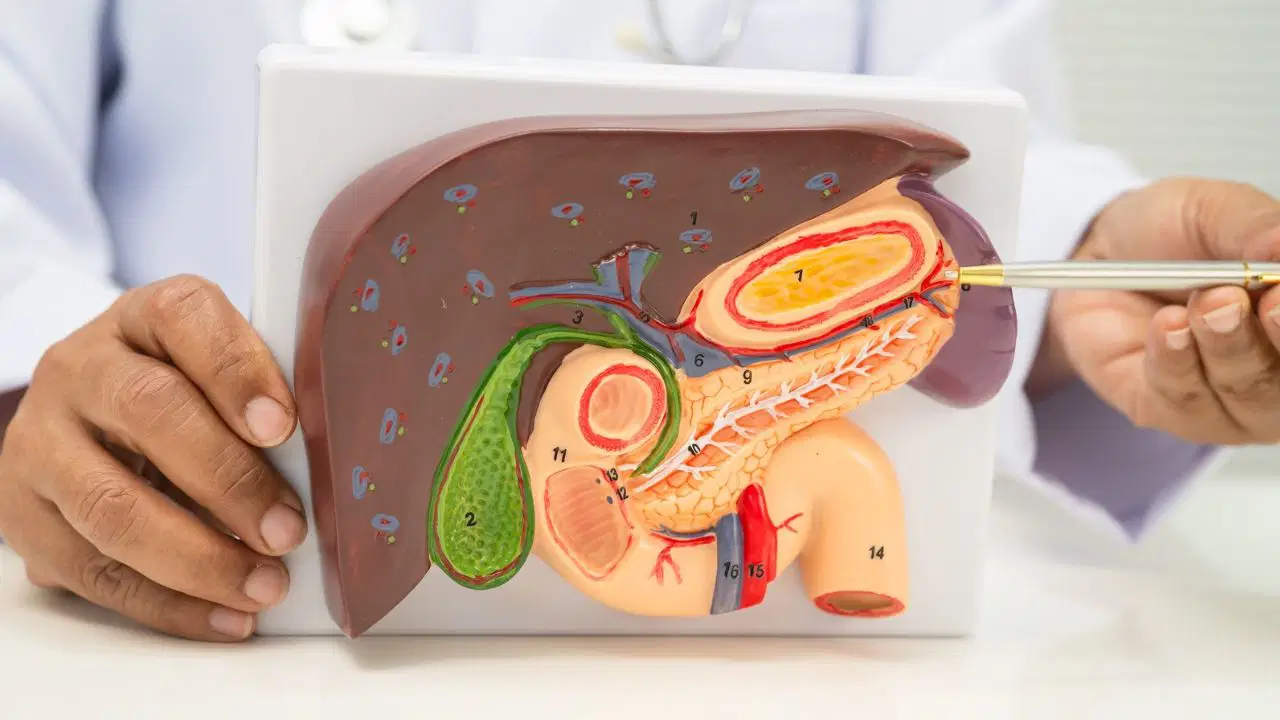
Pancreatic cancer now ranks sixth worldwide for cancer-related fatalities, highlighting its deadly trajectory. Prof. Dr.
“The disease often advances without clear symptoms until tumors reach later stages or metastasize,” Yıldırım explained. Its presentation varies. “Pancreatic cancer can present with different symptoms depending on the tumor location,” he said. “It can cause jaundice and weight loss, but sometimes, due to the region it occupies, it may not cause symptoms and is diagnosed at an advanced stage after metastasis.” He added that in such cases the chance of late treatment is quite high.
Key Symptoms Demand Medical Scrutiny
Unexplained weight loss, abdominal pain, and jaundice are red flags that warrant immediate medical evaluation, Yıldırım emphasized. However, he cautioned that these signs are not exclusive to pancreatic cancer, appearing in other conditions as well.

Advanced Imaging Guides Diagnosis
Radiological imaging is central to a correct diagnosis. While abdominal ultrasound cannot always visualize the pancreas adequately, computed tomography and magnetic resonance scans are more effective. A more precise tool, endoscopic ultrasonography (EUS), allows for a closer examination of suspicious masses. “With devices called endoscopic ultrasonography, we can take biopsies from masses and make the diagnosis,” Yıldırım said. This technique, which images the pancreas via the stomach and duodenum, also helps evaluate neighboring structures, including the gallbladder and liver. “With endoscopic ultrasonography we can take biopsies from masses and make the diagnosis,” he said.
Tailored Treatment Plans Hinge on Accurate Staging
Yıldırım said that plans depend on the tumor’s location, size, and spread. Surgical eligibility is assessed first. When surgery is not an option, alternative treatments are considered, but accurate staging remains critical for effective planning.
Diagnostic pathway stresses cross-sectional imaging first
Yıldırım said that in patients suspected of having a tumor, radiological evaluation with computed tomography or magnetic resonance scans is essential.

When a lesion is detected, he explained, it must be determined whether it represents a tumor.
EUS evaluates neighboring organs and sphincter function
The professor described how the technique images structures adjacent to the digestive tract, including the gallbladder, liver, and lesions near the esophagus.
Endoscopic Ultrasonography Also Used for Other Diseases
Endoscopic ultrasonography is not used only for pancreatic diseases, Yıldırım said. The method is also useful for evaluating organs adjacent to the digestive system. He said lesions in the stomach and intestinal walls, the depth of those lesions, and surrounding lymph nodes can be assessed, and in some patients the structure of the sphincter muscles can be evaluated.