Paks Riverbed Dam Construction Sparks Environmental and Political Debate
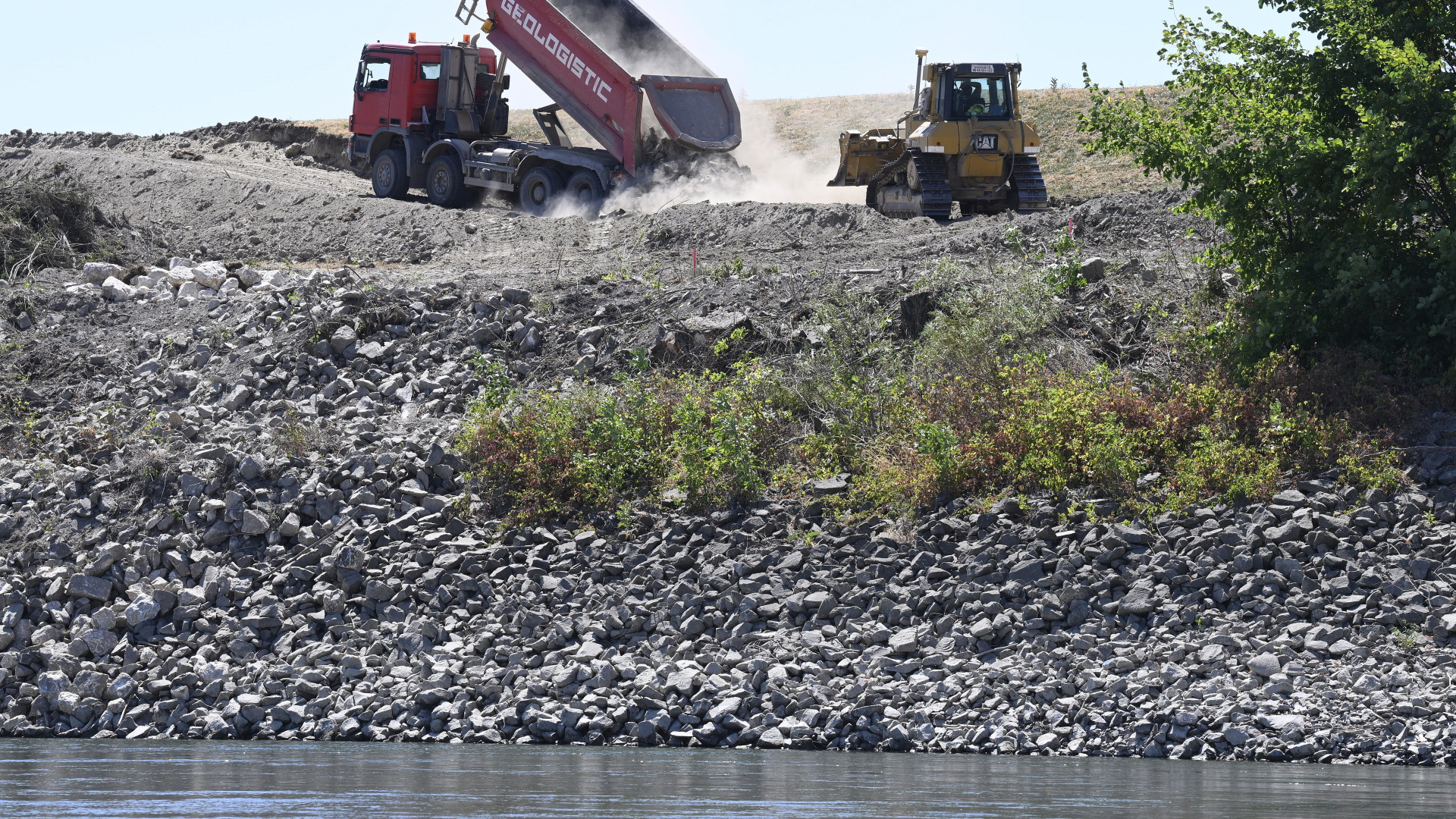
Construction has officially begun on a crucial riverbed threshold near the Paks Nuclear Power Plant in Hungary, designed to stabilize water levels along the Danube. According to portfolio.hu, the project moves forward amid sharp public debate over material sourcing, total project costs, and downstream ecological risks flagged by conservation groups.
Project Scope and Funding Questions at the Paks Site
The engineering intervention centers on raising the water level of the Danube near the Paks facility to ensure uninterrupted cooling capabilities for the nuclear plant. According to hvg.hu, the initiative carries an allocated budget of six billion forints.
Public scrutiny intensified following announcements by political figure Magyar Péter regarding the origin of the construction aggregates. According to portfolio.hu, Magyar Péter clarified the precise geographical origin of the stone designated for the riverbed threshold, addressing rumors and supply-chain transparency concerns. Ensuring an uninterrupted supply of raw materials remains a logistical priority for municipal authorities and regional contractors managing heavy civil engineering works.
Downstream Environmental Concerns and Ecological Warnings
While plant operators view the riverbed modification as vital for operational security, environmental watchdogs warn of unintended consequences. According to 24.hu, the World Wide Fund for Nature (WWF) issued a formal warning stating that the construction of the Paks riverbed threshold could severely exacerbate hydrological conditions on the downstream side of the barrier.
According to Piac&Profit, the engineering intervention may successfully secure water intake levels for the nuclear reactors, but it introduces a distinct set of secondary hydrological problems.
Outlook and Long-Term Infrastructure Management
As work on the riverbed threshold progresses, the intersection of energy security and environmental preservation remains a central challenge for Hungarian infrastructure planners. Balancing the operational needs of the Paks facility against the ecological integrity of the Danube requires continuous monitoring by both state regulators and independent watchdogs.
The long-term success of the six-billion-forint intervention will depend on rigorous engineering execution and transparent supply-chain management.