
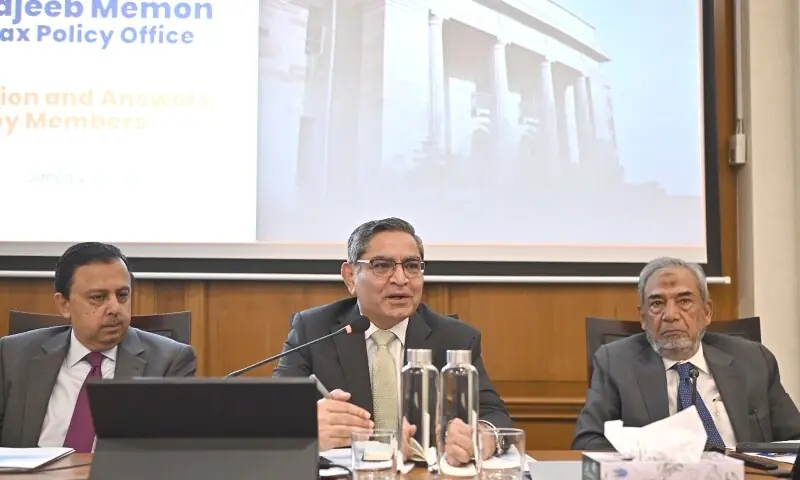
Pakistan Launches Crucial Tax Policy Consultations wiht Key Business Groups
Islamabad – January 10, 2026 – The Ministry of finance’s Tax Policy Office (TPO) has initiated a series of pre-budget consultations, beginning in karachi, with leading business organizations – the Overseas Investors Chamber of Commerce and Industry (OICCI) and the Pakistan Business Council (PBC). This move signals a proactive approach to shaping tax policies that foster a more attractive investment climate and drive lasting economic growth in Pakistan.
Engaging with the Private Sector: A Collaborative Approach
The consultations, which commenced on Thursday, saw TPO Director General dr. Najeeb Memon engage in interactive sessions with representatives from both the OICCI and the PBC. The OICCI, representing the interests of the top 200 foreign investors in Pakistan, played host to Dr. Memon,followed by a separate meeting with PBC members. This direct engagement underscores the government’s commitment to incorporating private sector perspectives into the crucial tax policymaking process.
Key Priorities for a Robust Tax Framework
During the discussions, OICCI President Yousaf Hussain emphasized the need for a clearly defined, medium-term tax policy framework. He argued that such a framework should prioritize broadening the tax base, streamlining compliance procedures, and aligning taxation with national economic goals – specifically investment, export promotion, and job creation. Hussain believes this approach is vital to bolstering investor confidence and fostering long-term economic prosperity.
echoing this sentiment, OICCI Secretary general M. Abdul Aleem highlighted the growing demand from foreign investors for structural reforms. “Foreign investors are increasingly looking beyond short-term stabilization and are seeking evidence of sustained, essential improvements in the business environment,” Aleem stated. this suggests a shift in investor expectations, demanding more than just temporary fixes.
Focus Areas for Tax Reform
The consultations centered on identifying key challenges faced by the private sector, pinpointing distortions within the current tax system, and collaboratively developing policies that encourage investment, enhance competitiveness, and promote the formalization of the economy. These discussions are especially timely given Pakistan’s ongoing economic challenges and its need to attract both domestic and foreign investment.
Broadening the Tax Base: A Critical Step
A core theme emerging from the consultations is the necessity of broadening the tax base. Currently, a relatively small percentage of the population and businesses contribute to the national tax revenue. Expanding the tax net would not onyl increase government revenue but also create a more equitable system, reducing the burden on existing taxpayers. This requires addressing issues of tax evasion and improving tax management.
Simplifying Tax Compliance: reducing the Burden on Businesses
Complex tax regulations and cumbersome compliance procedures often discourage investment and hinder business growth. Simplifying the tax system, reducing bureaucratic hurdles, and leveraging technology to streamline processes are crucial steps towards creating a more business-kind environment. Digitalization of tax filing and assessment can significantly reduce compliance costs and improve efficiency.
aligning taxation with National Priorities
tax policies should be strategically aligned with national economic priorities. Incentivizing investment in key sectors, promoting exports, and supporting job creation through targeted tax breaks and incentives can drive economic growth and development. This requires a holistic approach that considers the broader economic impact of tax policies.
Government Assurance and Future Outlook
Dr. Najeeb Memon, acknowledging the valuable input from the OICCI and PBC, assured participants that stakeholder feedback will be central to the development of effective tax policies. This commitment to inclusivity is a positive sign, suggesting a willingness to collaborate with the private sector to address the challenges and opportunities facing Pakistan’s economy.
The ongoing consultations represent a critical step towards creating a more stable, predictable, and investor-friendly tax environment in Pakistan. Successful implementation of these reforms will be essential for attracting foreign investment, stimulating economic growth, and improving the overall business climate. the outcome of these discussions will undoubtedly shape the economic landscape of Pakistan in the years to come.
Published in Dawn, january 9th, 2026
