
Pakistan-Led Peace Talks Between US & Iran Gain Support from Key Middle Eastern Nations
Foreign ministers from Pakistan, Saudi Arabia, Turkey, and Egypt convened in Islamabad to back Pakistan’s mediation effort between Washington and Tehran. This diplomatic push aims to curb Middle East escalation, directly impacting global energy volatility and supply chain stability for Q2 2026.
Geopolitical stability is a tangible asset class. When four regional powers align to de-escalate tension between the United States and Iran, capital markets react before the politicians finish their press conferences. The meeting in Islamabad signals a potential reduction in the geopolitical risk premium currently baked into Brent crude futures. Corporate treasurers managing exposure to energy derivatives require to monitor this closely. A stabilized Strait of Hormuz translates directly to lower insurance premiums and predictable logistics costs.
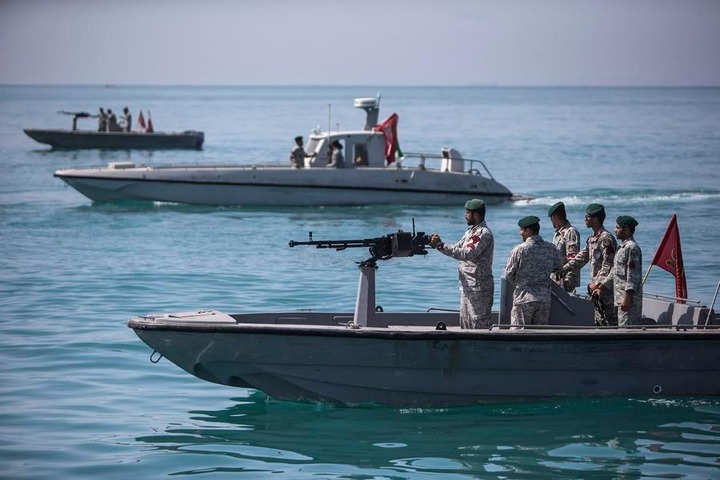
Market volatility often stems from supply chain discontinuities rather than pure commodity scarcity. The commitment to prevent military escalation addresses a critical friction point for global trade. Approximately 20% of the world’s petroleum consumption passes through the Strait of Hormuz. Any disruption here spikes freight costs and forces immediate recalibration of hedging strategies. Companies relying on just-in-time delivery models face elevated exposure during such diplomatic maneuvers.
Investment firms are already adjusting their risk models to account for regional sovereignty shifts. Institutional capital favors predictability over optimistic peace treaties. The formation of a committee comprising senior officials from the four participating ministries suggests a structured approach rather than a fleeting dialogue. This structure provides the consistency required for long-term infrastructure planning. Multinational corporations operating across these jurisdictions must align their compliance frameworks with evolving diplomatic norms.
“Geopolitical risk is no longer a binary event; We see a continuous variable in asset allocation models. We are seeing clients demand deeper due diligence on regional stability before committing capital to emerging market debt.”
Chief Investment Officers at major asset managers emphasize the need for granular data over headline news. The statement from Pakistan’s Deputy Prime Minister Mohammad Ishaq Dar highlights dialogue as the only viable path. Markets interpret this as a signal that sanction regimes may face renegotiation or adjustment. Firms navigating these waters require robust international compliance legal counsel to ensure adherence to shifting regulatory landscapes. A misstep in sanctions compliance can result in penalties exceeding operational profits.
The economic consequences of hostilities extend beyond oil prices. Humanitarian instability disrupts labor markets and consumer confidence across the region. The ministers expressed concern regarding destruction and instability, acknowledging that continued combat aggravates fiscal deficits. Sovereign debt spreads in emerging markets often widen during such periods, increasing borrowing costs for local subsidiaries of global enterprises. Treasury departments must account for currency fluctuation risks associated with regional instability.
Three critical shifts will define the industry response to this diplomatic initiative:
- Energy Hedging Strategies: Traders will reassess call options on volatility indices. A successful mediation reduces the need for expensive downside protection in energy portfolios. U.S. Energy Information Administration data flows will become central to modeling supply interruptions.
- Supply Chain Diversification: Logistics firms are accelerating routes that bypass high-risk zones. Companies are consulting specialized logistics providers to reroute cargo through alternative corridors, accepting higher transit times for lower risk profiles.
- Defense and Security Spending: Even with peace talks, defense budgets remain sticky. Contractors maintain high backlogs regardless of diplomatic outcomes. Investors track Treasury financial market indicators to gauge government spending commitments in the region.
Coordination among Pakistan, Saudi Arabia, Turkey, and Egypt creates a bloc capable of influencing regional trade terms. This cooperation reduces the likelihood of unilateral actions that could disrupt commerce. For businesses, this means a more stable environment for contract enforcement. However, trust takes time to build. The decision to create a committee of high officials indicates a long-term engagement strategy. Corporate planners should view this as a multi-quarter development rather than an immediate fix.
Capital markets demand verification. While the ministers expressed full support for the initiative, traders will wait for concrete actions. Confidence in the facilitation role of Pakistan must be backed by measurable reductions in military posturing. Until then, volatility remains a profitable sector for specific hedge funds. Business and Financial Occupations data suggests a growing demand for analysts who can parse political signals into financial forecasts. The skill gap lies in translating diplomatic nuance into EBITDA impact.
Risk management firms are seeing increased inquiries regarding political risk insurance. Standard policies often exclude acts of war or specific regional conflicts. Enterprises need tailored coverage that accounts for the unique topology of Middle East tensions. Engaging enterprise risk management consultants allows firms to structure policies that protect balance sheets against sudden escalations. The cost of prevention remains lower than the cost of recovery.
The narrative emerging from Islamabad is one of cautious optimism. Preventing escalation preserves the status quo, which markets generally prefer over unknown variables. Yet, the underlying tensions regarding nuclear capabilities and regional influence remain unresolved. Financial models must incorporate scenario analysis for both successful mediation and sudden breakdown. Resilience requires flexibility in capital deployment.
Investors should watch the next quarterly earnings calls for exposure mentions. Companies with significant revenue streams in the Gulf region will provide guidance on how these talks impact their outlook. Listen for changes in capex guidance related to regional infrastructure. A shift from defensive spending to growth investment signals genuine confidence in the diplomatic process. Until then, maintain liquidity.
Global trade relies on the free flow of goods and capital. Any barrier erected by conflict acts as a tax on efficiency. The initiative to host talks between the United States and Iran is a attempt to remove that tax. Success means lower input costs and smoother operations. Failure means renewed hedging costs and supply chain fragmentation. The World Today News Directory tracks the B2B partners capable of navigating these complexities. Finding the right advisory team is the first step in securing operational continuity amidst geopolitical shifts.