
Pakistan Approves Mobile App Based Fuel Quota System for Two and Three Wheelers
Pakistan’s federal government and provincial authorities have reached an agreement to implement a mobile application-based fuel quota system for motorcycles and rickshaws, aiming to deliver targeted subsidies to low-income citizens and curtail fuel leakage. The initiative, driven by fiscal constraints and a demand for responsible consumption, will rely on a network of 24,000 smartphones distributed to petrol stations nationwide. This move signals a broader shift towards data-driven subsidy management and fiscal prudence.
The urgency behind this rollout isn’t simply about social welfare; it’s a direct response to a precarious fiscal situation. Pakistan’s limited fiscal space, heavily reliant on petroleum levy revenues, is being stretched thin by global price volatility and the need to maintain affordable fuel costs for its population. The government is actively seeking ways to minimize revenue bleed and ensure that subsidies reach their intended recipients. This is where the operational complexities begin, and the demand for specialized services escalates. Businesses providing robust cybersecurity solutions will be critical in safeguarding the app and user data from potential breaches, given the sensitivity of the information involved.
Navigating a Tightrope: Fiscal Prudence and Political Realities
Finance Minister Muhammad Aurangzeb’s emphasis on “fiscally prudent” policy responses underscores the delicate balancing act the government faces. While acknowledging the need for public relief, the administration is acutely aware of the macroeconomic stability risks associated with unchecked spending. The request for provincial governments to share the burden of higher international prices, as reported by Dawn, highlights the strain on national finances. This isn’t a new dynamic. Pakistan has historically relied on a combination of federal funding and provincial contributions to manage essential commodity prices. However, the current economic climate demands a more sustainable and transparent approach.
The IT Ministry’s procurement of 24,000 smartphones, sourced exclusively from local manufacturers registered under the Mobile Device Manufacturing (MDM) program, is a strategic move to support domestic industry while simultaneously addressing the immediate logistical needs of the program. The NITB’s clarification that this is merely an exercise to assess pricing and availability is a procedural formality; the commitment to proceed with procurement is evident. The specifications – PTA approval, one-year warranty, and pre-installed government applications – demonstrate a focus on quality and security.
The Technological Backbone: App Functionality and Data Security
The proposed app-based system, described as fully automated, aims to streamline fuel distribution and eliminate opportunities for fraud. The two-app structure – one for retailers and one for consumers – coupled with vehicle-based quotas linked to CNIC numbers, represents a significant step towards digitalizing subsidy delivery. The system’s similarity to the previously successful Ramazan Package model suggests a degree of confidence in its operational feasibility. However, the success of this initiative hinges on the robustness of the underlying technology and the effectiveness of data security measures.
“The biggest risk isn’t the initial implementation cost, but the long-term maintenance and security of the system. A compromised app could lead to massive fraud and erode public trust.”
— Dr. Aisha Khan, Senior Analyst, Frontier Markets Capital
The reliance on Oil Marketing Companies (OMCs) to purchase and distribute the smartphones, as stated by IT Minister Shaza Fatima Khawaja, shifts a portion of the financial burden to the private sector. This approach, while potentially reducing the immediate strain on public funds, introduces a new layer of complexity in terms of coordination and accountability. OMCs will need to integrate the new devices into their existing infrastructure and ensure that their staff is adequately trained to operate the system. This is where specialized supply chain management firms can provide crucial support, optimizing the distribution process and minimizing logistical bottlenecks.
Beyond the Immediate Crisis: Structural Reforms and Long-Term Sustainability
Aurangzeb’s call for structural reforms, rather than viewing the current situation as merely a constraint, is a welcome sign of forward-thinking leadership. The emphasis on data-driven decision-making in taxation and subsidy design is crucial for ensuring transparency, efficiency, and better targeting of relief. The government’s recognition of the need to promote responsible consumption behavior is also a positive step towards long-term sustainability. However, translating these principles into concrete policies will require sustained political will and a commitment to evidence-based policymaking.
The government’s fiscal situation, as briefed to the meeting participants, is undeniably tight. Revenues are largely confined to the petroleum levy, making any relief measures contingent on maintaining macroeconomic stability. This constraint underscores the importance of exploring alternative revenue sources and implementing fiscal consolidation measures. The potential for incorporating behavioral aspects into crisis management, as highlighted by Punjab Senior Minister Marriyum Aurangzeb, suggests a growing awareness of the role of consumer psychology in shaping energy demand.
The Provincial Perspective: Collaboration and Burden Sharing
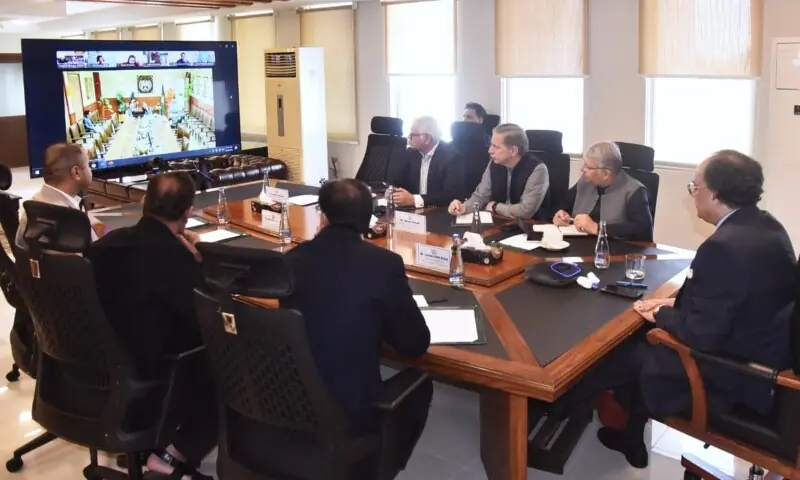
The active participation of provincial leadership in the consultative meeting demonstrates a commitment to collaborative governance. Sindh Chief Minister Murad Ali Shah’s appreciation for the federal government’s efforts to maintain fuel availability, coupled with his emphasis on fuel conservation, reflects a shared understanding of the challenges at hand. Khyber Pakhtunkhwa Finance Minister Muzzammil Aslam’s praise for Aurangzeb and Petroleum Minister Ali Pervaiz Malik underscores the importance of effective coordination between federal and provincial authorities.
The fact that Pakistan’s petroleum supply management has been comparatively better than that of several regional countries is a testament to the effectiveness of existing systems. However, the current crisis demands a more proactive and innovative approach. The app-based quota system represents a bold attempt to address the challenges of targeted subsidy delivery and fiscal prudence.
The implementation of this system will inevitably create a demand for legal expertise, particularly in areas related to data privacy, consumer protection, and contract law. Specialized corporate law firms with experience in technology and regulatory compliance will be essential for navigating the legal complexities of this initiative.
Looking ahead, the success of this program will depend on its ability to adapt to changing market conditions and address unforeseen challenges. The government must remain vigilant in monitoring the system’s performance, identifying areas for improvement, and ensuring that it remains aligned with its broader economic objectives. The World Today News Directory stands ready to connect businesses with the expert partners they need to navigate this evolving landscape and capitalize on the opportunities that arise from this pivotal shift in Pakistan’s fuel subsidy management.