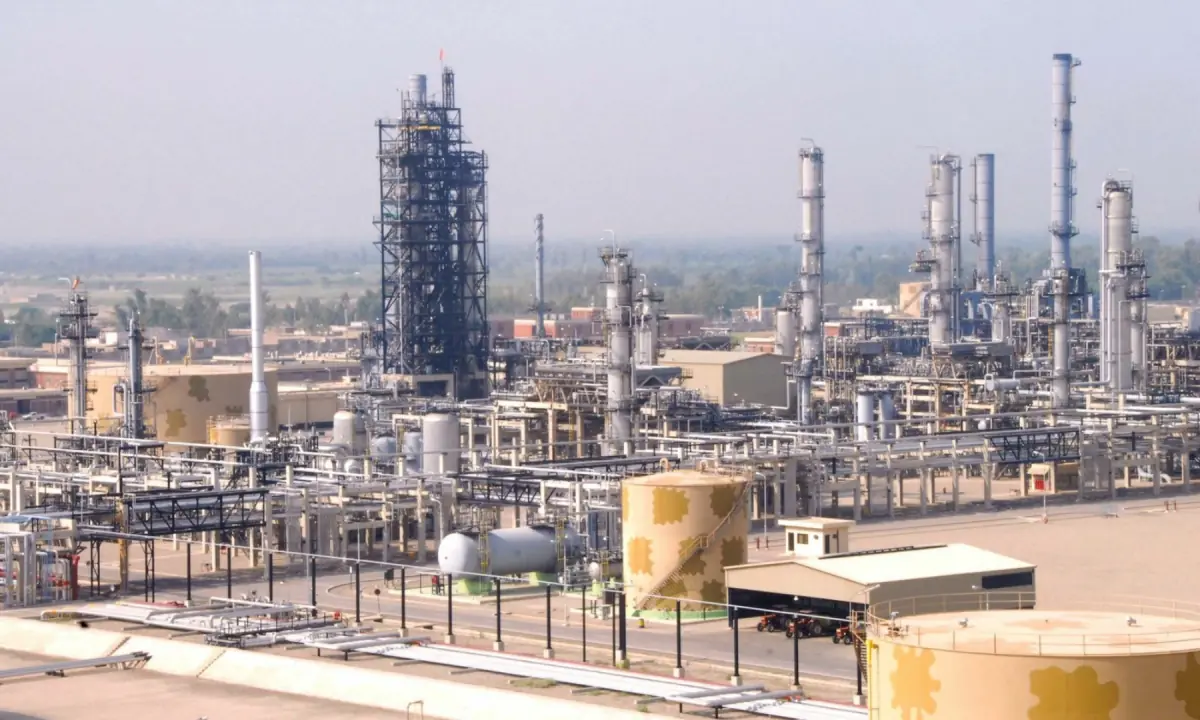
Pakistan Approves $6bn Brownfield Refining Policy to Modernize Oil Refineries
The Pakistani government approved the Brownfield Refining Policy, marking a critical turning point for the nation’s energy sector after a six-year deadlock. Endorsed by the Cabinet Committee on Energy under Prime Minister Shehbaz Sharif, the $6bn regulatory framework mandates that five existing oil refineries upgrade their operations to produce Euro-V compliant fuels, slash furnace oil output, and secure long-term financial viability through tax incentives and customs duty protections.
Untangling the Fiscal Mechanics of the $6bn Upgrade
The revamped policy replaces all previous legislative frameworks, introducing a structured fiscal regime to help refineries shoulder capital expenditure. Under the updated terms, a minimum customs and regulatory duty of 10 percent applies to imported motor gasoline and diesel for seven years following notification. Any duty charged above this 10 percent threshold feeds directly into the Inland Freight Equalisation Margin pool. Refineries also receive a 10 percent tariff protection, or deemed duty, on the ex-refinery prices of motor gasoline and high-speed diesel for seven years, provided they execute a binding Upgrade Agreement with the Oil and Gas Regulatory Authority within 90 days.
Execution requires strict adherence to milestone timelines. Participating entities must deposit incremental incentives—specifically 2.5 percent of the deemed duty on diesel and 10 percent on motor gasoline—into a joint escrow account managed alongside Ogra at the National Bank of Pakistan. These funds remain strictly ring-fenced for capital and revenue expenditures tied directly to the Upgrade Project.
| Petroleum Product | Current Daily Production | Projected Daily Production | Percentage Shift |
|---|---|---|---|
| Motor Spirit (Petrol) | 10,700 Tonnes | 18,400 Tonnes | +72pc |
| High-Speed Diesel (HSD) | 21,240 Tonnes | 29,520 Tonnes | +39pc |
| Furnace Oil | 15,417 Tonnes | 5,714 Tonnes | -63pc |
| Sulphur Specification Limit | Up to 150-350 ppm | 10 ppm (Euro-V) | Clean Fuel Transition |
Product yields will transform dramatically once modernization concludes. Total petrol output will increase to 18,400 tonnes per day, while high-speed diesel climbs to 29,520 tonnes daily. Conversely, outdated furnace oil production drops to 5,714 tonnes per day. Meeting these stringent Euro-V specifications means sulfur content in gasoline and diesel drops to a maximum of 10 parts per million. In 2020, Pakistan State Oil pioneered this standard locally, noting that ultra-low sulfur levels drastically curb vehicular benzene and sulfur emissions.
Managing Supply Chains and Policy Stability Guarantees
Supply chain reliability forms the backbone of the new directive. Refineries must maintain an on-site crude oil inventory equal to 14 days of nameplate capacity, alongside an extra five days of cover at sea for entities relying on imported crude. Binding sales and purchase agreements between refineries and oil-marketing companies licensed by Ogra will govern domestic distribution. Any surplus product remaining after domestic obligations are met can be exported, subject to Ogra’s authorization.
To insulate investors from regulatory volatility, the framework incorporates a fixed stabilization regime. This safeguards operators against adverse legal or environmental modifications, political force majeure, and sudden tax shifts. Refineries may also open onshore foreign currency accounts fed by export proceeds—including furnace oil sales—to service foreign debt obligations tied to their upgrade loans.
Failure to meet upgrade milestones triggers swift penalties. Ogra retains the unilateral right to withdraw funds from joint escrow accounts if a refinery defaults on its commitments or falls behind on government dues like the petroleum and climate support levy. Disagreements will head to an Islamabad-based arbitration tribunal, while an administrative difficulties committee consisting of the petroleum, finance, and law secretaries handles day-to-day implementation hurdles. As the 90-day window for executing upgrade agreements ticks down, institutional investors and refiners must align their capital expenditure strategies carefully before the fiscal landscape shifts again.