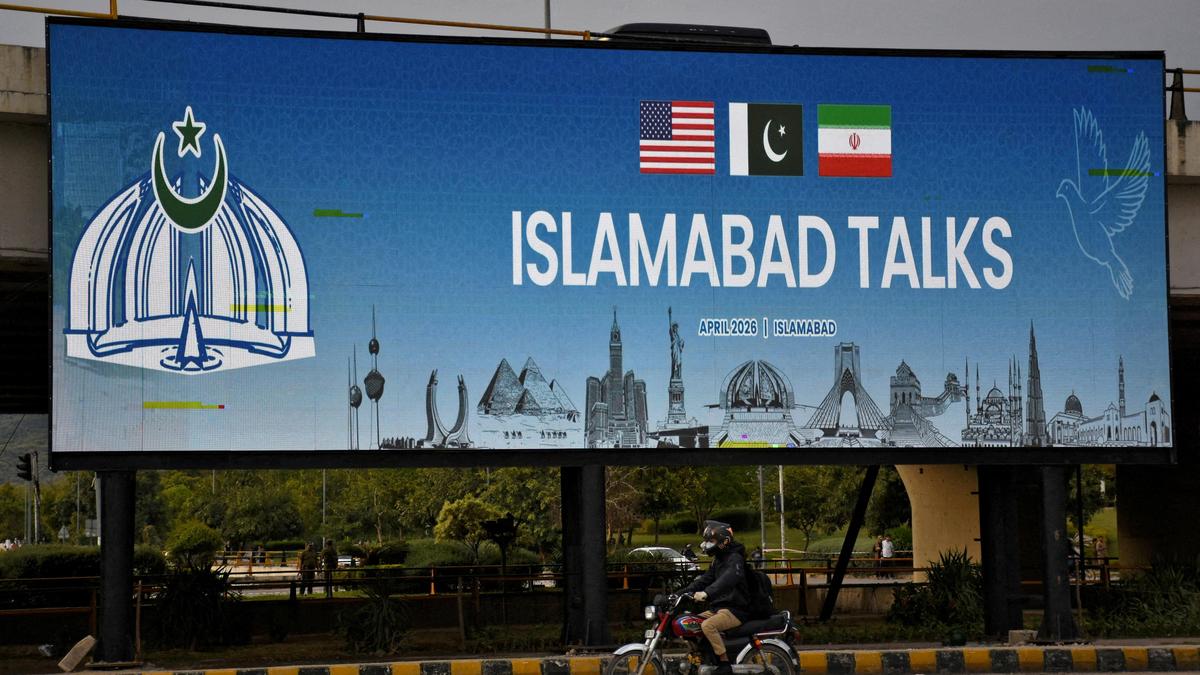
Pakistan and Indonesia Support US-Iran Talks
As Pakistan intensifies diplomatic preparations for a new round of U.S.-Iran negotiations, regional stability hinges on whether Islamabad can leverage its unique position to prevent escalation even as addressing domestic economic pressures exacerbated by prolonged regional tension.
The Hindu reported on April 16, 2026, that Pakistani officials confirmed active behind-the-scenes preparations for resumed talks between Washington and Tehran, signaling Islamabad’s intent to play a facilitative role amid rising fears of miscalculation in the Gulf. This development comes as Iran’s uranium enrichment nears weapons-grade thresholds, and U.S. Sanctions continue to strangle Tehran’s economy, creating a volatile backdrop where missteps could trigger broader conflict. Pakistan’s involvement is not merely symbolic. its 900-kilometer border with Iran, deep tribal ties across Balochistan, and historical role as a backchannel communicator during past crises give it tangible influence.
Why Pakistan’s Role Matters Now More Than Ever
Pakistan’s strategic calculus is driven by immediate security concerns and long-term economic survival. A direct U.S.-Iran confrontation would likely disrupt trade through the Strait of Hormuz, where nearly 20% of global oil passes, triggering energy price shocks that would hit Pakistan’s import-dependent economy hard. Islamabad relies on imported petroleum for over 30% of its energy needs, and any spike in global prices would worsen its current account deficit, already strained by declining textile exports and remittance volatility. Instability in Iran could reignite cross-border militant activity in Pakistan’s Balochistan province, where groups like Jaish al-Adl have historically exploited porous borders to launch attacks.
Historically, Pakistan has served as an uneasy intermediary. During the 2019 U.S.-Iran tensions following the downing of a drone over the Strait, Islamabad facilitated backchannel messages through its embassy in Tehran. More recently, in early 2026, Pakistani intelligence shared assessed Iranian military movements with U.S. Central Command to prevent accidental escalation—a quiet but critical function rarely acknowledged publicly. These efforts occur despite Islamabad’s own strained relations with Washington over drone strikes and Afghanistan policy, proving that pragmatic diplomacy can persist even amid bilateral friction.
“Pakistan doesn’t seek to mediate for prestige—it acts given that its national security is directly exposed to any flare-up. When the Gulf burns, Balochistan feels the heat first.”
The Domestic Fallout: How Local Economies Sense the Ripple Effect
While diplomats focus on Geneva or Oman, the real test of this diplomatic effort lies in Pakistan’s interior. In Quetta, the capital of Balochistan, cross-border trade with Iran accounts for an estimated 40% of local commerce, ranging from fuel smuggling to legitimate agricultural exports. Increased Iranian economic distress has already reduced formal trade volumes by 25% since late 2025, pushing more activity into informal channels that evade taxation and regulation. This shift deprives provincial authorities of revenue needed for infrastructure projects, exacerbating Quetta’s chronic water shortages and power outages—issues that fuel public discontent and recruitment by separatist groups.
Meanwhile, in Karachi, Pakistan’s financial hub, currency markets react sharply to any hint of Gulf instability. The Pakistani rupee lost 1.8% against the dollar in March 2026 following rumors of an imminent U.S.-Israel strike on Iranian nuclear sites, increasing the cost of imported wheat and medicine. Small importers in Karachi’s Empress Market report difficulty securing letters of credit as banks tighten exposure to regionally risky trade. These micro-level pressures aggregate into macroeconomic drag, forcing the State Bank of Pakistan to maintain high interest rates that stifle industrial growth.
“We’re not waiting for diplomats to solve this. If formal trade channels collapse further, our merchants will find ways—but the state loses control, revenue, and oversight. Preventing that collapse isn’t foreign policy; it’s economic survival.”
Connecting the Dots: Who Steps In When Diplomacy Falters?
When state-level diplomacy faces limits—as it often does in protracted distrust scenarios—local institutions become the first line of resilience. Communities affected by border volatility need more than promises; they need actionable support to stabilize livelihoods and maintain trust in governance. This is where specialized local services prove indispensable.
For regions like Balochistan facing trade disruption and smuggling pressures, verified border security consultants can facilitate design community-based monitoring systems that reduce illicit flows without alienating populations reliant on informal trade. In urban centers like Karachi, where currency volatility impacts small businesses, currency risk management advisors offer hedging strategies tailored to importers navigating sanction-linked uncertainty. And when economic strain fuels social tensions, local conflict resolution centers provide neutral spaces to address grievances before they escalate into violence—particularly vital in ethnically mixed districts near the Iranian border.
These aren’t abstract solutions; they’re operational necessities. As Islamabad weighs its diplomatic moves, the effectiveness of its foreign policy will ultimately be measured not just in press releases from Geneva, but in whether a merchant in Quetta can still send goods across the border without fear, or whether a factory owner in Lahore can plan production knowing energy prices won’t spike overnight.
The true test of Pakistan’s role in the next U.S.-Iran talks won’t be measured in joint statements or photo ops. It will be seen in the quiet persistence of cross-border trade at dawn, the absence of emergency power cuts in Balochistani towns, and the steady flow of remittances from Gulf workers sustaining families back home. Diplomacy sets the stage—but it’s the local baker, the textile trader, and the microfinance officer who retain the economy breathing when tensions rise. For those seeking to strengthen resilience in uncertain times, the Verified Pakistan Services Directory connects communities with the vetted professionals who turn policy into practice on the ground.