
Pakistan and Afghanistan Exchange Fire Amidst Rising Border Tensions
Recent days have seen a notable escalation of tensions between Pakistan and Afghanistan, culminating in heavy clashes and accusations of sovereignty violations. According to a Pakistani government official who spoke with the Guardian,Pakistani forces responded to “aggression from the Afghan Taliban” with “heavy fire,effectively targeting several Afghan border posts.” The Pakistani army utilized artillery, tanks, and a range of weaponry in these counterattacks.
The exchange of fire follows explosions reported in Kabul and southeastern Afghanistan on Thursday, wich the Taliban-run defense ministry attributed to Pakistani actions, claiming a “violation of its sovereignty.”
Islamabad has expressed increasing frustration with kabul, particularly regarding the presence of the Tehreek-e-Taliban pakistan (TTP) within Afghanistan. Pakistan accuses the TTP of responsibility for the deaths of hundreds of Pakistani soldiers since 2021 and believes the group receives combat training and shares ideological ties with the Afghan Taliban. While not explicitly confirming involvement in the recent strikes, Islamabad has urged Kabul to prevent its territory from being used for terrorist activities against Pakistan.
Analysts highlight the precarious nature of the situation.Michael Kugelman, a South Asia analyst based in Washington DC, described a “perfect storm for trouble” fueled by intensifying cross-border attacks, strong Pakistani responses, Taliban retaliations, Afghanistan’s non-recognition of the Durand Line border, and the spread of disinformation.
Despite the severity of the crisis, Kugelman suggests a potential for de-escalation, noting the Taliban’s limited capacity for a direct confrontation with the Pakistani military. He anticipates that once retaliatory actions satisfy public sentiment, the conflict may subside.
Lt Gen Ahmed Sharif Chaudhry, the Pakistani military spokesperson, affirmed the military’s commitment to protecting Pakistani citizens, stating they “are doing, and will continue to do, whatever is necessary,” and reiterated the call for Afghanistan to prevent its territory from being used for terrorism.
security analyst Imtiaz Gul characterized the recent events as a “logical conclusion” of escalating tensions, stemming from Pakistani kinetic attacks on TTP hideouts and the Afghan regime’s perceived inaction against the group. Relations between the two countries have been strained for months due to these accusations.
Kugelman cautions that Pakistan’s strikes risk galvanizing the TTP to launch retaliatory attacks, potentially triggering further Pakistani operations in Afghanistan and perpetuating a dangerous cycle. He emphasizes that there are “no winners or easy long-term solutions” and that even de-escalation would not signify a resolution to the underlying issues.
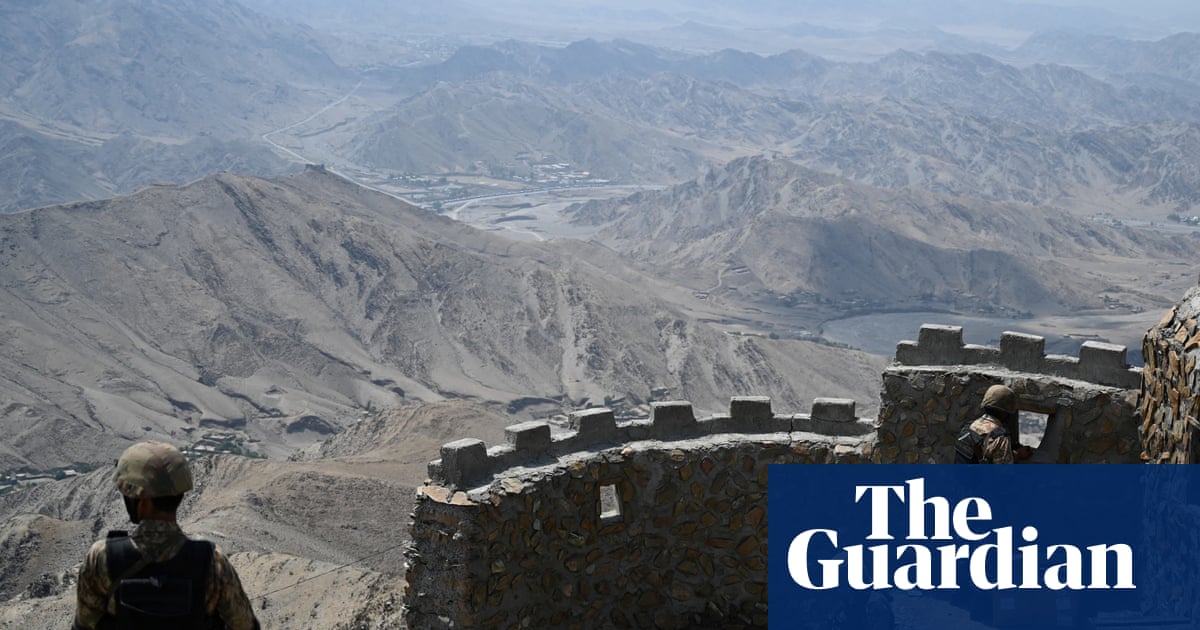
The conflict unfolds along the nearly 2,600km (1,600 miles) Durand Line, a rugged and mountainous border. Gul believes Pakistan’s patience had reached its limit, leading to direct action against TTP leaders, which the Taliban now frames as a retaliatory response.
