
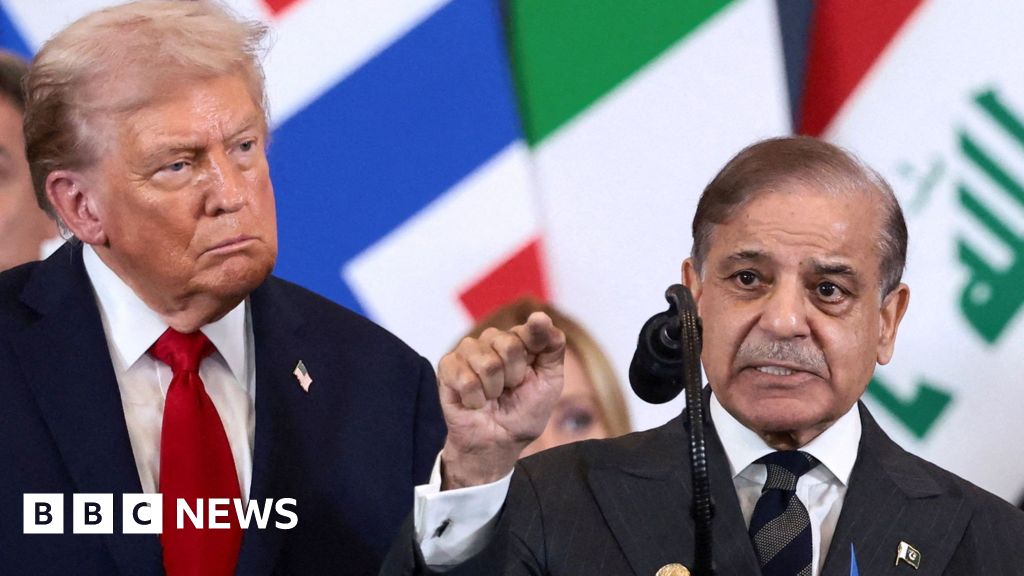
Pakistan Acts as Peacemaker Between US and Iran
Pakistan is currently mediating a high-stakes diplomatic corridor between the United States and Iran, urging President Donald Trump to extend a critical deadline by two weeks and calling on Tehran to reopen the Strait of Hormuz to stabilize global energy markets and prevent an imminent regional escalation.
The tension is palpable. We aren’t just talking about a few days on a calendar; we are talking about the thin line between a fragile ceasefire and a systemic collapse of trade in the Persian Gulf. As of April 7, 2026, the world is watching to observe if Pakistan’s “peacemaker” gambit can actually hold the two superpowers in check.
The problem is a classic geopolitical deadlock. The U.S. Is leveraging deadlines to force concessions, while Iran is using the Strait of Hormuz—the world’s most important oil chokepoint—as its primary strategic lever. When these two forces collide, the collateral damage isn’t just political; it’s economic. Shipping insurance premiums skyrocket, fuel prices surge, and global supply chains fracture.
The Strait of Hormuz: A Global Economic Arterial
To understand why Pakistan’s request is so urgent, one must understand the geography of the crisis. The Strait of Hormuz is a narrow waterway connecting the Persian Gulf with the Gulf of Oman. Roughly one-fifth of the world’s total oil consumption passes through this corridor. Any closure or perceived threat of closure triggers an immediate shock to the International Monetary Fund’s global stability projections.

Pakistan’s role here is an unexpected pivot. Historically a close ally of the U.S. With a complex, often strained relationship with Iran, Islamabad is now positioning itself as the only neutral party capable of speaking both languages. By asking for a two-week extension, Pakistan is essentially buying “diplomatic oxygen”—time for negotiators to find a face-saving exit for both Trump and the Iranian leadership.
“The current volatility in the Gulf is not merely a bilateral dispute; We see a systemic risk to the energy security of every developing nation in Asia. Without a coordinated pause, we are looking at a price shock that no emerging economy can absorb.”
This isn’t just about oil. It’s about the legality of maritime transit. Under the United Nations Convention on the Law of the Sea (UNCLOS), the right of transit passage is paramount. However, when geopolitical deadlines are used as weapons, international law often takes a backseat to raw power dynamics.
The “Trump Factor” and the Deadline Dilemma
President Trump’s approach to diplomacy has always been characterized by “maximum pressure” followed by a sudden opening for a deal. The current deadline is the “pressure” phase. Pakistan knows that if the deadline expires without a breakthrough, the U.S. May pivot toward more aggressive sanctions or kinetic military options.
For businesses and investors, this uncertainty is a nightmare. Companies operating in the Gulf are currently scrambling to hedge their risks. Many are turning to international trade attorneys to rewrite force majeure clauses in their shipping contracts, ensuring they aren’t held liable for delays caused by a sudden closure of the Strait.
The risk is localized but the impact is global. In cities like Dubai, Muscat, and Doha, the mood is one of cautious anxiety. Local port authorities are seeing a surge in “dark fleet” activity—ships turning off their transponders to avoid detection or sanctions—which increases the risk of maritime accidents and environmental disasters.
Analyzing the Strategic Timeline
| Phase | Action Requested | Objective | Primary Risk |
|---|---|---|---|
| Immediate | 2-Week Extension (US) | Prevent immediate sanctions/escalation | Perception of U.S. Weakness |
| Concurrent | Reopen Hormuz (Iran) | Restore global oil flow/lower prices | Loss of Iran’s primary leverage |
| Mid-Term | Pakistan-led Mediation | Formalize a regional security framework | Collapse of trust between parties |
The timing is critical. We are seeing a convergence of interests where Pakistan needs stability to protect its own fragile economy, and the U.S. Needs a win that doesn’t involve a full-scale war. Iran, meanwhile, is balancing its internal economic pressures against its desire for regional dominance.
The Ripple Effect: From Geopolitics to Local Infrastructure
When the Strait of Hormuz is threatened, the impact isn’t just felt in the halls of the UN. It hits the docks of Karachi and the refineries of the Gulf Coast. The volatility creates a “risk premium” that trickles down to every consumer. For logistics firms, this means a sudden need for diversified routing, which often requires navigating the complex bureaucracy of alternative ports.
As shipping routes shift, there is an increased demand for specialized freight forwarding agents who can navigate the legal hurdles of diverted cargo. The administrative burden of shifting a fleet from the Persian Gulf to the Red Sea or around the Cape of Quality Hope involves a mountain of paperwork and customs clearances that can paralyze a medium-sized business.
“We are seeing a fundamental shift in how maritime insurance is priced. The ‘war risk’ premium is no longer a niche concern; it is now a baseline cost for any entity operating in the Middle East.” — Marcus Thorne, Maritime Risk Consultant.
the regional instability affects municipal infrastructure. In the UAE and Qatar, large-scale construction projects reliant on imported raw materials are facing delays. This has led to a surge in requests for strategic risk management consultants to help firms pivot their supply chains toward more stable, albeit more expensive, corridors.
The Path Forward: Fragile Peace or Calculated Pause?
Is Pakistan’s proposal a genuine path to peace, or simply a stay of execution? History suggests the latter. However, in the world of high-stakes diplomacy, a two-week delay can be the difference between a signed treaty and a naval skirmish. The “good news” hinted at by regional sources suggests that there may be a secret channel open, one where the U.S. Agrees to ease certain sanctions in exchange for a guaranteed flow of oil.
The long-term impact of this event will be the legitimization of Pakistan as a regional power broker. If Islamabad successfully navigates this crisis, it shifts the balance of power in South Asia, moving away from a purely binary U.S.-China or U.S.-India dynamic.
For the global business community, the lesson is clear: stability is a luxury. Whether you are a multinational corporation or a local importer, the ability to pivot quickly is the only real insurance policy. The volatility of the Hormuz Strait proves that a single political decision in Washington or Tehran can instantly invalidate a year’s worth of financial planning.
As this situation evolves, the need for verified, expert guidance becomes paramount. Whether you are seeking to shield your assets from geopolitical volatility or need to navigate the complex legal landscape of international trade, the right expertise is the only hedge against uncertainty. The World Today News Directory remains the definitive resource for connecting global citizens with the verified legal and financial professionals equipped to handle the fallout of a shifting world order.