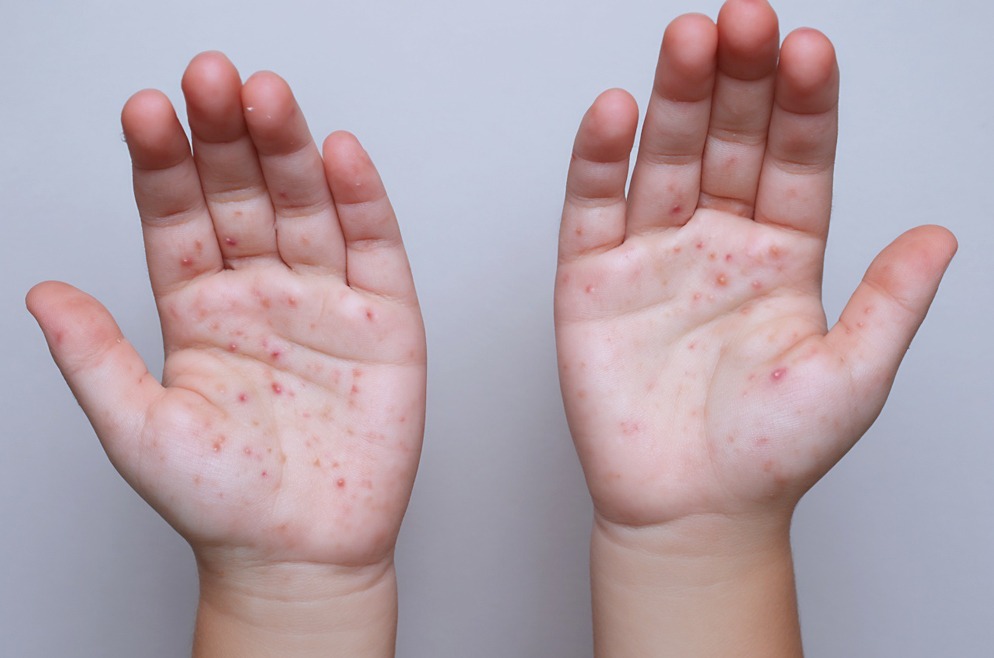
PAHO Warns of High Measles Risk in the Americas Amid Mass Events
Amid upcoming religious events drawing large crowds across South America, the Pan American Health Organization (PAHO) issued an updated regional risk evaluation urging member nations to strengthen measles vaccination, surveillance, and rapid response measures due to a sustained high risk of international and domestic spread.
The warning arrives as health authorities track 55,792 confirmed measles cases and 77 deaths across 17 countries and territories in the Americas between January 4 and October 3, 2026, marking a 4.8-fold increase compared to the same period in 2025.
-
Key Clinical Takeaways:
- Guatemala, Mexico, the United States, Peru, and Canada accounted for 99.5 percent of all confirmed measles cases in the Americas through early October 2026.
- Regional vaccination coverage reached 88 percent for the first dose of the measles, rubella, and mumps (SRP) vaccine and 85 percent for the second dose in 2025, falling short of the 95 percent threshold required to prevent community outbreaks.
- PAHO advises that individuals aged 6 months or older without vaccination evidence should receive a measles and rubella dose at least two weeks before traveling to or attending a mass gathering.
Guatemala and Mexico Record Highest Regional Case Numbers
Guatemala has recorded the highest number of cases in the region, closely followed by Mexico, the United States, Peru, and Canada. Additional cases have been confirmed in Argentina, Belize, Bolivia, Bonaire, Brazil, Chile, Colombia, Costa Rica, El Salvador, Honduras, Panama, and Uruguay.
Global resurgences of measles throughout 2026 have amplified the likelihood of imported cases linked to international travel, which subsequently trigger local transmission chains in under-immunized pockets. PAHO Director Dr. Jarbas Barbosa stated in an agency release that the region is witnessing the direct consequences of persistent immunity gaps.
El sarampión es altamente contagioso y estamos viendo las consecuencias de las brechas en la cobertura de vacunación en las Américas,
said Dr. Barbosa, noting that families must protect children with the measles, rubella, and mumps vaccine while countries close immunity gaps and strengthen epidemiological surveillance.
Mass Gatherings and Viral Transmission Dynamics
Health officials emphasize that the impending religious gatherings in South America introduce significant public health vulnerabilities. Because measles is exceptionally contagious, the virus spreads rapidly upon entering populations with suboptimal immunity, particularly in dense crowds.
Infected individuals can transmit the virus before the characteristic maculopapular rash appears, meaning travelers often expose others unknowingly. Dr. Daniel Salas, executive manager of PAHO’s Special Immunization Program, noted that internal travel within countries also poses exposure risks during large assemblies.
Incluso quienes viajan dentro de su propio país pueden estar expuestos cuando se reúnen grandes cantidades de personas procedentes de distintas zonas,
Dr. Salas stated, recommending that unprotected individuals receive a vaccine dose at least two weeks prior to travel.
Low Vaccination Rates Fall Below Herd Immunity Threshold
The underlying driver of the current epidemiological surge remains insufficient population-level immunity. Regional coverage rates for 2025 stalled at 88 percent for the first SRP dose and 85 percent for the second dose, well below the 95 percent herd immunity threshold.
PAHO attributes these persistent shortfalls to accumulated immunisation delays from the COVID-19 pandemic, localized vaccine hesitancy, operational hurdles, and structural barriers to healthcare access. Indigenous populations, migrants, and displaced communities have been disproportionately affected. An estimated 1.6 million children across the Americas missed receiving any doses of the measles vaccine during 2025.
PAHO Collaborates with Ministries to Reinforce Surveillance
In response to the active outbreaks, PAHO is actively collaborating with national health ministries to reinforce laboratory surveillance, genomic monitoring, and contact tracing.
Because infants, young children under five, and individuals facing malnutrition or compromised access to care face heightened risks of severe clinical complications and mortality, health authorities are pressing nations to utilize every clinical encounter to verify and update vaccination statuses.