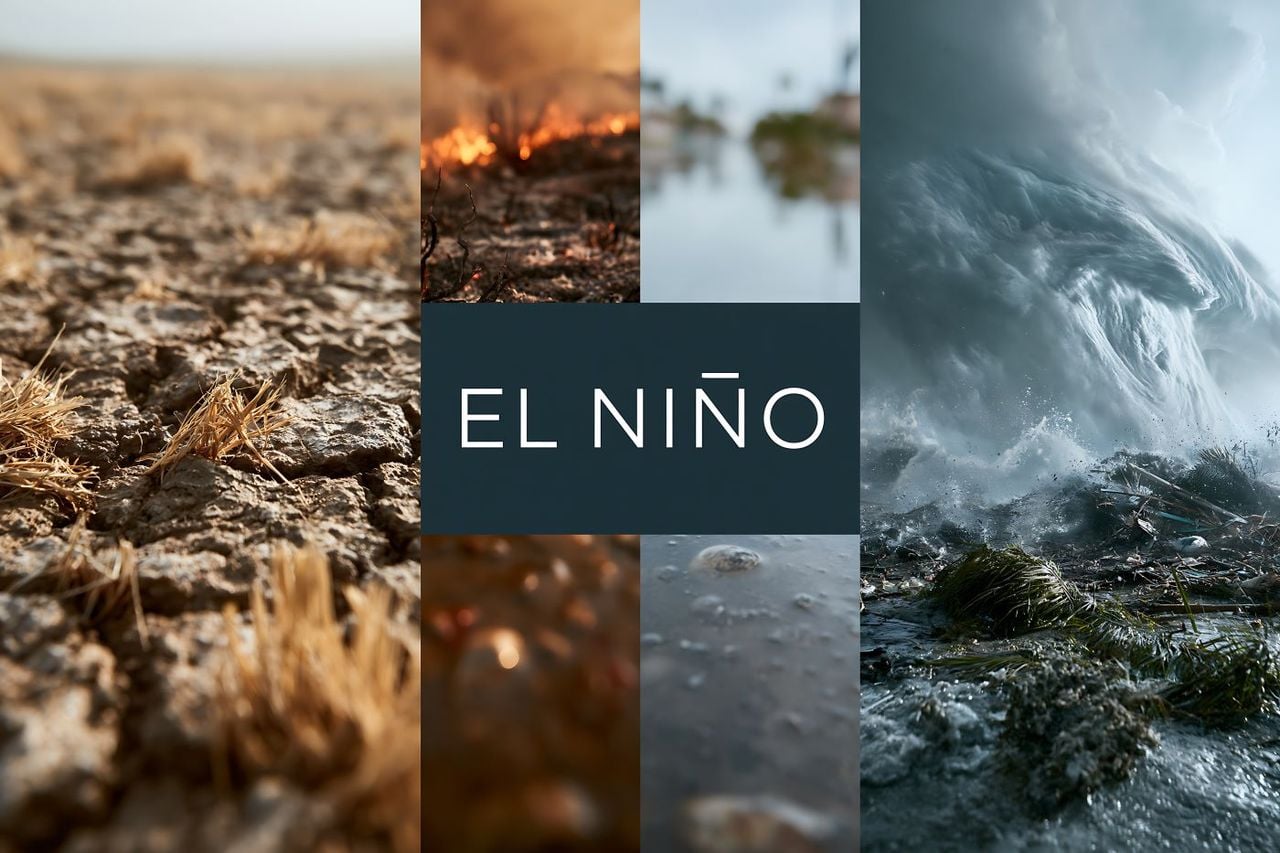
PAHO Warns of El Niño’s Impact on Public Health in the Americas
The Pan American Health Organization (PAHO) has issued a formal epidemiological alert regarding the intensification of the El Niño-Southern Oscillation (ENSO) phenomenon, warning of a significant surge in climate-sensitive infectious diseases across the Americas. As rising sea surface temperatures alter precipitation patterns and ambient humidity, health ministries face an increased burden of vector-borne, water-borne, and respiratory pathologies, necessitating immediate modifications to regional public health surveillance and clinical response protocols.
Key Clinical Takeaways:
- El Niño-driven temperature anomalies directly correlate with an expanded ecological niche for Aedes aegypti, increasing the transmission potential for dengue, Zika, and chikungunya.
- Extreme weather events and flooding disrupt essential potable water infrastructure, heightening the statistical probability of cholera and other enteric pathogen outbreaks.
- Healthcare systems must transition to proactive, data-driven surveillance to mitigate the morbidity associated with climate-linked respiratory distress and heat-related physiological exhaustion.
Epidemiological Shifts and Vector Competence
The pathogenesis of climate-sensitive diseases is fundamentally linked to the thermal regulation of vectors. According to data disseminated by the Pan American Health Organization, the current ENSO cycle creates hyper-favorable conditions for the proliferation of Aedes aegypti. Higher ambient temperatures accelerate the extrinsic incubation period of the dengue virus within the mosquito, effectively shortening the time required for the vector to become infectious after a blood meal.
Clinicians in endemic zones should expect a shift in the traditional seasonality of these infections. As the ecological footprint of these vectors expands into higher altitudes and latitudes previously considered inhospitable, the clinical index of suspicion must broaden. For patients presenting with acute febrile illness, clinicians are urged to utilize standardized diagnostic protocols to differentiate between viral etiologies, as misdiagnosis can lead to suboptimal supportive care and increased mortality. Patients requiring specialized infectious disease evaluation may access support through vetted infectious disease specialists.
Water-Borne Pathogens and Infrastructure Vulnerability
The threat extends beyond vector-borne risks to include significant disruptions in environmental health. Intense precipitation events associated with El Niño often overwhelm municipal water treatment and sanitation systems. Per the latest reports from the World Health Organization, the compromise of water infrastructure is a primary driver for the resurgence of water-borne pathogens, including Vibrio cholerae and various diarrheal agents.
The clinical impact is most pronounced in vulnerable populations with limited access to protected water sources. Medical facilities are advised to reinforce their triage capabilities for acute gastrointestinal distress. It is critical that healthcare providers maintain a high level of vigilance for dehydration and electrolyte imbalances, which remain the primary causes of morbidity in pediatric and geriatric cohorts. Diagnostic centers equipped to handle rapid pathogen identification are essential; information on local resources can be found by consulting accredited diagnostic laboratories.
Clinical Preparedness and Regulatory Compliance
Addressing the public health trajectory of El Niño requires more than reactive clinical care; it demands a robust, systemic shift in healthcare administration. As supply chains for rehydration salts, antipyretics, and diagnostic kits become increasingly strained by localized outbreaks, healthcare providers must conduct proactive inventory audits.
“The intersection of climate instability and public health requires an agile, evidence-based response that anticipates resource demand before the morbidity curve peaks,” notes Dr. Elena Rodriguez, a consultant in climate-sensitive epidemiology (independent of the PAHO report). The integration of meteorological data into public health decision-making is no longer optional but a standard of care for regional health authorities. For organizations navigating the complexities of medical supply chain management and health policy, consulting with healthcare compliance experts is strongly recommended to ensure operational continuity during periods of heightened environmental stress.
Future Trajectory of Climate-Linked Healthcare
The data suggests that the correlation between ENSO events and disease outbreaks is intensifying, likely due to the compounding effects of global warming on the baseline climate. Future research, funded by initiatives such as the National Institutes of Health, continues to focus on predictive modeling that links satellite climate data with real-time electronic health record surveillance. This synthesis of climate science and clinical medicine represents the next frontier in preventive health.
As the region braces for the full impact of the current cycle, the medical community must prioritize the optimization of existing diagnostic and treatment infrastructure. The ability to pivot toward high-risk areas with precision-based interventions will determine the success of mitigation strategies. Clinicians and facility managers are encouraged to stay updated with the latest clinical guidance through validated medical portals and to engage with specialized medical consultants to fortify their response capacity against these emerging environmental threats.
Disclaimer: The information provided in this article is for educational and scientific communication purposes only and does not constitute medical advice. Always consult with a qualified healthcare provider regarding any medical condition, diagnosis, or treatment plan.