
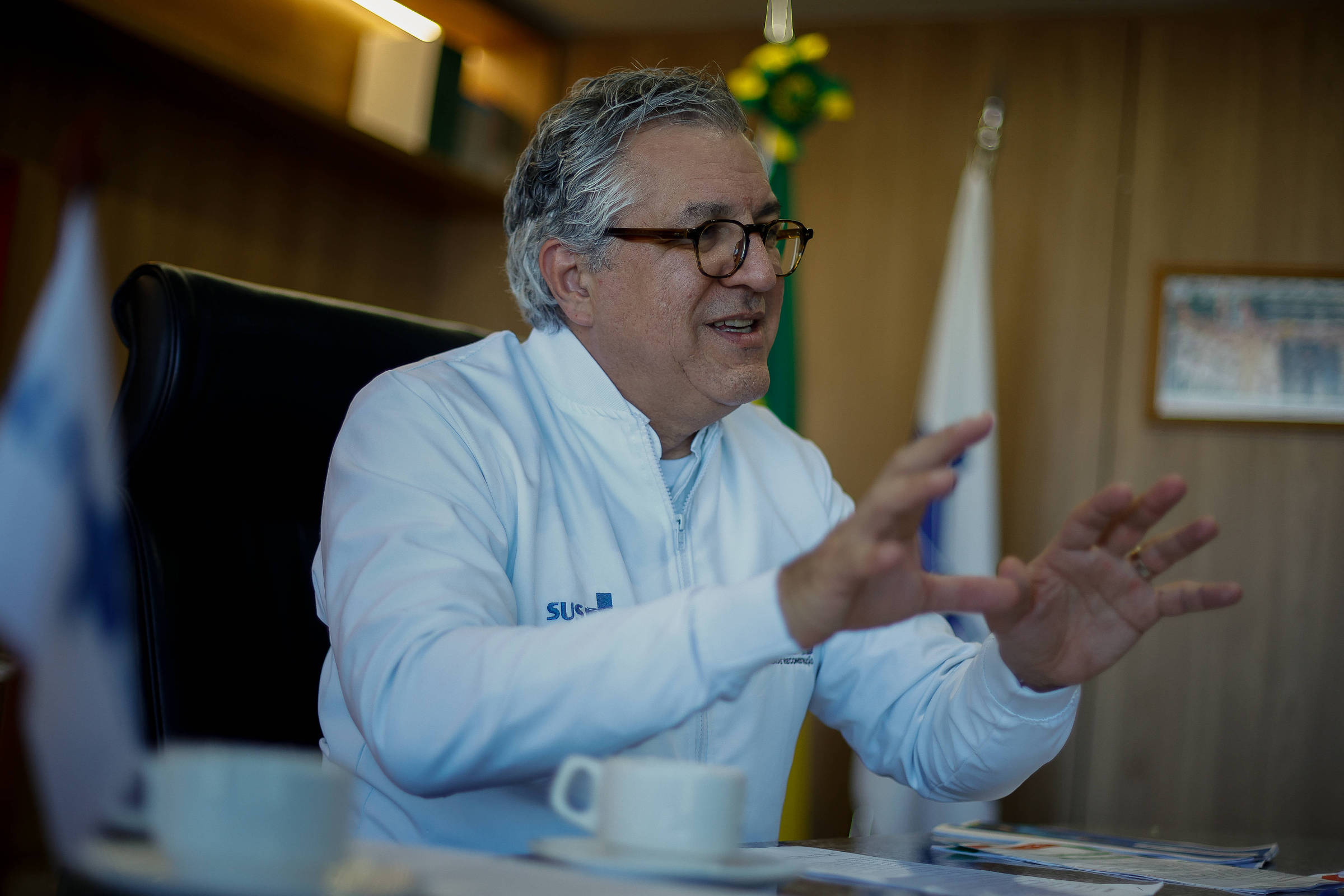
Health Minister Padilha Outlines Post-Pandemic Vision for Brazil’s SUS, Cites Provisional Measure as Key to Reducing wait Times
BRASÍLIA – Brazil’s Health Minister, niels Pinheiro Padilha, affirmed his commitment to rebuilding and modernizing the unified Health System (SUS) during a recent interview, emphasizing a shift towards direct federal intervention in states and municipalities to address critical healthcare access issues. Padilha highlighted a Provisional Measure (MP) as instrumental in this effort, allowing the Ministry to actively collaborate with local governments and even utilize private sector resources to reduce waiting lists and improve transparency.
The Minister’s vision centers on a more proactive role for the federal government, moving away from the conventional model of solely transferring funds to local health departments. This change,Padilha explained,is akin to public-private partnerships commonly used in infrastructure projects. “I was born to see people criticizing public-private partnerships. I have never seen people who criticize when a government partner to build a work that will not be in the budget. For this you can, and to take care of people cannot?” he stated, defending the program against criticisms that it circumvents government spending limits.
The MP, which originated during the management of former Health minister Nisia Trindade, enables direct action to reduce queues and improve service delivery within the SUS. Padilha announced plans for a national queue query panel, aiming to provide patients with real-time updates on waiting times – a long-standing issue of transparency. Currently, 25 of Brazil’s 27 states are already providing data for this initiative, facilitating targeted resource allocation.
Padilha also addressed ongoing challenges, including combating vaccine hesitancy and ensuring equitable access to care. He pledged to remain at the Ministry through the end of President Lula’s administration, focusing on reducing wait times and strengthening public health initiatives. The Public Health Project, supported by the civil association UMANE, underscores the collaborative approach being adopted to achieve these goals. The Minister noted ongoing dialog with parliamentarians to prioritize Ministry guidelines and the National Health Plan, expressing optimism about the advancement of key projects.
