
Pacific Northwest birds Demonstrate Resilience to Climate Change in 30-Year study
A recent study conducted by researchers, including those from Georgia Tech, reveals a surprising level of stability among bird populations in the Pacific northwest despite three decades of increasing temperatures.Published in the journal Ecology, the research compared bird populations across the region using data collected over 30 years, offering a “snapshot” of avian life in the face of climate change.
The study found that while temperatures have risen in the region, most bird populations haven’t declined. In fact, many species have become more abundant at higher elevations. This upward shift in habitat is a clear response to warming temperatures, yet the overall populations remain stable or are even improving.
“It’s encouraging,” says researcher Ben Freeman of Georgia Tech. “Thirty years of warming has led to changes, but generally speaking, these bird populations are mostly stable or improving.”
The fieldwork involved a rigorous effort by Freeman, who navigated challenging terrain – often trails, open forest, and rough ground – on foot, beginning his days as early as four in the morning to reach research areas during the birds’ breeding season, from late May into June. This timing was ideal for surveys due to increased bird vocalizations,despite frequently enough encountering snow even in June.
Researchers believe the resilience of these bird populations may be linked to the presence of old-growth forests - undisturbed sections of forest that provide stability. Freeman suggests conserving large areas of mountain habitat could further support bird populations as they continue to adapt to changing conditions, while also maintaining populations at lower elevations.
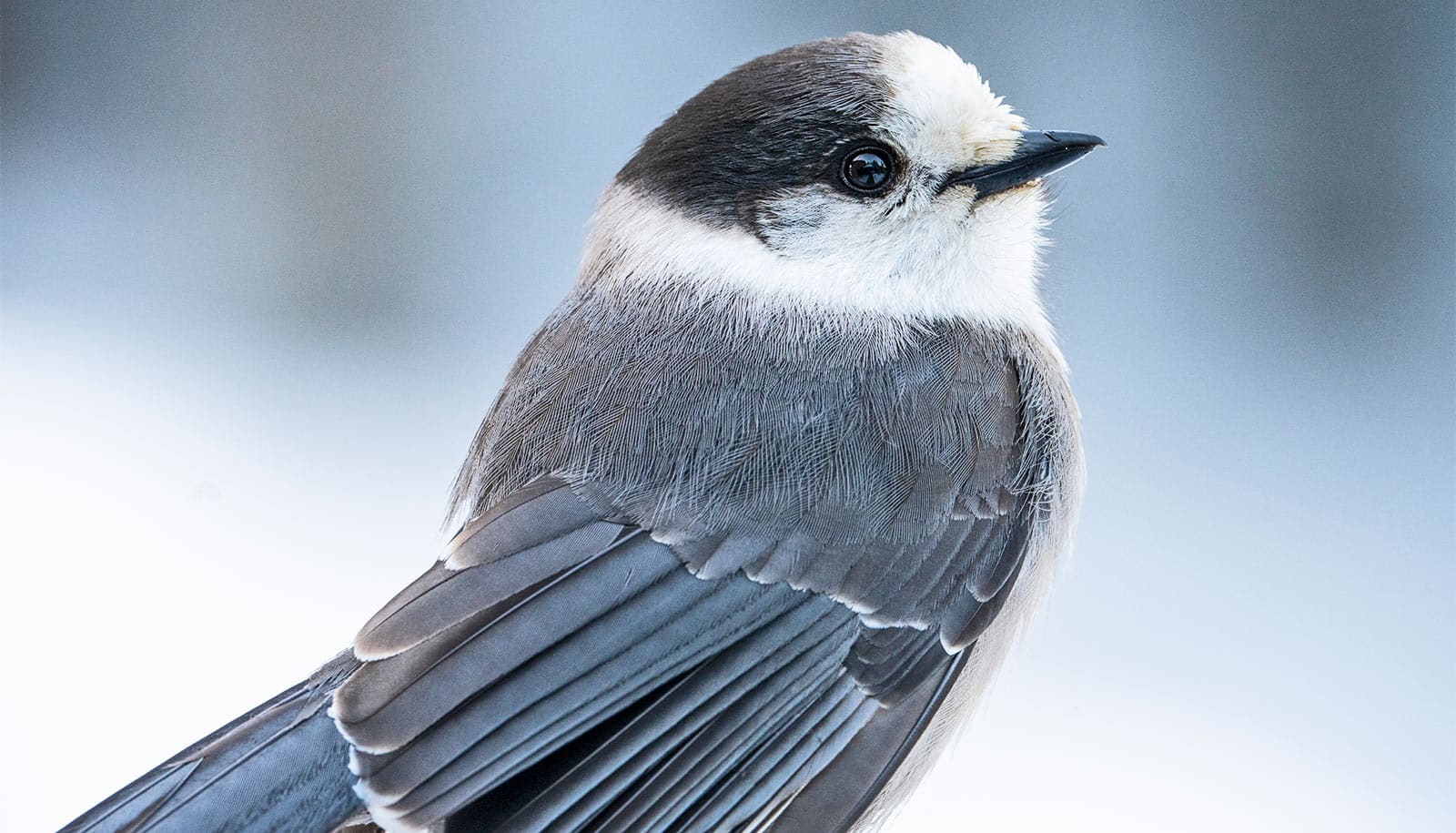
The study also highlighted species requiring additional conservation efforts, such as the Canada Jay, a gray and white bird known for its interactions with hikers.”It is great news that most birds in the region are resilient, and by doing this work, we can focus on the species that do need help, like the Canada Jay, which is struggling in this region,” Freeman explains. “Studies like this help us focus resources and effort.”
Freeman’s research is part of a larger effort to conduct similar “snapshot” studies in diverse environments. He notes a potential pattern emerging: “In the tropics, most bird species are vulnerable, with only a few resilient species. In the Pacific Northwest, we saw the opposite,” suggesting temperate zones may exhibit greater resilience than tropical environments. He is currently conducting research with students in northern Georgia, predicting similar resilience in Appalachian bird populations.
The study was a collaborative effort involving researchers from The Nature Conservancy; the University of British Columbia; the Canadian Wildlife Service; the British Columbia ministry of Water, Lands, and Resource Stewardship; and the British Columbia ministry of Forests, Coast Area Research. Funding for the research was provided by the Packard Foundation.
