
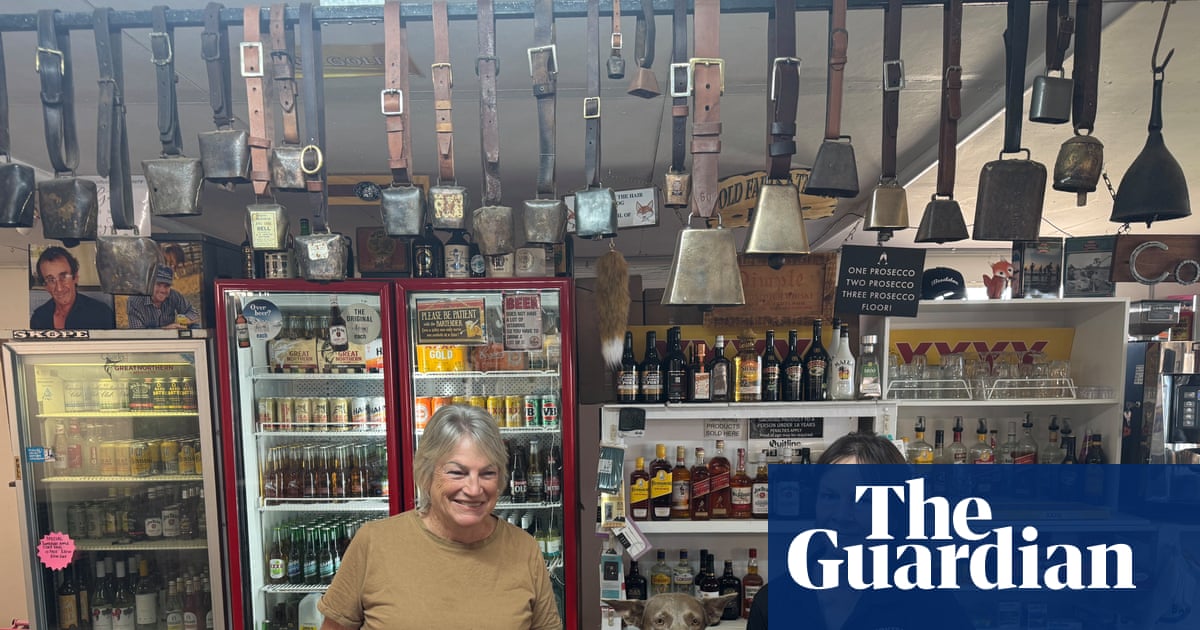
Own a Tiny Queensland Town for $400,000
The tiny Queensland town of Cooladdi, currently home to a population of just two residents, is on the market for $400,000. The sale includes the town’s primary commercial infrastructure—a pub and a post office—offering a niche investment opportunity to acquire the smallest town in Australia and its accompanying roadhouse assets.
This is not a standard real estate play. it is a study in extreme micro-market volatility. For any investor, the primary hurdle is not the acquisition cost, but the operational viability of a commercial hub serving a near-zero organic population. Managing such a remote asset requires a sophisticated approach to overhead and a deep understanding of regional zoning. To mitigate the inherent risks of this transition, buyers will require to engage commercial real estate legal counsel to navigate the specific regulatory requirements of Queensland’s remote business licensing.
The Valuation Paradox of a Two-Person Town
A $400,000 price tag for an entire town suggests a valuation based more on the physical assets of the roadhouse and pub than on projected cash flow. In traditional commercial real estate, valuations are driven by Net Operating Income (NOI) and capitalization rates. Yet, in a destination like Cooladdi, the “town” aspect is a speculative premium. The buyer is not just purchasing a pub; they are purchasing a geographic monopoly.

The risk profile here is binary. Either the location serves as a critical transit node for travelers—maintaining the roadhouse’s relevance—or it remains a stagnant asset with high maintenance costs and negligible local demand. This disparity makes the role of specialized asset management firms critical, as they must determine if the property can be pivoted into a boutique destination or if it remains a liability-heavy holding.
One cannot ignore the fragility of a two-person population. The loss of a single resident represents a 50% drop in the local customer base.
Macro-Analysis: The Three Pillars of Micro-Town Investment
Analyzing the acquisition of Cooladdi through a corporate lens reveals three distinct fiscal pressures that define this type of asset class:
- The Liquidity Trap: Unlike urban commercial properties, a town of two has an incredibly shallow buyer pool. Exit strategies are limited to other novelty seekers or strategic regional developers, meaning the capital is effectively locked until a specific type of buyer emerges.
- Infrastructure Overhead: Maintaining a pub and a post office in a remote Queensland setting involves significant capital expenditure (CapEx). The cost of logistics, supply chain maintenance for the pub, and the regulatory burden of operating a postal agency can quickly erode any margins provided by passing trade.
- The Monopoly Premium: The “smallest town in Australia” label creates a brand equity that transcends the actual revenue of the roadhouse. This allows the seller to price the asset above its pure utilitarian value, betting on the allure of “owning a town.”
The roadhouse serves as the economic engine of the site. Without the transit traffic, the pub and post office are mere ornaments. The ability to capture “drive-by” revenue is the only sustainable path to a positive return on investment (ROI) in this scenario.
Navigating the B2B Operational Burden
Acquiring a town is the uncomplicated part; operating it is where the fiscal friction begins. The transition from ownership to operation involves a complex web of tax implications and payroll management for a remote site. Investors must look beyond the $400,000 entry price and calculate the long-term burn rate of maintaining essential services in the Outback.
Structuring the purchase as a corporate entity rather than a personal holding is a prerequisite for risk mitigation. This is where certified tax strategists become indispensable, ensuring that the depreciation of remote assets is maximized to offset the lean operational years. The goal is to transform a curiosity into a tax-efficient vehicle for capital preservation.
Small-scale ownership often masks large-scale complexity.
The sale of Cooladdi highlights a broader trend in regional asset liquidation, where the value of “uniqueness” is being tested against the reality of remote operational costs. Whether this becomes a successful boutique venture or a cautionary tale in asset overvaluation depends entirely on the buyer’s ability to scale the roadhouse’s utility beyond its two permanent residents. As the market for unconventional assets evolves, the need for vetted professional services grows. To find the expertise required to manage high-risk, high-reward regional acquisitions, the World Today News Directory remains the primary resource for connecting investors with elite B2B partners.