
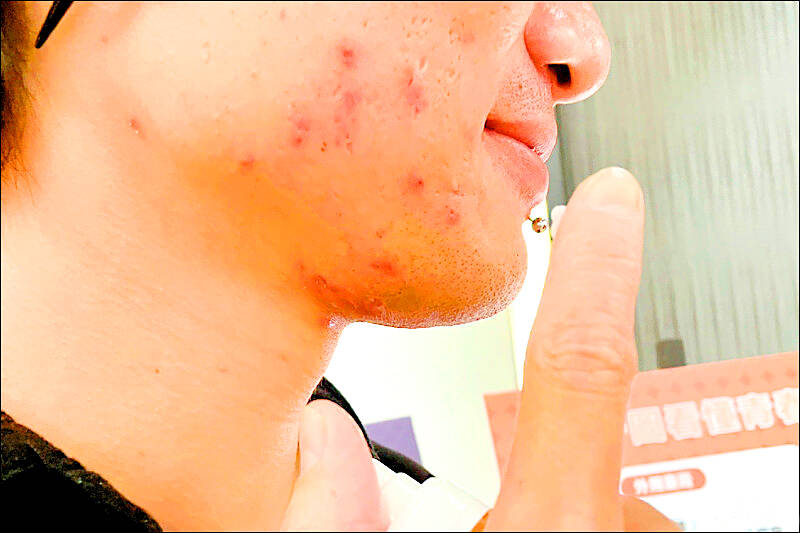
Teen Acne Fuels Widespread Anxiety, Study Reveals
Over 90% of Adolescents Report Distress Affecting Academic Performance
A significant majority of teenagers are battling anxiety stemming from acne, with the condition demonstrably impacting their education. New findings highlight the profound psychological toll of skin blemishes on young individuals.
Anxiety and Self-Perception Linked to Acne
A recent poll conducted by the Taiwan Acne and Rosacea Society indicates that upwards of 90 percent of individuals aged 12 to 17 experience anxiety due to acne. This distress is so severe it interferes with their studies.
The survey, which gathered responses from 1,000 people between the ages of 12 and 25, categorized participants based on their skin condition: those with acne, those with acne scarring, and those without any acne. The findings reveal a stark contrast in self-perception.
Among respondents with acne or acne scarring, 88 percent believe they could improve their appearance. This sentiment is shared by only 46 percent of those with clear skin. The society noted that individuals with acne or scarring are more self-conscious about how they are viewed by society and tend to be more critical of themselves when observing the attractiveness of others.
Academic Impact and Treatment Regrets
The study further detailed the correlation between acne and academic performance. A substantial 71 percent of respondents aged 12 to 17 felt that acne negatively affected their studies and academic results. For those aged 18 to 35, 56 percent reported that their studies and work were hindered by the condition.
Despite the widespread impact, only a small fraction, just 5 percent, sought professional medical help for their acne. A considerable 60 percent expressed regret for not seeking treatment sooner, and 70 percent wished for treatments that could effectively minimize scarring.
Understanding Acne’s Causes and When to Seek Help
Many people wrongly assume acne is solely due to oily skin or poor hygiene. However, medical experts explain that acne is a complex condition.
Dr. **Huang Yu-hui** from Linkou Chang Gung Memorial Hospital’s Department of Dermatology elaborated, stating that acne arises from several factors. These include overactive oil glands, abnormal skin cell shedding, and inflammation triggered by the bacterium Cutibacterium acnes. Effective treatment strategies are tailored to the specific cause.
Dr. **Huang** advised seeking medical attention if acne cannot be managed with regular skincare or if it presents as inflamed, pus-filled, or solid bumps. She also emphasized that early medical consultation for scarring can reduce the risk of persistent discoloration. Factors like increased oil production starting between ages 10 and 12, as well as stress and irregular lifestyles, can exacerbate acne development.
Globally, acne is a prevalent issue. A 2023 study by the University of Michigan found that approximately 85% of people between 12 and 25 years old experience acne at some point, underscoring the widespread nature of this dermatological concern and its potential to affect mental well-being.
