Outlaw Ocean Project finds fishmeal worsens ocean depletion and forced labor
As of 2022, farm-raised seafood accounted for more than half of all seafood eaten worldwide, celebrated as a method to meet growing dietary demands while easing the pressure on collapsing ocean ecosystems. But a sweeping investigation by The Outlaw Ocean Project has revealed that aquaculture’s core practice—relying on “fishmeal” made from wild-caught fish—is worsening ocean depletion, driving forced labor, and sparking violent civil unrest across multiple continents.
The Global Scramble for Wild-Caught Fishmeal
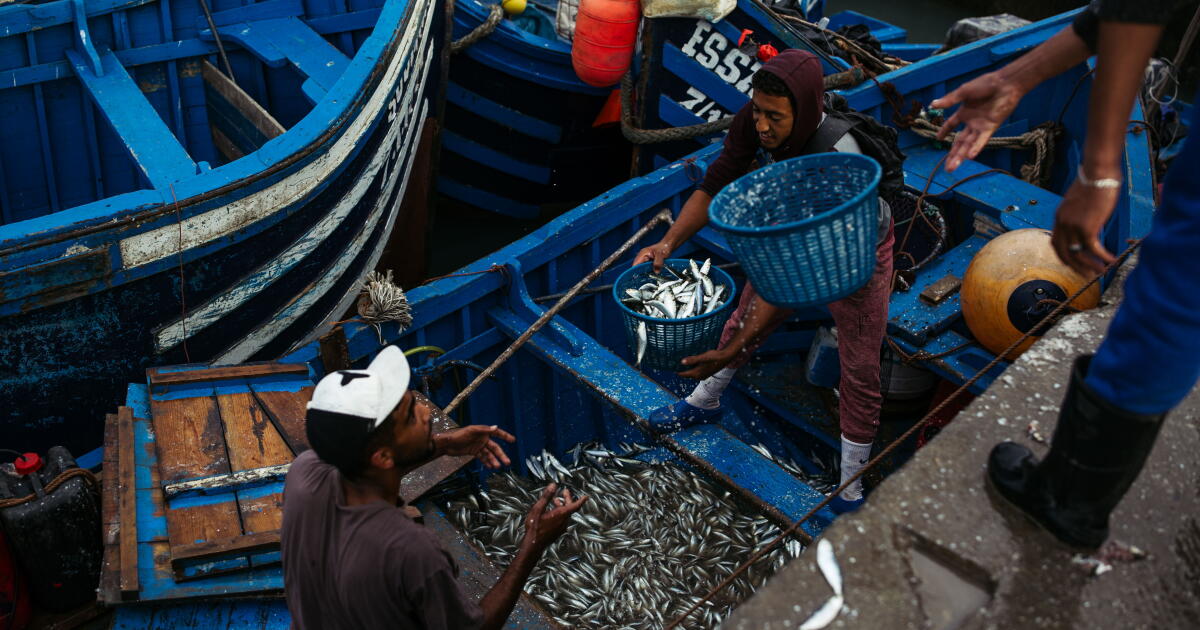
The fundamental paradox of modern aquaculture lies in its feeding habits. Two-thirds of global farmed fish, including high-demand species like salmon, shrimp, trout, seabass, and seabream, consume protein-rich pellets made from wild fish.
Transparency within these fleets remains critically low. Investigators found that less than 30% of the assessed vessels published location information, and fewer than 25% maintained unique vessel identification numbers. Scientific studies classify at least half of the species landed by these vessels as overexploited or worse.
Fish Stock Collapse Drives Migration from Senegal
The reliance on wild fish for feed creates severe local consequences. In Senegal, the collapse of local fish stocks has prompted displaced fishermen to repurpose their boats to ferry migrants toward Spain’s Canary Islands—a perilous 930-mile journey that claimed more than 3,000 lives in 2025. “We’re fishermen, but there’s no fish left here, so we left,” said Cheikhou Omar, a 21-year-old fisherman interviewed on a Senegalese beach after surviving a capsized voyage.
Transnational tensions and civil protests have escalated alongside these environmental strains. The investigation tied the fishmeal industry to at least 80 incidents of civil unrest, including labor strikes and protests against factory stench and water pollution. In Chile during 2024, hundreds of demonstrators blocked coastal highways and railways to protest early fishing season closures driven by overfishing. In 2018, riots erupted in Saint-Louis, Senegal, following the fatal shooting of a local fisher by Mauritanian coast guards during a border dispute involving a fishmeal boat.
Forced Labor Plagues Fishmeal Plants and Aquaculture
Labor abuses plague remote fishmeal plants and aquaculture facilities. In Russia, processing workers have faced captivity in isolated company towns and on offshore ships. Meanwhile, in China, aquaculture is expanding rapidly through Tibet and Xinjiang, regions marked by intense political repression. The U.S. enacted a 2021 law banning goods produced in Xinjiang due to pervasive state-sponsored forced labor, yet the investigation confirmed that farm-raised fish from the region continue to reach international markets.

Projections and Industry Responses Point Toward 2032
Despite public pledges by feed manufacturers to reduce reliance on whole wild fish, the Food and Agriculture Organization (FAO) predicts that global fishmeal production will rise by nearly 10% by 2032. Financial research from the Farm Animal Investment Risk and Return Initiative indicates that five of the world’s largest salmon companies actually increased their use of wild-fish-based feed by as much as 39% between 2020 and 2024.
Véronique Jamin, a spokesperson for the international fishmeal association IFFO, defended fish farming as the most efficient animal protein system. Alternative feed ingredients such as seaweed, cassava waste, and single-cell fungal proteins continue to face scaling challenges, leaving the aquaculture sector heavily reliant on wild-caught marine resources.