
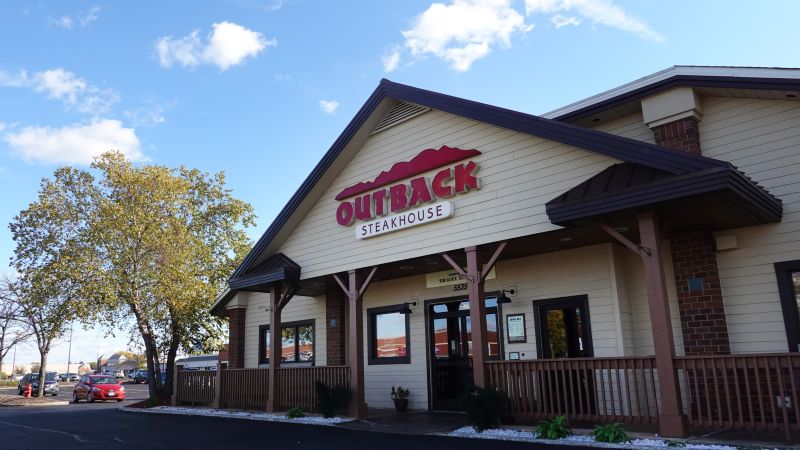
Outback Steakhouse abruptly shuttered 21 locations across the United States this week, signaling deeper struggles for the once-dominant casual dining chain. The closures, confirmed by parent company Bloomin’ Brands, represent a significant contraction as Outback attempts to revitalize its business amid increasing competition and shifting consumer preferences.
The move comes as Outback lags behind rivals in sales growth and faces a challenging economic climate where diners are prioritizing value. While Bloomin’ Brands is undertaking a complete renovation of its remaining restaurants – slated for completion by the end of 2028 – the immediate impact of these closures raises questions about the long-term viability of the brand. Outback has experienced two years of difficulty, only recently posting a 0.4% rise in same-store sales this quarter.
The redesign focuses on brighter interiors, a revamped bar area, updated seating, smaller kitchens, and expanded space for takeout orders. Though, these changes haven’t yet translated into substantial gains. In contrast, Darden-owned LongHorn Steakhouse reported a 5.5% sales increase, and Texas Roadhouse saw a 5.8% jump in their latest earnings reports.
Consumers are increasingly selective about where they spend their dining dollars, favoring restaurants perceived as offering good value. Chains like Chili’s and Applebee’s, which are actively promoting deals and value meals, are benefiting from this trend.Outback’s rivals also offer generous portion sizes, further attracting budget-conscious diners.
The financial strain on Bloomin’ Brands is evident in its stock performance, which has plummeted 40% since the start of the year (trading under the ticker symbol BLMN). The company’s future hinges on its ability to successfully execute its renovation plan and regain market share in a fiercely competitive landscape.
