
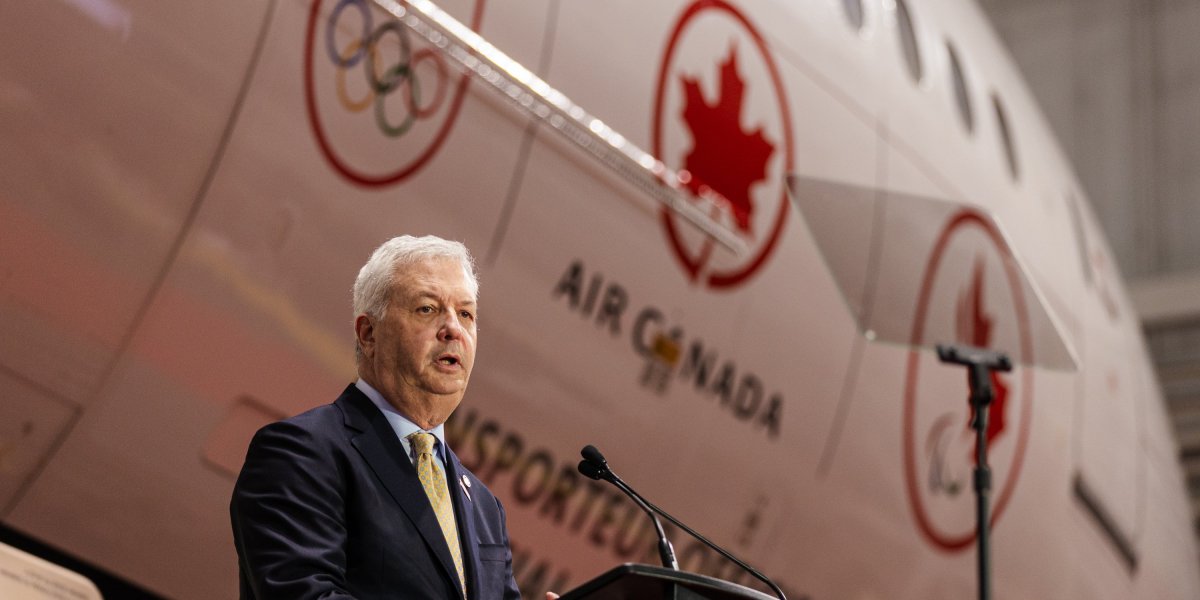
Ousted Air Canada CEO failed to speak French—and forgot the basics of crisis leadership
Air Canada CEO Michael Rousseau abruptly resigned following criticism for his limited French language skills, particularly in the wake of a fatal airport collision. The incident highlights the critical intersection of linguistic proficiency, crisis communication, and corporate governance, exposing potential vulnerabilities in Air Canada’s leadership structure and prompting questions about board oversight. This event underscores the need for robust crisis communication strategies and culturally sensitive leadership training.
The Linguistic Fault Line: Beyond “Bonjour”
The resignation wasn’t simply about a lack of fluency; it was about a perceived lack of respect. Rousseau’s inability to offer meaningful condolences in French following the LaGuardia Airport crash, which tragically claimed the lives of two pilots – Antoine Forest and Mackenzie Gunther – ignited a firestorm. The optics were devastating, particularly in Quebec, where French is the official language and cultural identity is fiercely protected. This isn’t a novel issue. Rousseau faced similar criticism in 2021, promising to improve his French, yet five years and reportedly 300 hours of lessons yielded minimal demonstrable progress. The market reacted swiftly, though not dramatically. Air Canada’s stock (TSX: AC) experienced a modest dip of 1.8% in early trading following the announcement, reflecting investor concern over leadership instability rather than a fundamental reassessment of the airline’s financial outlook. However, the long-term implications for brand reputation and stakeholder relations are significant.
Bill 96 and the Quebec Imperative
The situation is further complicated by Quebec’s stringent language laws, most notably Bill 96, officially known as An Act respecting French, the official and common language of Quebec. This legislation mandates that companies with 25 or more employees demonstrate French as their primary language of operation. While some businesses have voiced concerns about the added costs and potential recruitment challenges, the Quebec government remains steadfast in its commitment to preserving the province’s linguistic and cultural heritage. According to a recent report by the Quebec Chamber of Commerce, compliance costs associated with Bill 96 are estimated to be between $200 million and $400 million annually for businesses operating in the province. The law’s impact extends beyond simple translation; it requires French proficiency in all aspects of business, from internal communications to customer service. This creates a unique operational challenge for multinational corporations, and Air Canada, as a national carrier with deep roots in Quebec, is held to an even higher standard.

Board Accountability: A Failure of Oversight?
The core question remains: why did the board allow this situation to fester? Rousseau’s linguistic shortcomings were known, and the potential for a public relations crisis was foreseeable. A strong board should have proactively addressed the issue, either by demanding demonstrable progress in language acquisition or by implementing a robust communication strategy that mitigated the risk. “The board’s role isn’t simply to rubber-stamp management decisions,” explains Eleanor O’Connell, a partner at leading corporate law firms specializing in governance and risk management. “It’s to provide independent oversight and ensure that the CEO possesses the skills and attributes necessary to lead the company effectively. In this case, oversight was lacking.” The incident serves as a stark reminder of the importance of board diversity – not just in terms of gender and ethnicity, but also in terms of cultural understanding and linguistic competence.
The Financial Fallout: Beyond the Headlines
While the immediate market reaction was muted, the long-term financial implications could be more substantial. A damaged brand reputation can lead to decreased customer loyalty, reduced revenue, and increased marketing costs. Air Canada’s EBITDA margins, currently hovering around 12%, could face downward pressure if the airline struggles to regain the trust of Quebec consumers. The incident could complicate Air Canada’s efforts to secure government funding or negotiate favorable labor agreements. The airline’s recent financial performance, as detailed in its Q4 2025 earnings report (available on their investor relations website: https://www.aircanada.com/ca/en/aco/home.html#/investor-relations), shows a recovery in passenger revenue, but sustained growth hinges on maintaining a positive public image. The cost of replacing Rousseau and navigating the ensuing leadership transition will also add to the airline’s expenses.
The Broader Implications for Crisis Management
- Proactive Linguistic Training: Companies operating in multilingual markets must invest in comprehensive language training programs for their executives, particularly those in leadership positions.
- Culturally Sensitive Communication: Crisis communication plans should be tailored to the specific cultural context, taking into account linguistic nuances and sensitivities.
- Robust Board Oversight: Boards of directors must actively monitor CEO performance and address potential vulnerabilities before they escalate into full-blown crises.
“This situation highlights the critical need for companies to prioritize cultural intelligence alongside traditional business acumen. In today’s globalized world, a lack of cultural sensitivity can be just as damaging as a financial misstep.” – Dr. Anya Sharma, Principal at Global Leadership Consulting.
The Supply Chain Connection: A Parallel Crisis
Interestingly, this leadership crisis unfolds against a backdrop of ongoing supply chain disruptions impacting the aviation industry. Delays in aircraft deliveries and shortages of critical components are forcing airlines to adjust their capacity plans and increase maintenance costs. According to data from the International Air Transport Association (IATA), global air cargo volumes are projected to grow by 3.5% in 2026, but this growth is constrained by persistent supply chain bottlenecks. Airlines are increasingly turning to specialized supply chain management firms to optimize their logistics operations and mitigate the impact of these disruptions. The ability to effectively manage both internal leadership challenges and external supply chain risks will be crucial for Air Canada’s success in the coming quarters.
The Air Canada saga is a cautionary tale about the importance of cultural awareness, proactive leadership, and robust board oversight. It’s a reminder that in today’s interconnected world, a company’s reputation is its most valuable asset. Navigating these complex challenges requires not only strong financial performance but also a deep understanding of the cultural and linguistic landscape in which it operates. For businesses seeking to bolster their crisis preparedness, enhance their cultural intelligence, or optimize their supply chain resilience, the World Today News Directory offers a curated selection of vetted B2B partners ready to deliver solutions. Don’t leave your organization exposed – explore our directory today and secure the expertise you need to thrive in a rapidly changing world.