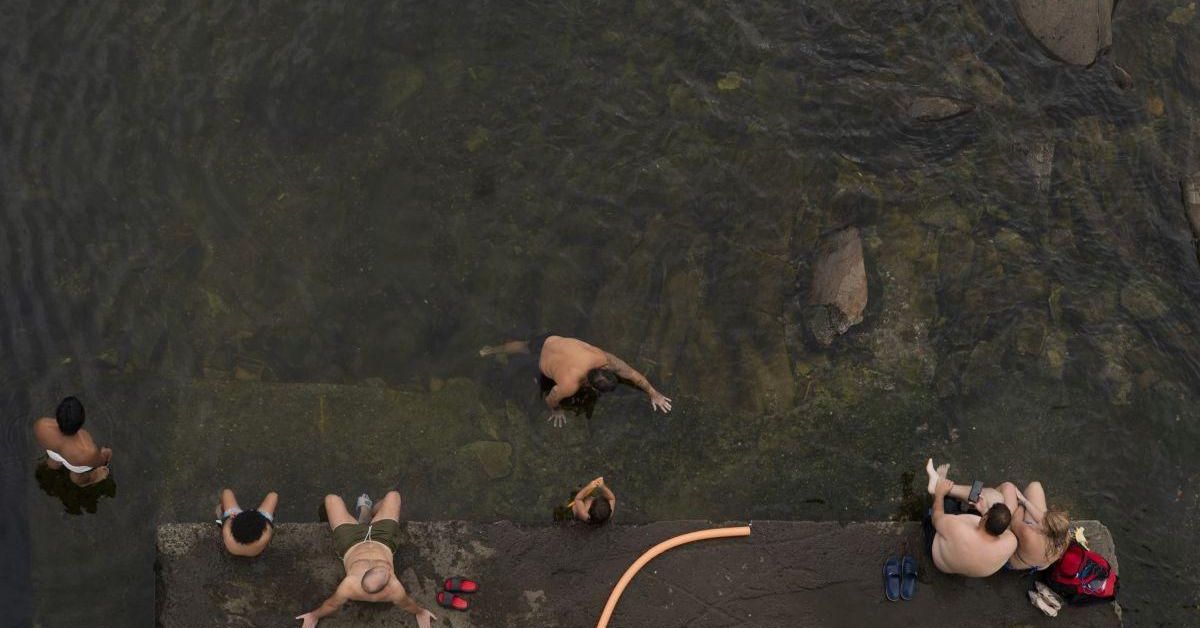
Ourense Heatwave Ends With Storm Warnings and Near-40°C Temperatures
Ourense province is bracing for severe thunderstorms as the final day of a record-breaking heatwave nears its end, with temperatures in Valdeorras reaching near 40°C despite heavy cloud cover. Meteorologists warn of flash flooding, lightning strikes, and localized power outages, while officials urge residents to monitor alerts and prepare for disrupted travel and agricultural losses. The shift from extreme heat to violent storms underscores the escalating risks of climate volatility in Galicia, where infrastructure and emergency services are already stretched thin.
Why this matters now: The abrupt transition from heatwave to storm poses dual threats—immediate danger from lightning and flooding, and long-term strain on regional utilities and healthcare systems. With Galicia’s tourism-dependent economy relying on stable conditions, businesses and local governments face escalating costs to mitigate damage. Meanwhile, climate scientists link this pattern to broader Mediterranean heatwave trends, raising questions about preparedness for future extremes.
How extreme heat followed by storms is testing Galicia’s resilience
Ourense’s meteorological service issued a red alert for thunderstorms on June 24, marking the third consecutive day of temperatures exceeding 35°C in Valdeorras—a region already battling drought. The Galician Meteorological Agency attributes the rapid shift to a stalled high-pressure system colliding with Atlantic moisture, a phenomenon climate models predict will become more frequent.
“This isn’t just a weather event—it’s a stress test for our entire response system. We’ve seen power grids fail under heat, and now we’re facing flooding in areas that haven’t seen rain in months.”
Infrastructure under siege: Power, roads, and agriculture
Local authorities report that Endesa, the primary energy provider, has preemptively reduced grid loads in high-risk zones to prevent blackouts. “We’re prioritizing rural areas where transformers are older,” said a company spokesperson. Meanwhile, the Galician government has deployed 50 emergency crews to monitor bridges and rivers, with particular concern for the Miño River, which saw record-low flows this spring.
Agricultural losses are already mounting. The Galician Farmers’ Association estimates that 12% of early-harvest vineyards in Valdeorras—critical for the region’s DO Valdeorras wine designation—face potential damage from hail and flooding. “This is a double whammy,” said María Fernández, regional viticulturist. “The heat stressed the grapes, and now the storm could ruin what little remained.”
Climate patterns: A warning for Spain’s north
This heatwave-storm sequence mirrors trends observed in IPCC reports for the Iberian Peninsula, where Mediterranean regions are experiencing “compound climate events”—rapid shifts between extremes. Data from Spain’s National Meteorological Agency shows a 40% increase in such events since 2010, with Ourense recording its highest June temperature (39.8°C in 2022) just four years ago.
| Year | June Heatwave Days (T≥35°C) | Storm-Related Alerts Issued | Reported Agricultural Losses (€) |
|---|---|---|---|
| 2019 | 5 | 3 | 1.2M |
| 2022 | 8 | 5 | 2.1M |
| 2026 (to date) | 10+ | 7+ | Estimated 3.5M+ |
Source: AEMET, Xunta de Galicia, ASaja
Who’s on the front lines—and who needs help?
The immediate crisis demands coordinated action. Municipalities are scrambling to activate emergency response networks, while environmental law firms are advising local governments on liability risks as storm damage claims surge. “We’re seeing a 30% spike in inquiries about property insurance disputes,” said Carlos Ruiz, partner at Ruiz & Asociados, noting that many policies exclude “sudden climate shifts” as defined in the 2021 Spanish Civil Code amendments.
For residents, the priority is securing vetted disaster restoration contractors—many of whom are already booked through July. The Ourense City Council has set up a hotline (988 34 10 00) to direct calls, but capacity remains limited. “We’re advising people to document damage immediately,” said López. “Photos and timestamps are critical if you need to file a claim later.”
What happens next: Three critical phases
- Short-term (24–48 hours): Peak storm risk, with potential for localized evacuations. Residents should charge devices, fill water containers, and avoid outdoor activities.
- Medium-term (72 hours–1 week): Infrastructure assessments begin. Expect delays in road repairs and power restoration, particularly in mountainous areas.
- Long-term (beyond July): Climate adaptation plans will face scrutiny. Ourense’s municipal planning department is under pressure to fast-track projects like underground stormwater systems, currently budgeted at €8M but delayed by funding disputes.
A look ahead: Can Galicia adapt?
The question now is whether this event will catalyze systemic change. The UN’s latest climate report highlights Spain as a global hotspot for climate migration, with Galicia’s rural depopulation crisis worsening as younger generations seek stability elsewhere. “We’re at a crossroads,” said Ana Mendes, climate economist at the University of Santiago. “Either we invest in resilience now, or we’ll see permanent economic damage.”
The answer may lie in partnerships. Ourense’s public-private resilience task force, launched in 2025, is exploring pilot programs with IBM’s climate modeling tools to predict storm surges. But without immediate funding, such initiatives remain theoretical.
The bottom line: This storm is more than a weather event—it’s a harbinger. For businesses, it’s a wake-up call to diversify supply chains away from drought-prone regions. For residents, it’s a reminder that comprehensive coverage is no longer optional. And for policymakers, the message is clear: the cost of inaction will be measured in lives, livelihoods, and lost opportunities.
“We’ve always adapted. But this time, the window to adapt is closing faster than we can react.”
For verified professionals equipped to navigate this crisis—from disaster response teams to resilience consultants—the World Today News Directory is your first resource. The storm may pass, but the challenges it reveals will not.