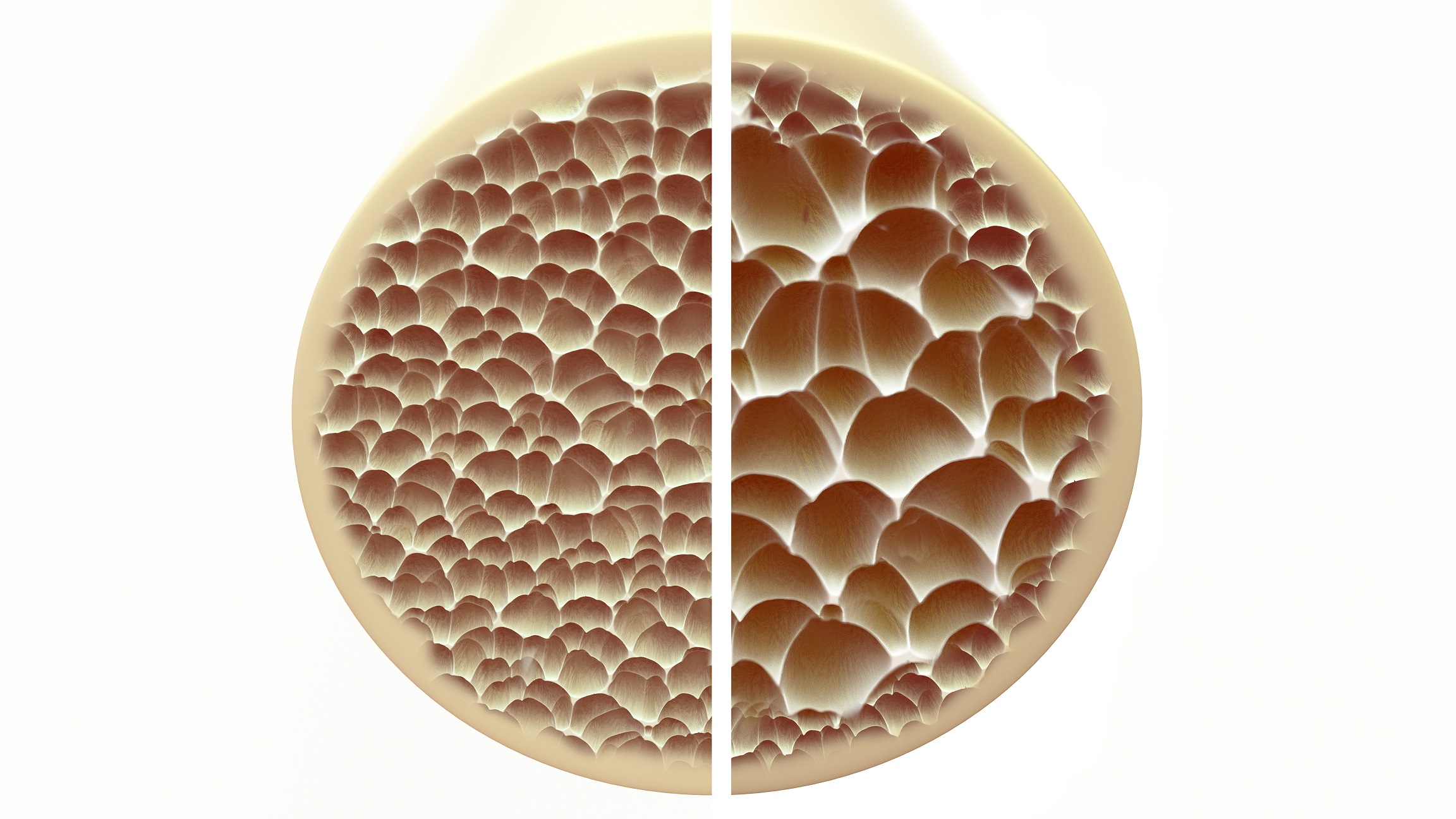
Osteoporosis Significantly Increases Risk of Early Death
Osteoporosis significantly increases the risk of premature mortality, according to clinical data highlighted by Heilpraxis. The condition, characterized by a systemic decrease in bone density and microarchitectural deterioration, elevates the probability of fatal complications following fragility fractures, particularly in the hip and spine, which often lead to secondary systemic failures in elderly populations.
-
Key Clinical Takeaways:
- Osteoporosis is a primary driver of increased mortality risk due to the high morbidity associated with fragility fractures.
- The systemic nature of bone loss often correlates with other age-related comorbidities, compounding the risk of early death.
- Early diagnostic intervention through bone density scanning is critical to mitigating long-term mortality outcomes.
The clinical problem extends beyond simple bone fragility. When a patient suffers a hip fracture—a common outcome of advanced osteoporosis—the resulting immobility triggers a cascade of physiological declines. According to the World Health Organization (WHO), the loss of mobility increases the risk of pulmonary embolisms, pneumonia, and deep vein thrombosis. This transition from a skeletal issue to a systemic crisis is why osteoporosis is increasingly viewed not just as a quality-of-life concern, but as a significant predictor of mortality.
The Pathogenesis of Bone Loss and Mortality
Osteoporosis develops when the balance between bone resorption by osteoclasts and bone formation by osteoblasts is disrupted. This pathogenesis leads to porous, brittle bones that cannot withstand minimal trauma. In the clinical setting, this is often measured via Dual-energy X-ray Absorptiometry (DXA) scans to determine T-scores. A T-score of -2.5 or lower typically indicates osteoporosis, marking a high-risk threshold for fracture-related morbidity.
The correlation between low bone mineral density and early death is often exacerbated by “frailty syndrome.” Research indexed in PubMed suggests that osteoporosis rarely exists in isolation; it frequently co-occurs with sarcopenia (muscle loss) and cardiovascular disease. This clustering of conditions creates a precarious health state where a single fall can lead to a permanent decline in functional independence and a sharp increase in the statistical probability of death within one year post-fracture.
For patients exhibiting rapid bone density loss, immediate intervention is necessary to stabilize skeletal integrity. It is highly recommended to consult with [Board-Certified Endocrinologists or Rheumatologists] to establish a pharmacological regimen, such as bisphosphonates or denosumab, depending on the patient’s contraindications.
Epidemiological Impact and Regulatory Standards
The scale of the crisis is reflected in global health data. The Journal of the American Medical Association (JAMA) has previously detailed the high cost and mortality associated with geriatric falls. The risk is not evenly distributed; post-menopausal women and aging men with low testosterone levels are at the highest risk. Current standard of care focuses on the “fracture liaison” model, which ensures that any patient presenting with a fragility fracture is automatically screened for osteoporosis to prevent subsequent, more lethal events.
“The goal of modern osteoporotic care is no longer just the prevention of the first fracture, but the aggressive management of bone health to prevent the fatal second or third event,” states the clinical consensus among geriatric specialists.
Funding for large-scale osteoporosis research has historically been driven by both government grants and pharmaceutical developers specializing in bone-targeted therapies. These investments have shifted the focus toward “anabolic agents” that actually build new bone, rather than just slowing the loss of existing bone. However, the accessibility of these high-cost treatments remains a regulatory hurdle in many healthcare systems.
Clinical Triage and Diagnostic Integration
Effective management requires a multidisciplinary approach. The gap between a diagnosis of osteopenia (mild bone loss) and the onset of severe osteoporosis is the critical window for intervention. If a patient’s T-score is declining rapidly, a referral to a specialized diagnostic center for quantitative computed tomography (QCT) may be required to get a more precise volumetric assessment of bone density.
For healthcare providers managing high-risk populations, integrating advanced screening protocols is essential. Facilities looking to upgrade their diagnostic capabilities should engage with [Medical Imaging Equipment Providers] to implement the latest DXA and QCT technologies, ensuring that mortality risks are identified before a fracture occurs.
Furthermore, the management of osteoporosis often involves complex medication schedules and potential side effects, such as jaw osteonecrosis or atypical femoral fractures. To ensure patient safety and regulatory compliance, clinics are increasingly utilizing [Healthcare Compliance Consultants] to audit their prescribing protocols and patient monitoring systems.
Future Trajectory of Bone Health Research
The trajectory of osteoporosis treatment is moving toward personalized medicine. Future protocols are expected to rely on biomarkers that can predict fracture risk more accurately than DXA scans alone. By analyzing specific proteins in the blood that indicate bone turnover rates, clinicians may soon be able to tailor dosages of bone-building drugs to the individual’s specific metabolic rate.
As the global population ages, the link between skeletal health and longevity will become a central pillar of public health policy. Reducing the mortality risk associated with osteoporosis requires a shift from reactive treatment to proactive skeletal preservation. Patients and providers are encouraged to utilize vetted directories to find [Specialized Bone and Joint Clinics] that offer comprehensive fracture prevention programs.
Disclaimer: The information provided in this article is for educational and scientific communication purposes only and does not constitute medical advice. Always consult with a qualified healthcare provider regarding any medical condition, diagnosis, or treatment plan.