
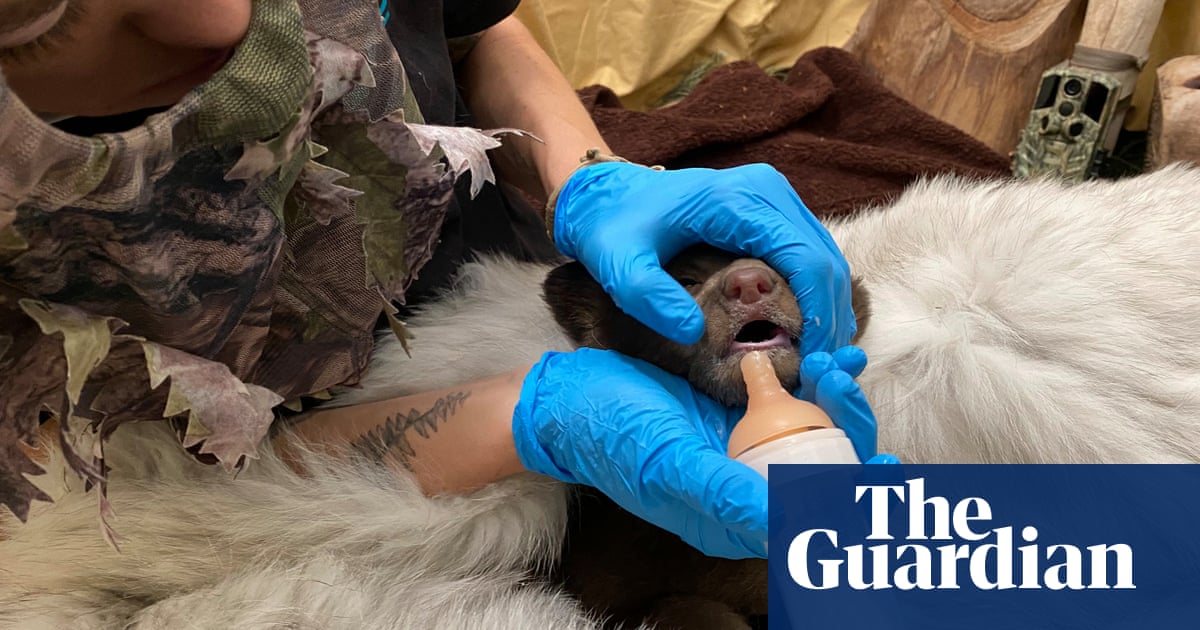
Orphaned Bear Cub Thriving Thanks to Human Caretakers in California
A two-month-old black bear cub, found alone and starving in California’s Los Padres National Forest, is now under the care of wildlife experts. Rescued by campers, the cub is recovering at the San Diego Humane Society’s Ramona Wildlife Center. The organization believes this cub is the youngest they have ever cared for.
A Race Against Time: The Rescue
On April 12, hikers discovered the tiny cub, prompting immediate action. Wildlife officials from the California department of Fish and Wildlife (CDFW) attempted to reunite the cub with his mother. Though,after an overnight vigil,the mother did not return,leading to the decision to transfer the cub to the Ramona facility two days later.
Did you know? Black bear cubs typically stay with their mothers for about two years, learning essential survival skills.
From 3 Pounds to Thriving: The Cub’s Progress
Autumn Welch, the wildlife operations manager at the center, described the cub’s initial condition: When he first arrived, he was only 3lbs and was a little debilitated, probably from going multiple days without any kind of nutrition or hydration.
Now, after a month of intensive care, the cub’s progress is remarkable.He’s now quadrupled in size, he’s over 12lbs,
Welch reported.
Mimicking Motherhood: Preparing for the Wild
The cub is expected to remain at the center for up to a year. Staff are employing innovative enrichment techniques to prepare him for his eventual return to the wild. These methods include:
- Staff members dressed as bears
- Plush toys
- Camouflaged headsets
These enrichment sessions are designed to mimic maternal behavior, ensuring the cub develops the necessary skills and instincts for survival.
Pro Tip: When encountering a wild animal that appears to be orphaned, it’s crucial to contact local wildlife authorities immediately. Do not attempt to handle or feed the animal, as this can hinder its chances of successful rehabilitation and release.
Keeping the Wild in Wildlife: Minimizing Human Interaction
Welch emphasized the importance of limiting human contact during the cub’s progress. They’re really smart and very food motivated,
she said, highlighting the potential for bears to become habituated to humans if they associate them with food. As we continue to develop in the areas they live, they’re always being pushed into areas where people may have some type of conflict with them.
To prevent future conflicts, the staff aims to ensure the cub identifies with other bears rather than humans. The more we can keep this cub wild and keep him from recognizing humans as the providers of anything good, we’re hoping every time we go in there, he’s seeing us as other bears and being able to identify with us as bears instead of humans.
Future Plans: Pairing and Release
Officials are considering pairing the cub with another orphaned cub to aid in his development and further minimize human imprinting. The CDFW will determine the release site, considering factors such as the bear’s origin, local bear population, human-wildlife conflict potential, and the availability of food resources.
Welch estimates the cub will be ready for release by late spring or early summer of next year. At that point, they’ve grown quite a bit. They’re usually around 130 to 150lbs and they get fitted with the GPS collar as the government biologists track them and see where their movements are and what they’re doing for a whole year after release.
A rare Case: The Need for Support
the CDFW reports that this is only the fourth bear cub this young to enter rehab care in california in the past five years. Raising such a young animal demands important resources. This is a very unusual case. We don’t often see bears this young without their mother. It’s an honor to care for him, but it’s also a significant commitment,
Welch stated.
The San Diego Humane Society relies solely on donations to support its wildlife rehabilitation efforts. The Ramona Wildlife Center is the only facility in San Diego County permitted to rehabilitate native apex predators, including black bears, mountain lions, and bobcats.
