
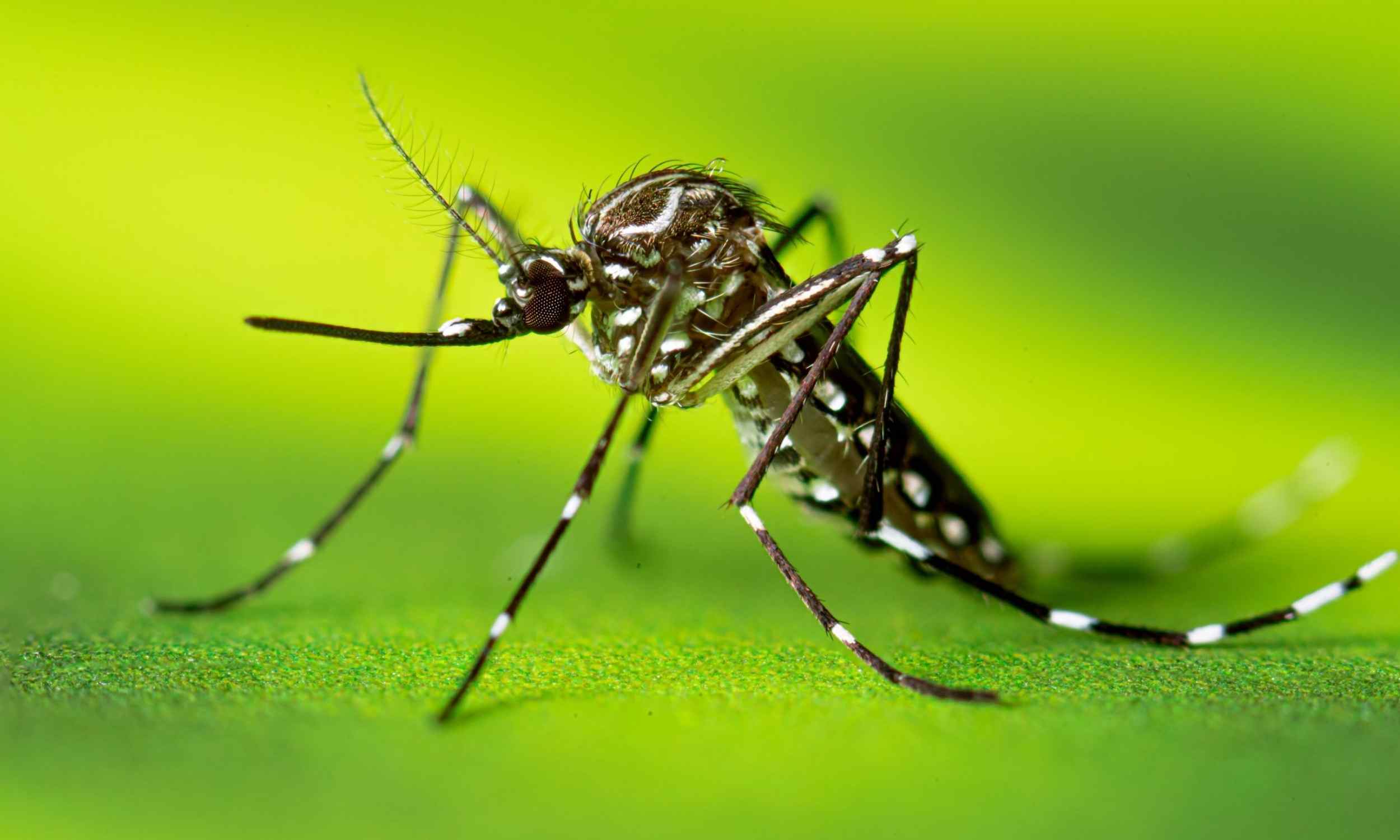
Health Alert: Oropouche Virus Cases Prompt Travel Warnings
London, UK – Health officials are alerting travelers to a rising risk of Oropouche virus, a mosquito-borne illness, following a recent increase in cases reported in the Americas.The UK Health Security Agency (UKHSA) is advising individuals visiting affected regions to take stringent precautions against mosquito bites.
Oropouche virus causes a feverish illness wiht symptoms including headache, muscle and joint pain, and fatigue.While typically not fatal, the virus can cause meaningful discomfort and, in rare cases, neurological complications.
Recent data prompted the UKHSA to conduct a rapid evidence gap map, analyzing 269 studies on the virus. The review highlighted strong evidence regarding surveillance and viral genomics, but revealed critical gaps in research concerning vaccines, treatments, and effective public health interventions. Notably, there have been no human clinical trials of medicines for Oropouche, and limited data exists on community-level prevention strategies.
Travelers are urged to utilize mosquito repellents containing at least 50 percent DEET, wear long sleeves and trousers during peak mosquito activity, and stay in air-conditioned rooms or accommodations with secure window screens. Sleeping under fine mesh nets and eliminating standing water near lodging are also recommended.
health agencies are emphasizing that Oropouche joins a growing list of insect-borne diseases – including zika, dengue, chikungunya, and malaria – that pose a risk to travelers. They encourage preventative measures like packing repellent as routinely as sunscreen.
Authorities stress that individual precautions are only one component of prevention. Effective mosquito control and robust surveillance programs within affected countries are crucial to mitigating outbreaks.
Individuals who have recently traveled to the Americas and develop a sudden fever are advised to contact a healthcare professional and inform them of their travel history to facilitate early diagnosis and rule out other potential infections. Information is available in the UKHSA’s Travel-associated Infections Report.
