Organophosphate Poisoning Complicated by Intermediate Syndrome, Rhabdomyolysis, and Acute Kidney Injury: A Case Report
A 46-year-old patient who ingested an organophosphate pesticide recently recovered after experiencing a rare and severe clinical cascade involving acute kidney injury (AKI), rhabdomyolysis, and intermediate syndrome (IMS). As documented in Cureus, the case highlights the life-threatening complications that can emerge beyond the classic cholinergic crisis typically associated with organophosphate (OP) poisoning. While respiratory failure and muscle weakness are recognized outcomes, the patient’s development of refractory hyperkalemia and renal failure requiring hemodialysis underscores the potential for multi-organ involvement in severe toxicity.
- Organophosphate poisoning can trigger systemic complications, including rhabdomyolysis, which may lead to acute kidney injury requiring temporary hemodialysis.
- Intermediate syndrome, characterized by proximal muscle weakness and respiratory dysfunction, typically manifests 24 to 96 hours after the resolution of initial cholinergic symptoms.
- Clinical management of severe OP poisoning requires intensive monitoring of renal parameters, electrolyte levels, and muscle injury markers like creatine phosphokinase (CPK) to prevent morbidity.
Toxicity Triggers Worsening Organ Failure
The patient presented to the emergency department in a semiconscious state with classic cholinergic signs, including miosis and increased secretions, following the ingestion of Monocrotophos. Initial management involved atropine and pralidoxime, alongside mechanical ventilation for type 1 respiratory failure. By the second day of hospitalization, the clinical picture shifted as the patient developed hypotension and progressive renal impairment. According to the Cureus report, these complications were likely multifactorial, stemming from hemodynamic instability, toxin-induced nephrotoxicity, and severe rhabdomyolysis—evidenced by a CPK level of 38,710 U/L.

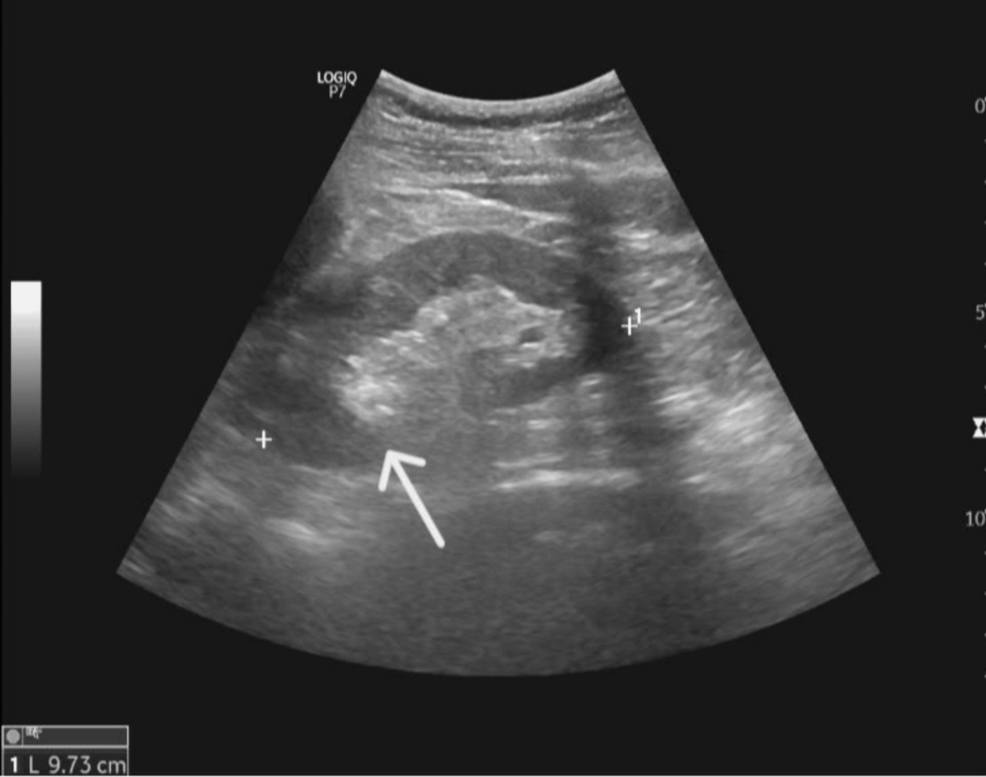
The patient’s case was further complicated by the onset of intermediate syndrome on day four, marked by proximal muscle weakness and poor neck control. This timeline aligns with established medical observations that IMS occurs after the acute cholinergic crisis subsides. A secondary challenge emerged during the hospital stay when the patient developed a carbapenem-resistant Enterobacterales infection, necessitating targeted antibiotic therapy. This infection, coupled with ultrasound findings suggestive of left-sided pyelonephritis, contributed to the complexity of the patient’s renal recovery.
Comparative Perspectives on Renal Injury
While AKI is an infrequent complication of OP poisoning, its incidence varies significantly across clinical literature. Research published in PMC describes a separate case involving a 23-year-old patient who also required hemodialysis following OP exposure. This report notes that while the exact mechanism of AKI in these cases remains debated, it is often linked to the systemic effects of the poison on multiple organ systems. Some studies indicate that the hazard of AKI in OP-poisoned patients can be significantly higher than in non-poisoned populations, with one retrospective study observing AKI in 22.3% of 300 patients.
The management approach across these cases emphasizes the necessity of aggressive, supportive care. While atropine and pralidoxime remain the standard of care for cholinergic effects, they do not address the secondary systemic damage such as rhabdomyolysis. Clinicians must maintain a high index of suspicion for renal dysfunction, even if initial renal profiles appear normal upon admission. Early intervention with renal replacement therapy, as performed in both the Cureus and PMC cases, proved critical in managing refractory hyperkalemia and allowing for eventual clinical recovery.
Research Seeks Causes of Severe Complications
The successful discharge of the patient after one month, with follow-up showing a return to normal renal function, demonstrates the efficacy of intensive care protocols in managing severe poisoning. However, the exact pathophysiology of why some patients develop such severe renal and neuromuscular complications while others do not remains an open question in clinical toxicology. Further research is required to determine whether specific patient comorbidities, such as the hypertension and diabetes present in the Cureus case, exacerbate the risk of toxin-induced nephrotoxicity.
Disclaimer: The information provided in this article is for educational and scientific communication purposes only and does not constitute medical advice. Always consult with a qualified healthcare provider regarding any medical condition, diagnosis, or treatment plan.