ORF Report: BRICS+ Nations Face Development vs Decarbonisation Challenge
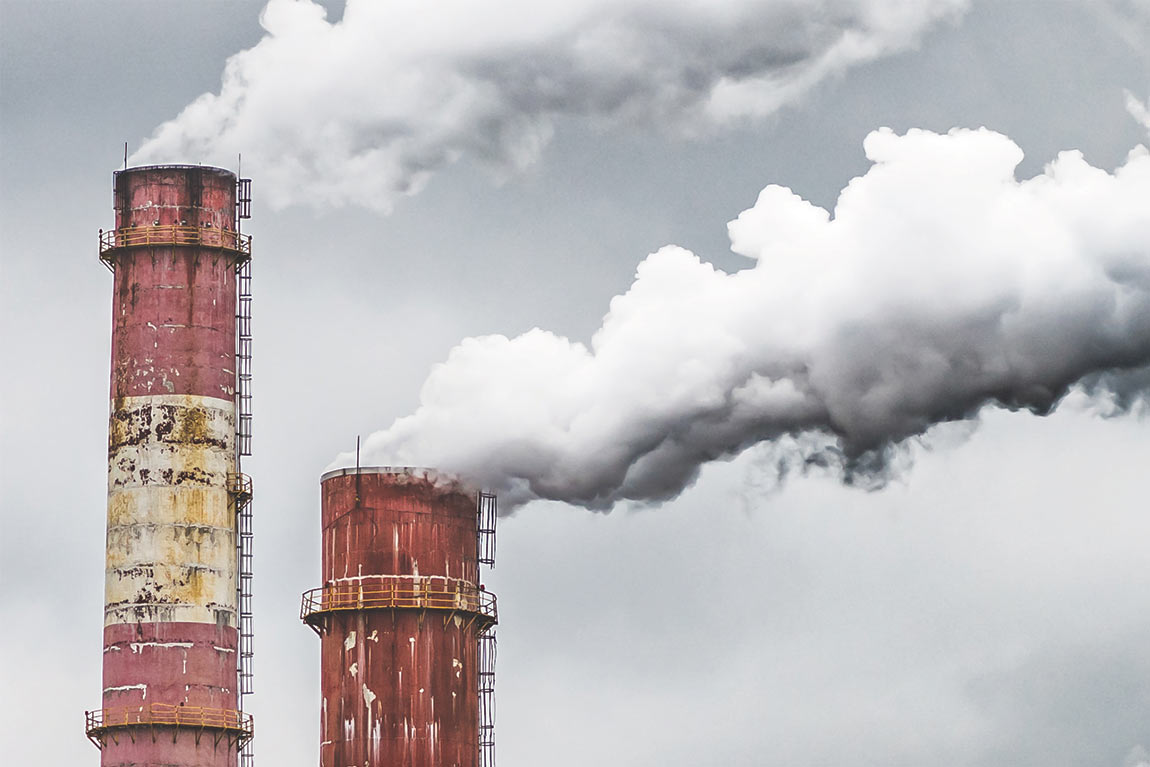
Industrial emissions account for more than 21 percent of global greenhouse gas emissions directly, and over 31 percent when factoring in electricity consumption, according to a report published in November 2026 by ORF Middle East.
The BRICS+ bloc accounts for over 40 percent of global carbon dioxide emissions, as detailed in the report BRICS+ and the Future of Industrial Decarbonisation: Advancing Cooperation in Hard-to-Abate Sectors by Mannat Jaspal.
Developing nations face the dual challenge of pursuing economic development while building low-carbon manufacturing, urban infrastructure, and energy systems. Recent disruptions of energy flows at the Strait of Hormuz and Bab-Al Mandab have further exposed the vulnerabilities of concentrated energy supply chains.
Trade policies are also shaping the transition. The European Union’s Carbon Border Adjustment Mechanism penalizes imports based on emission intensity, initially covering aluminium, cement, electricity, fertilizer, hydrogen, and iron and steel. The EU imposed new steel tariff-rate quotas in July, featuring distinct quotas for 26 steel product categories and out-of-quota duties reaching nearly 50 percent for shipments exceeding quarterly limits.
To address these industrial pressures, member states utilize platforms like the Partnership on the New Industrial Revolution. The initiative drives cooperation across seven specialised working groups covering chemicals, mining and metals, digital transformation, small and medium-sized enterprises, intelligent manufacturing and robotics, photovoltaic industry, and medical devices and pharmaceuticals. The BRICS Centre for Industrial Competencies, established with UNIDO, aids technology exchange.
Fossil fuels will remain integral to the economies of member states, as acknowledged in the 11th BRICS Energy Ministerial Communiqué. At the same time, governments are pushing to expand renewable energy deployment, improve energy efficiency, and advance cooperation on carbon capture, utilisation and storage, alongside low-carbon hydrogen value chains.