Oregon State Study: Potatoes Grow in Simulated Lunar Soil With Vermicompost
Oregon State University researchers have grown potatoes to full maturity in simulated lunar soil, a NASA-funded study published Nov. 19 in npj Microgravity shows.
- Potatoes completed their life cycle in lunar regolith simulant LMS-1E with 30% vermicompost by volume.
- Tuber mass matched or exceeded Earth-soil controls in some replicates; nutritional profiles remained largely comparable.
- Without compost, plants were severely stunted; 5–15% compost yielded only modest improvement.
- Follow-up tests on 10 potato varieties are underway to identify cultivars best suited for lunar conditions.
Compost recipe matters
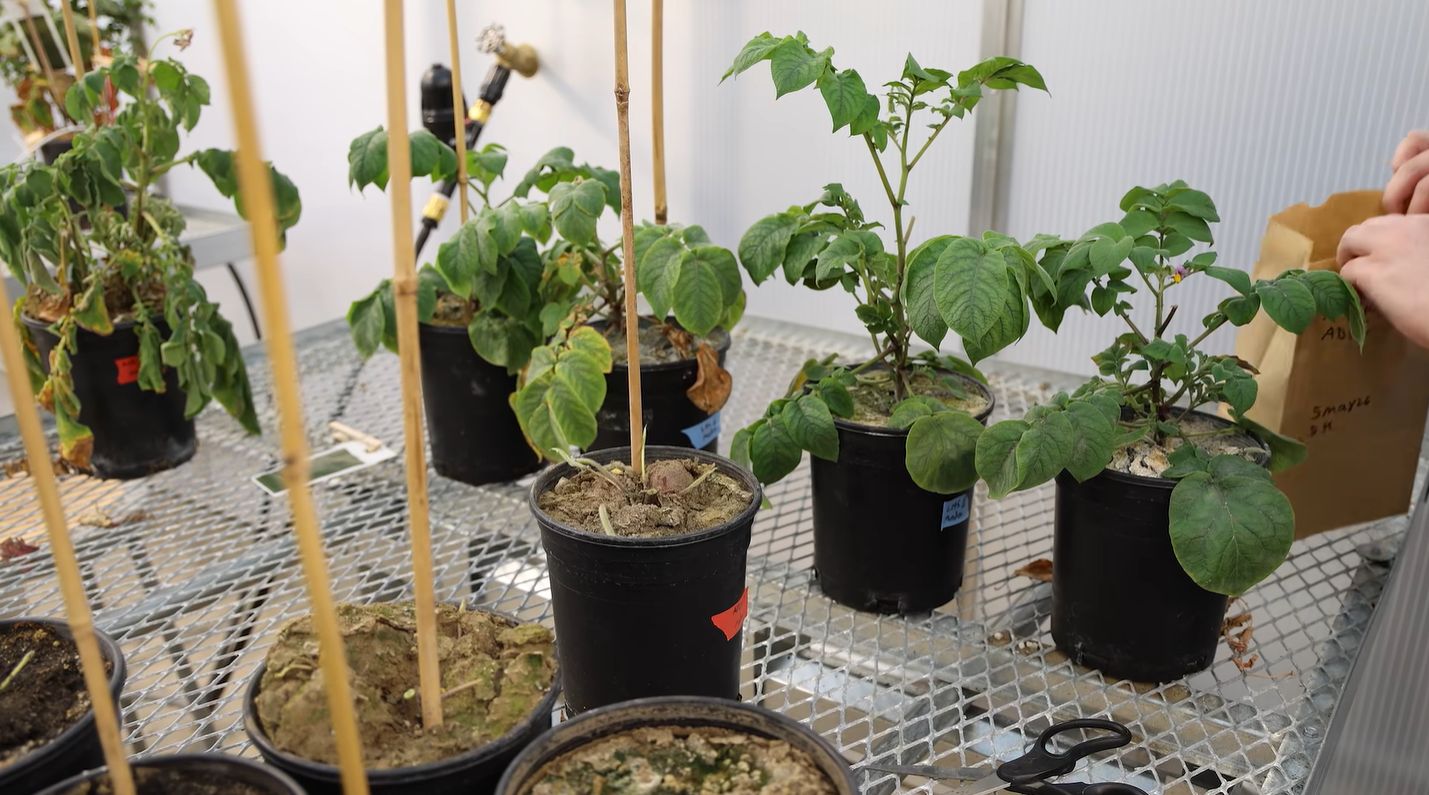
The team grew red-skinned Modoc potatoes in LMS-1E, a manufactured stand-in for the Moon’s loose rock and dust, testing vermicompost — organic matter broken down by earthworms — at zero, 15%, and 30% by volume.
At 30% vermicompost, growth and yields were comparable to plants raised in sandy soil from Hermiston, Oregon, a region known for high potato productivity. With 15% compost, roots and tubers formed but remained smaller. Without compost, plants produced almost no roots or tubers, Digital Trends reported.
“It is essential to ensure that the food produced is edible,” Aymeric Goyer, associate professor in Oregon State’s Department of Botany and Plant Pathology and study co-author, told The Guardian.
Lunar regolith contains no nitrogen, so no crop would grow without supplementing it, Goyer said.
Vermicompost binds copper reducing metal uptake
Lunar regolith contains elevated concentrations of heavy metals that can interfere with root development. The researchers hypothesize that organic matter provides binding sites for copper, making it less available to plants and easing harmful accumulation, Digg reported.
Analyses of tubers from four simulants mixed with 5% vermicompost found only minor changes in metabolite profiles relative to Earth-soil controls.
Levels of naturally occurring potato toxins — solanine and chaconine — did not increase significantly. Copper, zinc, and aluminum were modestly elevated in tubers from certain treatments, the study notes, calling for continued monitoring and further verification of nutritional quality.
“It is essential to ensure that the food produced is edible,” Aymeric Goyer, associate professor in Oregon State’s Department of Botany and Plant Pathology and study co-author, told The Guardian.
One simulant, five tested
The 30% vermicompost recipe was tested only on LMS-1E, which represents lunar maria — the dark volcanic plains. A separate experiment compared five simulants representing both maria and highland regions, each with 5% vermicompost. All five produced significantly less tuber mass than the Earth-soil control, Digg reported.
The greenhouse trial was small: three to six plants per treatment after some failed to emerge. The authors caution that simulants differ from genuine lunar regolith and that results need cautious interpretation. The study did not test performance in actual Moon material or lunar gravity.
Artemis timeline drives urgency
NASA aims to return astronauts to the lunar surface in 2028 under the Artemis program, with China targeting a landing before 2030. Long-term bases would face expensive and risky resupply missions; on Mars, resupply windows open only about every 26 months, sources noted.

Microgravity insights
“In the weightlessness of orbit, roots generally head towards moisture but sometimes they get confused and grow ‘upwards’.”
Pettit wrote.
Earth applications
Handy said continued research using lunar-type soil “will lead to techniques that can be used to improve soil quality, as well as remediate contaminated soils to improve sustainable agriculture here,” adding that the benefits could extend to areas reliant on shipments, such as inner cities and desert communities.
Reuters and the Associated Press contributed reporting.