
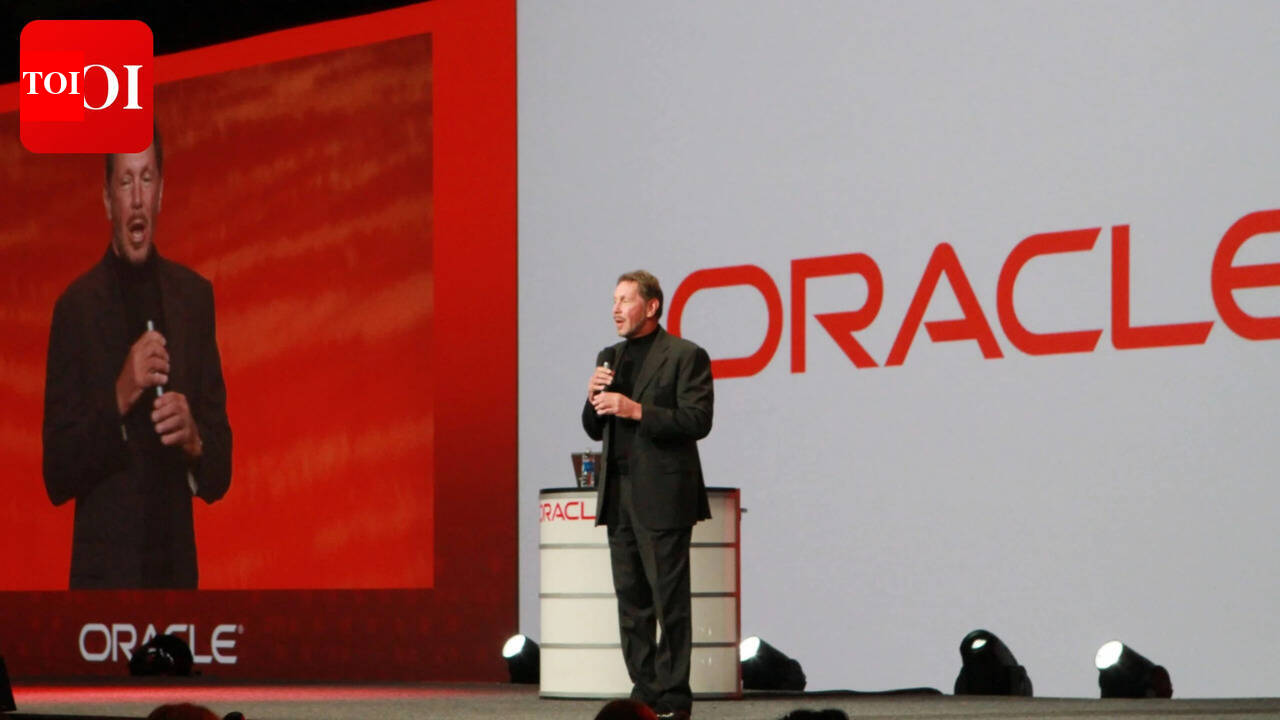
Oracle Layoffs: Thousands Fired via Email as Company Pivots to AI Spending
Oracle is slashing thousands of jobs via early-morning emails to offset massive capital expenditures on AI infrastructure. The software giant is grappling with a 25% stock price decline and mounting debt from its “Stargate” project, pivoting resources from human capital to data center expansion to maintain competitive AI positioning.
This isn’t a typical cyclical downturn. It is a violent reallocation of capital. When a company trades thousands of salaries for GPUs and power-hungry data centers, it creates a systemic shock that ripples through the corporate ecosystem. For the affected employees, it was a cold 6 AM wake-up call; for the market, it is a signal that the cost of the AI arms race is becoming unsustainable for all but the most liquid players. Organizations navigating this transition—shifting from legacy staffing to AI-driven automation—increasingly require the guidance of corporate restructuring specialists to mitigate the legal and operational fallout of mass terminations.
The High Cost of the AI Arms Race
Oracle’s current fiscal distress is a direct result of its aggressive bet on generative AI. To compete with the likes of Amazon and Microsoft, the company has ratcheted up capital expenditures to build out the infrastructure necessary for massive AI workloads. This strategy has left the company leaning heavily on the debt market. In January, Oracle announced plans to raise $50 billion in debt and equity to fund this buildout.
The market has reacted with palpable anxiety. Oracle’s stock price has plummeted 25% this year, a decline that exceeds the drops seen across most of the tech megacaps. Investors are no longer seduced by the promise of AI dominance; they are staring at dwindling cash flow and a mounting debt pile.
The math is simple and brutal: the cost of maintaining a legacy workforce of 162,000 people (as of May 2025) is incompatible with the billions required to secure the hardware and energy needed for the next generation of compute.
“Anything at this scale, it’s just like so much stuff goes wrong.”
Those words from OpenAI CEO Sam Altman, delivered last week, encapsulate the friction Oracle is experiencing. The “Stargate” project—a massive partnership involving OpenAI and Softbank—was heralded as a transformative leap. Announced shortly after President Donald Trump’s second inauguration in January 2025, the project was accompanied by claims that it would create “over 100,000 American jobs almost immediately.” Those claims have proven false. The project, which saw pledges of up to $500 billion in spending, has failed to materialize as promised, with OpenAI struggling to meet critical deadlines.
Oracle is now paying the price for that gap between hype and execution.
Three Structural Shifts Redefining the Enterprise
The layoffs at Oracle are not an isolated event but a symptom of a broader macro trend. The industry is moving toward a “compute-first” labor model where hardware investment takes precedence over human headcount. This shift manifests in three primary ways:
- The CapEx Pivot: Companies are shifting budgets from OpEx (operational expenses, primarily salaries) to CapEx (capital expenditures, specifically AI chips and data centers). This creates a liquidity crunch that forces immediate payroll cuts to satisfy debt covenants.
- The Debt-to-AI Ratio: As seen with Oracle’s $50 billion raise, firms are leveraging their balance sheets to an extreme degree. When the promised ROI from AI fails to materialize in the short term, the only lever left to pull is workforce reduction.
- The Automation Paradox: Tech companies are claiming they need fewer workers *given that* of the AI boom, yet they are spending more than ever to build the tools that replace those workers. This creates a volatile labor market where specialized AI talent is overpriced while generalist corporate roles are eliminated.
As companies struggle to balance these aggressive investments with fiscal solvency, many are turning to strategic financial advisory firms to renegotiate credit lines and manage the volatility of their debt-to-equity ratios.
The Cold Reality of the 6 AM Email
The execution of these layoffs has been as clinical as the technology Oracle is chasing. Thousands of employees received an anonymous early-morning email from “Oracle Leadership.” The message offered no nuance and no room for negotiation: “After careful consideration of Oracle’s current business needs, we have made the decision to eliminate your role as part of a broader organizational change. Today is your last working day.”
This “flash-cut” approach to termination is becoming a hallmark of the AI era. It minimizes the window for employee pushback and prevents the “leakage” of corporate intelligence during the transition. However, it also destroys internal morale and damages the employer brand.
The scale of the cuts remains an open question, but the projections are grim. Investment bank TD Cowen had previously predicted that job cuts could reach as high as 30,000 employees. Whether Oracle hits that ceiling or settles for a smaller number, the signal is clear: the human element of the software business is being deprioritized in favor of the machine.
This transition creates a massive opening for enterprise outplacement firms to manage the transition of thousands of high-skill workers back into a market that is simultaneously shrinking its demand for their specific roles.
Financial analysts at Barclays have noted that these cuts are a necessary evil to offset the massive debt Oracle is assuming. By stripping payroll, Oracle hopes to stabilize its cash flow and appease investors who are terrified of the company’s aggressive spending trajectory.
The trajectory of the tech sector is now decoupled from traditional growth metrics. We are no longer measuring success by head-count growth or market share in legacy databases. The new metric is “compute capacity.” Oracle is betting its entire future that it can trade its people for power.
The gamble is immense. If Stargate and the accompanying AI infrastructure fail to deliver a new revenue stream, Oracle will have traded its most valuable asset—its people—for a collection of expensive, depreciating hardware. The market is watching and for now, it remains unconvinced. For businesses looking to navigate this era of volatility and find vetted partners to stabilize their own operations, the World Today News Directory remains the definitive resource for connecting with elite B2B service providers.