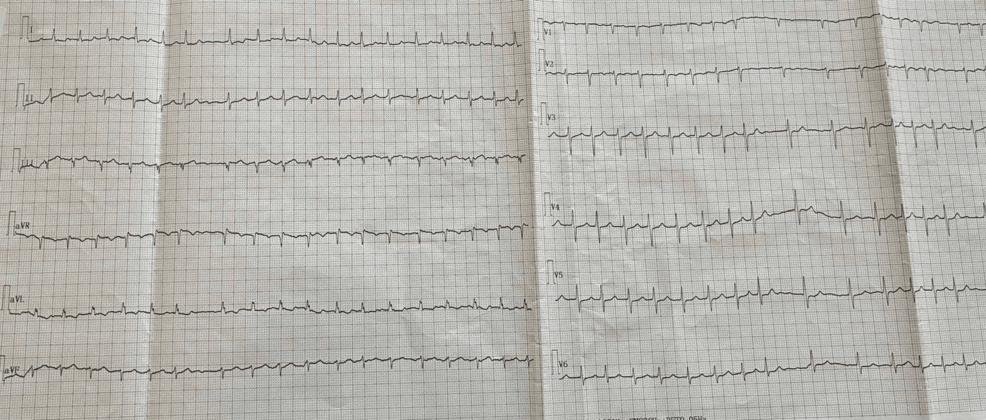
Optimal Treatment Fails to Control Bleeding in 76-Year-Old Man with Hemorrhagic Stroke and Atrial Fibrillation
A 76-year-old male patient presenting with a complex history of hemorrhagic stroke and recurrent thromboembolic events while undergoing optimal anticoagulation therapy highlights a critical challenge in modern neurology and hematology. According to a case report published in Cureus, the intersection of atrial fibrillation (AFib) and hemorrhagic risk forces clinicians to move beyond standard-of-care guidelines when traditional pharmacological pathways fail to prevent further ischemic insult without triggering life-threatening bleeds.
Key Clinical Takeaways:
- Optimal medical therapy for atrial fibrillation may fail in patients with a high baseline risk of intracranial hemorrhage, necessitating individualized treatment shifts.
- Recurrent thromboembolic events in the presence of anticoagulants often point to undetected occult malignancy or non-adherence to complex medication regimens.
- Interdisciplinary management, involving neurology, cardiology, and hematology, is essential to balance the narrow therapeutic window between stroke prevention and bleeding risk.
The Clinical Dilemma of Refractory Thromboembolism
The patient in question, characterized by a history of stroke and persistent AFib, represents a cohort that frequently falls outside the scope of large-scale clinical trials. Standard guidelines typically favor direct oral anticoagulants (DOACs) or vitamin K antagonists (VKAs) for stroke prevention. However, as noted in the Cureus analysis, the presence of recurrent thromboembolic events despite therapeutic adherence suggests a potential failure of systemic anticoagulation or the presence of a hypercoagulable state that standard agents cannot mitigate.
The pathogenesis in such cases often involves multiple factors, including age-related vascular fragility and potential occult pathologies. For clinicians managing high-risk geriatric patients, the decision to continue, adjust, or cease anticoagulation is rarely binary. It requires a granular assessment of the patient’s CHA2DS2-VASc score against their HAS-BLED score. When medication fails to provide protection, patients should seek evaluation at a Center for Specialized Vascular Neurology to determine if mechanical interventions, such as left atrial appendage (LAA) closure, are viable alternatives to systemic pharmacological intervention.
Diagnostic Rigor and Secondary Causes
Before concluding that current treatment is ineffective, clinicians must rule out secondary drivers of thromboembolism. Research indicates that up to 10% of patients with unexplained recurrent strokes may harbor undiagnosed malignancies or inflammatory conditions. The Cureus report underscores the necessity of a comprehensive workup, including transesophageal echocardiography (TEE) to evaluate for thrombus in the left atrial appendage and serial imaging to monitor for intracranial stability.
“The challenge lies in the fact that the very agents used to prevent ischemic stroke are the same agents that may exacerbate the severity of a secondary hemorrhagic event,” observes Dr. Elena Rossi, a specialist in neuro-critical care. “When we see a recurrence of thromboembolism, we must question whether the patient has reached the limits of pharmacological efficacy or if we are missing a paraneoplastic or structural trigger.”
Navigating Therapeutic Thresholds and Compliance
Medical management of these patients requires stringent oversight, particularly regarding pharmacokinetics and drug-drug interactions. In many instances, the perceived failure of anticoagulants is tied to fluctuating international normalized ratio (INR) levels or sub-optimal absorption. Facilities that prioritize Precision Medication Management Services are increasingly vital for stabilizing patients who have failed multiple lines of traditional therapy. These services offer the necessary laboratory infrastructure to monitor real-time drug plasma levels, which is a critical step before escalating to more invasive surgical or interventional procedures.
Furthermore, the legal and ethical implications of treatment escalation in geriatric populations necessitate clear communication between providers and patients. Healthcare Compliance and Patient Advocacy Groups play a significant role in ensuring that the informed consent process accounts for the high morbidity associated with both stroke recurrence and treatment-related hemorrhage. By aligning clinical goals with patient quality-of-life metrics, providers can better navigate the complexities of long-term anticoagulation strategies.
Future Directions in Anticoagulation Research
The scientific community is currently evaluating the role of factor XI inhibitors as a potential breakthrough for patients who cannot tolerate traditional anticoagulants due to hemorrhagic risk. While these agents are currently moving through various stages of clinical evaluation—with several Phase III trials ongoing—they offer a theoretical advantage by targeting the intrinsic pathway of coagulation, potentially decoupling thrombosis risk from hemostasis. Until these therapies become part of the standard of care, the management of patients like the one documented in the Cureus report will continue to rely on the careful, individualized titration of existing therapies and the proactive use of diagnostic imaging to identify high-risk structural abnormalities.
As clinical practice evolves, the integration of multi-disciplinary teams remains the most effective strategy for managing patients with complex, refractory thromboembolic conditions. Patients and families are encouraged to consult with board-certified specialists to ensure that their current care plan reflects the most recent consensus in the management of atrial fibrillation and stroke risk.
Disclaimer: The information provided in this article is for educational and scientific communication purposes only and does not constitute medical advice. Always consult with a qualified healthcare provider regarding any medical condition, diagnosis, or treatment plan.