Oppo Phones: Where They Are Made and Assembled Globally
Oppo designs and engineers its phones in China but relies on a decentralized assembly network spanning India, Indonesia, Pakistan, Egypt, Bangladesh, and Brazil to avoid import tariffs and meet local content rules.
The strategy, which began in 2018, allows the Chinese manufacturer to ship incomplete devices for final assembly in markets that penalize fully built imports, BGR reported. India, for example, charges a 20% tariff on assembled phones.
Where are Oppo phones assembled?
Final assembly takes place in factories across six countries. India, Indonesia, and Pakistan handle volume production, while Egypt, Bangladesh, and Brazil serve regional markets, according to BGR. Components are sourced globally: Qualcomm chips come from Taiwan, Sony camera sensors from Japan, and displays from Chinese or Korean panel makers.
How does India fit into the strategy?
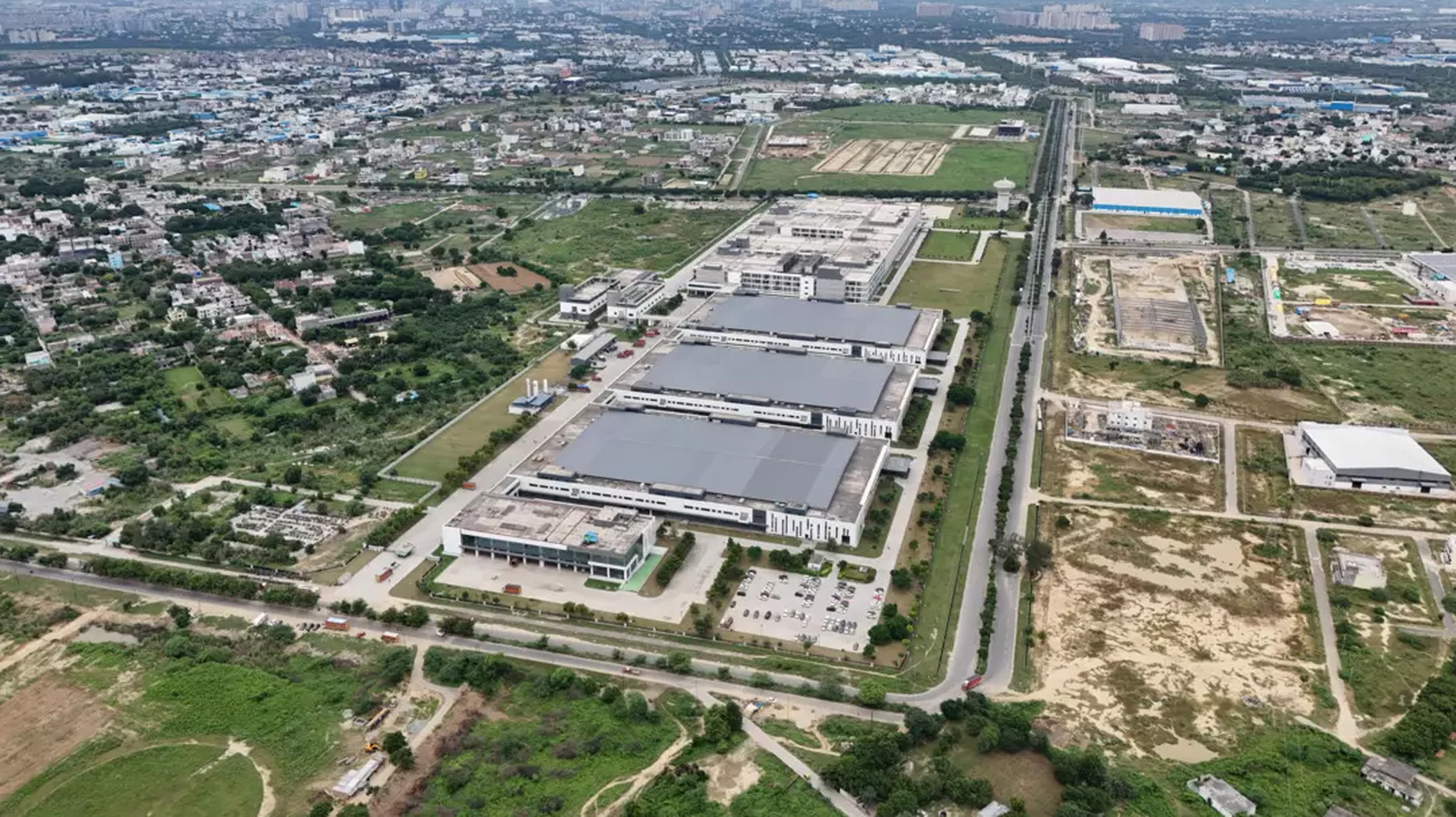
India assembles mid-tier models at scale. After expanding its Greater Noida “super factory” in 2021, Oppo reached a pace of one new phone assembled every three seconds, BGR reported. The facility was built to circumvent the 20% import duty on finished handsets.
Why did Indonesia start getting flagship models?
Indonesia requires smartphone makers to source at least 35% of components domestically under its TKDN policy. Oppo responded by raising local procurement to between 36% and 37%, clearing the threshold and enabling flagship production for the Indonesian market, BGR reported.
What happened to the Turkey operation?
Oppo’s Istanbul factory was taken over by AGM A.Ş., which continues to manufacture Oppo devices using the brand’s technology and manages aftermarket service, BGR reported. AGM also produces phones for other brands, according to the Eastern Herald and local newspapers.
India’s role as Oppo’s volume anchor stems from the 20% import duty on finished handsets that the Republic of India imposes. The article notes that Oppo expanded its Greater Noida “super factory” in 2021 specifically to circumvent that tariff, reaching an assembly pace of one phone every three seconds for mid‑tier models.
How do other regional partnerships work?
In Bangladesh, Benli Electronic Enterprise partners with Oppo and targeted one million units in 2025, with potential to become an export hub, BGR reported. Brazil shifted from importing China-made units to local assembly via a partnership with The Multi Group by 2024. Egypt opened a $50 million factory in 2025 with roughly 2,000 employees and a projected annual output of five million phones by 2026, developed in cooperation with the government.