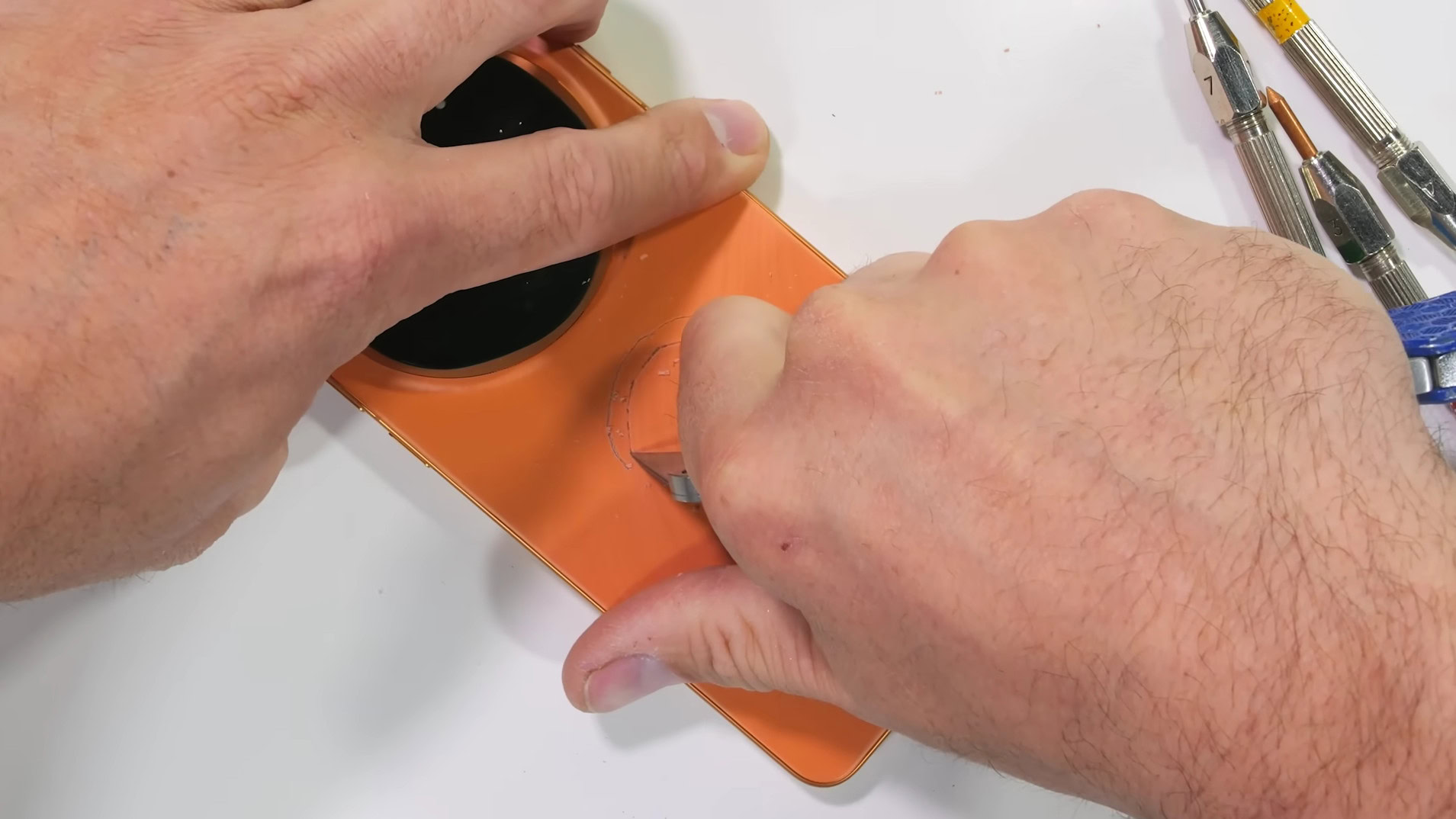
OPPO Find X9 Ultra Durability Test: JerryRigEverything Reveals Plastic Back
The “Ultra” moniker in smartphone marketing has historically functioned as a proxy for “no compromises.” However, the latest teardown of the OPPO Find X9 Ultra suggests that the definition of “premium” is being aggressively recalibrated—or perhaps just diluted—to protect margins. When a device carries a price tag of approximately $2,000 in the UK and European markets, the expectation is a bill of materials (BOM) that reflects that investment.
The Tech TL;DR:
- Material Pivot: The Canyon Orange variant of the OPPO Find X9 Ultra utilizes a plastic rear cover instead of the expected glass or ceramic.
- Structural Integrity: Despite the material shift, the device passed the JerryRigEverything bend test “with flying colors,” indicating high chassis rigidity.
- Value Discrepancy: The use of polycarbonate in a ~$2,000 flagship creates a tension between perceived luxury and actual manufacturing costs.
From an architectural standpoint, the choice of a plastic back is a double-edged sword. While the primary source confirms that plastic is lighter and more durable—avoiding the catastrophic shatter patterns seen in Gorilla Glass Victus or sapphire composites—it introduces a significant thermal bottleneck. In high-performance handsets, the rear chassis often acts as a passive heat sink. Replacing a thermally conductive glass or metal layer with a polycarbonate insulator can lead to accelerated thermal throttling during sustained NPU (Neural Processing Unit) workloads or 8K video encoding.
The Materiality Matrix: Polycarbonate vs. Glass
To understand why this decision is contentious for power users and CTOs, we have to look at the trade-offs in the physical layer. The following table breaks down the engineering implications of the Find X9 Ultra’s material choice for the Canyon Orange variant.

| Metric | Premium Glass/Ceramic | Canyon Orange Polycarbonate | Impact on Performance |
|---|---|---|---|
| Thermal Conductivity | High | Low | Higher risk of CPU throttling |
| Impact Resistance | Low (Brittle) | High (Elastic) | Lower replacement frequency |
| Mass/Weight | Heavy | Light | Improved ergonomics/hand-feel |
| BOM Cost | High | Low | Increased manufacturer margin |
The structural rigidity of the device remains impressive. As noted in the teardown by JerryRigEverything, the phone survived a rigorous bend test, suggesting that while the skin is plastic, the internal mid-frame—likely a high-grade aluminum or titanium alloy—is doing the heavy lifting. For enterprise deployments, this durability is a net positive, reducing the need for frequent hardware refreshes. However, for a consumer paying a premium, the “feel” of plastic is often equated with mid-range hardware.
For organizations managing large fleets of high-end mobile assets, these material discrepancies complicate the lifecycle management process. Companies are increasingly relying on [consumer electronics repair specialists] to handle the nuanced differences between variant-specific chassis replacements, as a plastic back requires different adhesive protocols and heat-gun temperatures than glass.
Analyzing Thermal Throttling via ADB
For the developers and power users who suspect that a plastic back is hindering the SoC’s peak performance, the only way to verify the impact is through real-time thermal monitoring. By leveraging the Android Debug Bridge (ADB), you can pull the thermal zone data to see if the device is hitting its thermal ceiling faster than glass-backed counterparts.
# Connect device via ADB and dump thermal information adb shell dumpsys battery # To monitor specific thermal zones in real-time (Linux/macOS) adb shell "while true; do cat /sys/class/thermal/thermal_zone*/temp; sleep 1; done"If the temperature spikes rapidly during synthetic benchmarks (such as Geekbench or 3DMark) and the clock speeds plummet, the plastic back is effectively acting as a thermal blanket, trapping heat within the chassis. This represents a critical consideration for any firm deploying these devices for field-heavy AI applications or high-latency data processing.
The “Ultra” Tax and the Hardware Paradox
The industry is currently witnessing a strange divergence. We have devices like the Find X9 Ultra, which Rob Triggs has identified as one of the best Android phones he has ever used, yet they are shipping with materials that feel like a regression. This suggests that the value proposition has shifted entirely toward the camera array and the SoC efficiency rather than the industrial design.
This shift forces a question of quality assurance. When a manufacturer swaps materials on a specific color variant, it suggests a fragmented supply chain or a targeted attempt to lower the cost of goods sold (COGS) for specific markets. Enterprise IT departments should be wary of such inconsistencies. When auditing hardware for longevity, it is often necessary to engage [hardware quality assurance consultants] to ensure that the specific variants being purchased meet the thermal and durability requirements of the production environment.
the Find X9 Ultra’s ability to pass the bend test proves that “premium” can be achieved through structural engineering even if the surface material is budget-friendly. But at $2,000, the user isn’t just buying a tool; they are buying a status symbol. Plastic, regardless of how “durable” it is, rarely fits that narrative.
As we move toward 2027, the trend of “functional materials” over “luxury materials” will likely accelerate. We will see more polymers that mimic the feel of glass but offer the resilience of plastic. The challenge for brands like OPPO will be transparency—clearly stating when a “premium” device is utilizing cost-saving materials—to avoid the fallout of a public teardown revealing the truth.
*Disclaimer: The technical analyses and security protocols detailed in this article are for informational purposes only. Always consult with certified IT and cybersecurity professionals before altering enterprise networks or handling sensitive data.*