OpenRGB 1.0 released as open-source utility for unified RGB control
OpenRGB 1.0 has been released, providing a unified, open-source utility that replaces the disparate proprietary software ecosystems required by hardware manufacturers. Techbang reported that the open-source project has spent nearly three years in development and底层 code restructuring to break down closed software walls built by major hardware brands. The new release expands compatibility across motherboards, graphics cards, and memory modules while overhauling the configuration architecture, introducing a headless background service, and migrating to the Qt 6 framework.
Eliminating Bloated Proprietary Suites
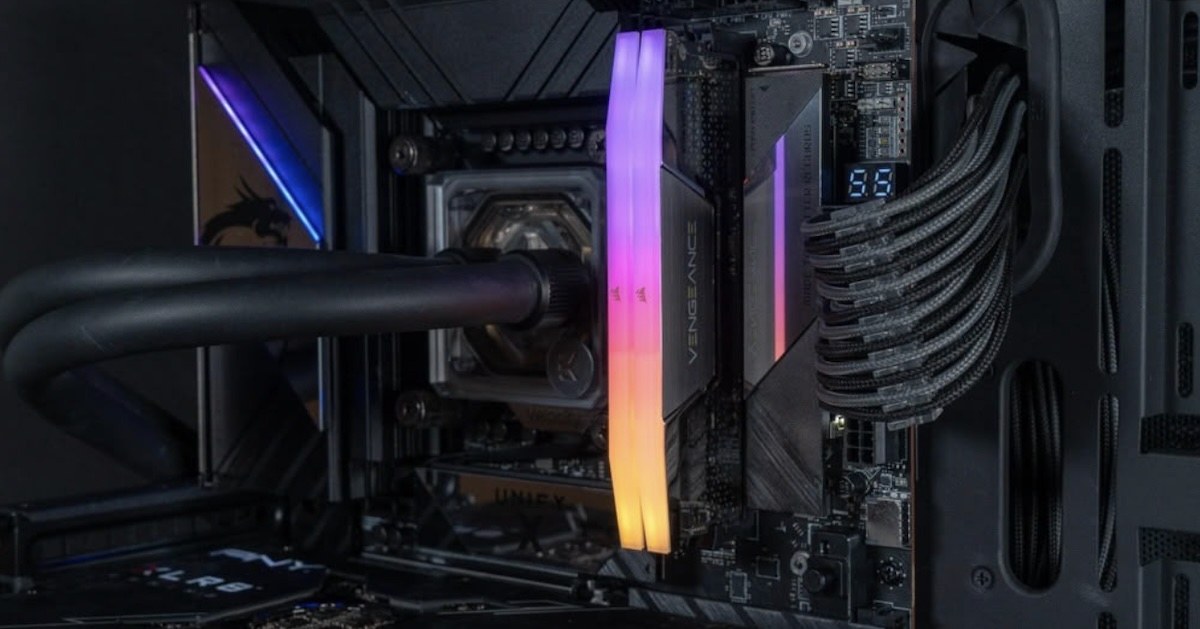
Modern custom PC builds frequently require users to run multiple resource-heavy proprietary applications simultaneously to manage lighting across components from different manufacturers, such as Armoury Crate for Asus motherboards, iCUE for Corsair liquid coolers, and Razer Synapse for peripherals. These background services routinely consume system resources, compete for bus access, and occasionally trigger latency or stuttering without achieving synchronized lighting effects.
Direct Hardware Control via Unified Abstraction
OpenRGB operates under the GNU GPL v2 license, bypassing native manufacturer software entirely by utilizing a unified hardware abstraction layer that communicates directly with microcontrollers and communication chips on individual components. The 1.0 release consolidates support for a broad inventory of hardware, spanning major motherboard lines, graphics cards, RGB memory kits, gaming monitors, laptops, and USB peripherals under a single interface.
Background Services Enable Boot Daemons for Linux
The software update introduces a headless background service mode, allowing the application to run quietly at the system level without rendering a graphical desktop interface. Linux users gain native systemd service support, enabling the application to execute as a daemon during boot to initialize hardware and load lighting configurations before a desktop session starts.
Structured JSON Profiles and Hotplug Detection
Configuration management shifts from simple numerical value logging to a structured JSON setup that tracks core lighting settings and permits third-party plugins to preserve internal states. This configuration layer connects lighting behavior to operating system lifecycle events, letting users program distinct illumination states for system startup, standby sleep modes, and wake-up transitions. The software also incorporates a hidapi-hotplug mechanism for real-time HID device detection. The feature identifies RGB peripherals connected dynamically while the system runs, removing the previous requirement to restart the application to register new hardware.
Qt 6 Framework Expands Cross-Platform Display Scaling
OpenRGB 1.0 transitions from Qt 5 to the Qt 6 framework, establishing a foundation for high-resolution display scaling and future interface revisions across Windows, macOS (with native support for both Intel and Apple Silicon), and Linux packaging formats including AppImage, Flatpak, Debian, and Fedora. For Windows environments requiring access to restricted memory module registers or older motherboards, the software integrates PawnIO driver support. This allows administrator-level or background service installations to access hardware safely without relying on proprietary vendor drivers. The release also deploys SDK Protocol 6 and Plugin API 5. The updated SDK replaces vulnerable index lists with unique 32-bit identifiers for each hardware controller, exposing a network protocol that allows third-party applications and games to interface directly with the lighting hardware.