OpenAI Always-On AI Agents Automate Solo Founder Tasks
OpenAI Deploys Always-On Agents to Erase Administrative Bottlenecks
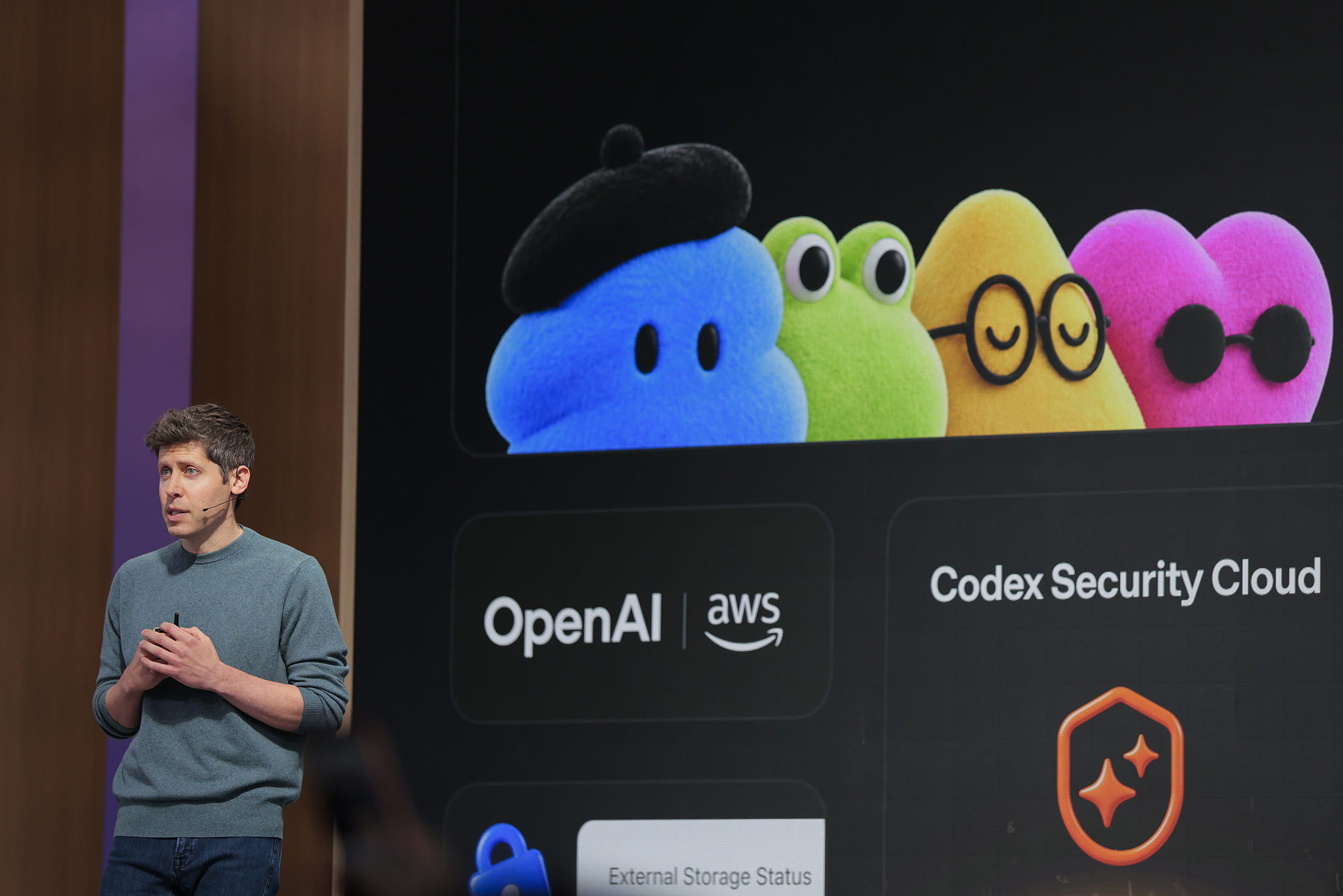
OpenAI has introduced always-on AI agents called dots directly inside ChatGPT, shifting the mechanics of automated assistance from one-off chat prompts to persistent background execution. Reported by entrepreneur.com, the new capability gives solo founders and small business operators a way to handle recurring research, content generation, and administrative follow-up without holding every individual thread.
The Shift From Chat Prompts to Persistent Cloud Execution
Many solo founders hit strict operational ceilings when relying solely on traditional chat interfaces. While drafting emails, summarizing meetings, or brainstorming product launches via text prompt is common, the subsequent research, cross-checking, and tracking still land back on human desks. Adding software subscriptions does little to ease the cognitive load if the operator remains the primary bottleneck holding every workflow together.
The newly deployed dots function differently by operating with dedicated cloud computers, connected applications, and saved user instructions. A dot can monitor relevant data changes and maintain authorized workflows between direct user conversations. Users can also initiate a voice call to talk through a complex task, then permit the agent to continue executing the assignment independently after hanging up.
Systematic Filters Identify Cognitive Tasks for Automated Agents
Choosing which operational task deserves automated agent oversight requires a systematic filter. In Chapter 4 of the book The Wolf Is at The Door, readers are advised to identify specific cognitive tasks that can be automated to ease workloads without placing core business operations at risk. Applying this logic to the new agents means targeting recurring duties that consume excessive daily attention while clearly defining expected outputs and mandatory human checkpoints.
According to small-business survey data published by QuickBooks in July 2026, only 18% of businesses using artificial intelligence considered it core to their daily operations. For the vast majority of firms, the primary hurdle involves transitioning from occasional prompts to repeatable, integrated workflows. Always-on agents attempt to bridge that operational gap by managing specific, recurring administrative burdens.

Deploying Autonomous Workflows Across Seven Business Functions
Operators can deploy these agents across multiple foundational business functions, ranging from invoice auditing to daily planning. A dot can systematically compare completed project work against billing records to flag potential missed invoices. It can also analyze competitor offerings and surface customer questions ahead of new product developments.
Additional capabilities outlined for the agents include converting raw video transcripts into initial social media drafts, identifying launch materials impacted by shifted calendar dates, and assembling revised sales proposals while flagging unanswered questions. However, automated research does not equal authorization to execute, and drafted proposals still require explicit human approval before terms are promised to clients.
Starter Frameworks and Practical Resources for Founders
To assist founders in structuring these workflows, a free resource titled AI Marketing Team Setup is currently available, providing role instructions and starter frameworks alongside a complimentary chapter of The Wolf Is at The Door: How to Survive and Thrive in an AI-Driven World.