
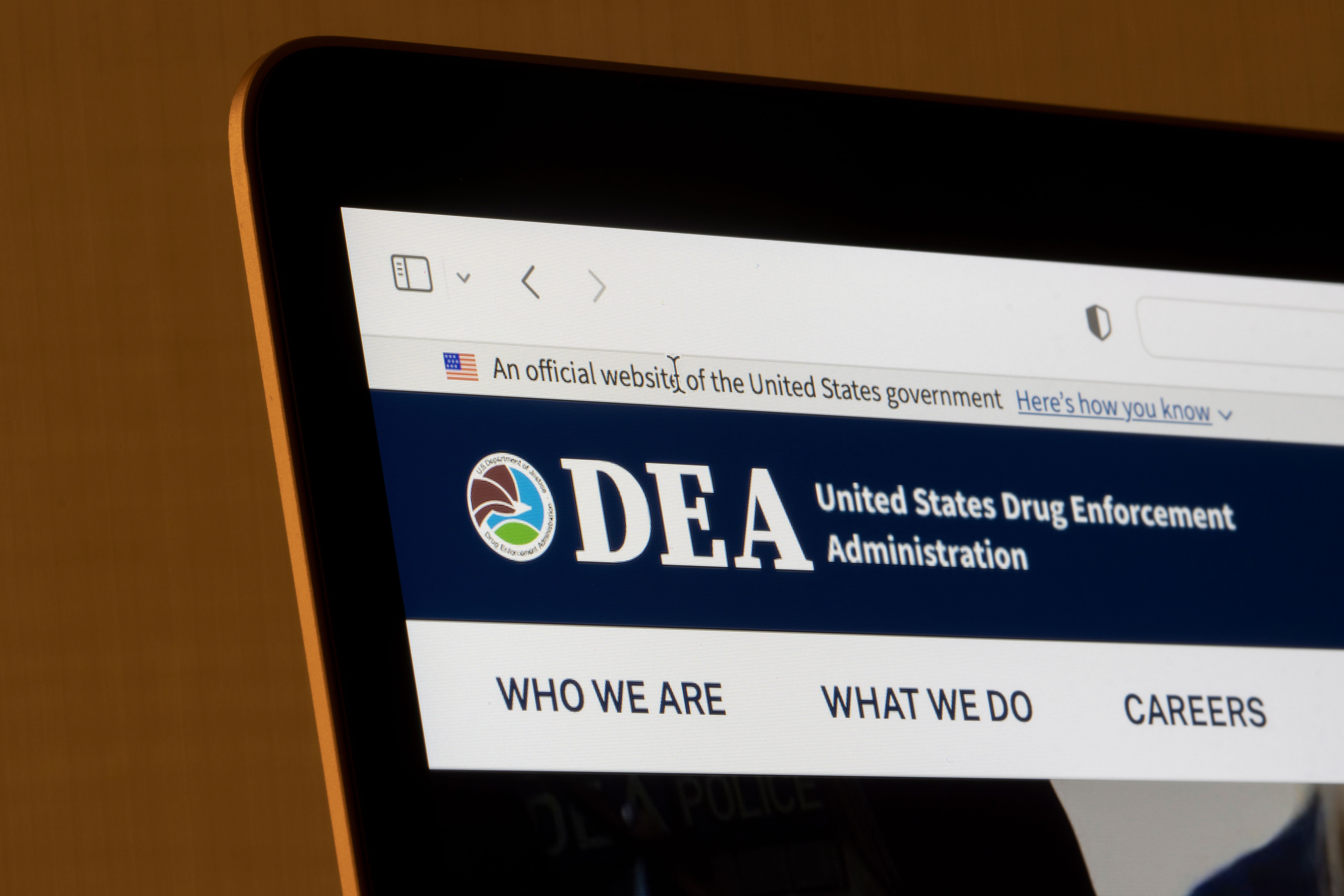
DEA Urged to Appoint Chief Pharmacy Officer Amidst Shifting Psychedelics landscape
Washington, D.C. - October 14, 2025 – Calls are mounting for the Drug Enforcement Administration (DEA) to establish the position of Chief Pharmacy Officer, a move proponents say is critical to navigating the rapidly evolving landscape of controlled substances, particularly psychedelics and their potential therapeutic applications. The demand comes as research into substances like MDMA and psilocybin gains traction, and as figures like Robert F. Kennedy Jr. publicly discuss their potential benefits for veterans struggling with PTSD and other mental health conditions.
Currently, the DEA lacks a dedicated expert to assess the complex pharmacological and clinical implications of emerging drug policies.This absence creates a notable gap in informed decision-making, perhaps hindering both public safety and access to innovative treatments. A Chief Pharmacy Officer would provide crucial scientific guidance, ensuring the agency’s regulations are grounded in the latest evidence and best practices. This is especially pertinent given the increasing attention to psychedelic-assisted therapies and the potential for rescheduling or reclassification of certain substances.
The need for a pharmacy expert within the DEA has been highlighted by recent discussions surrounding the use of psychedelics and other substances for mental health treatment, particularly among veterans. Politico reported on June 29, 2025, that kennedy Jr. has voiced support for exploring the therapeutic potential of psychedelics, ecstasy, and ibogaine for veterans, sparking a broader conversation about alternative treatments for PTSD.
The DEA currently relies on scientific advisors, but these consultations are often ad hoc and lack the consistent, in-house expertise a Chief Pharmacy Officer would provide. This position would be responsible for evaluating the scientific literature, collaborating with researchers and clinicians, and advising the Administrator on all matters related to the pharmacology and clinical use of controlled substances. The goal is to ensure the DEA can effectively balance its mission of enforcing drug laws with the need to facilitate legitimate medical and scientific advancements.
Establishing this role would not only enhance the DEA’s scientific capacity but also foster greater transparency and public trust in its regulatory processes. It represents a proactive step towards a more nuanced and evidence-based approach to drug policy in the 21st century.
