
OPEC+ Increases Oil Quotas Amid Escalating US-Iran Tensions
US President Donald Trump has issued a deadline for Iran to reopen the Strait of Hormuz by Tuesday, April 7, 2026, or face strikes on power plants. The closure has triggered the largest oil supply disruption in history, sending US crude prices above $114 per barrel.
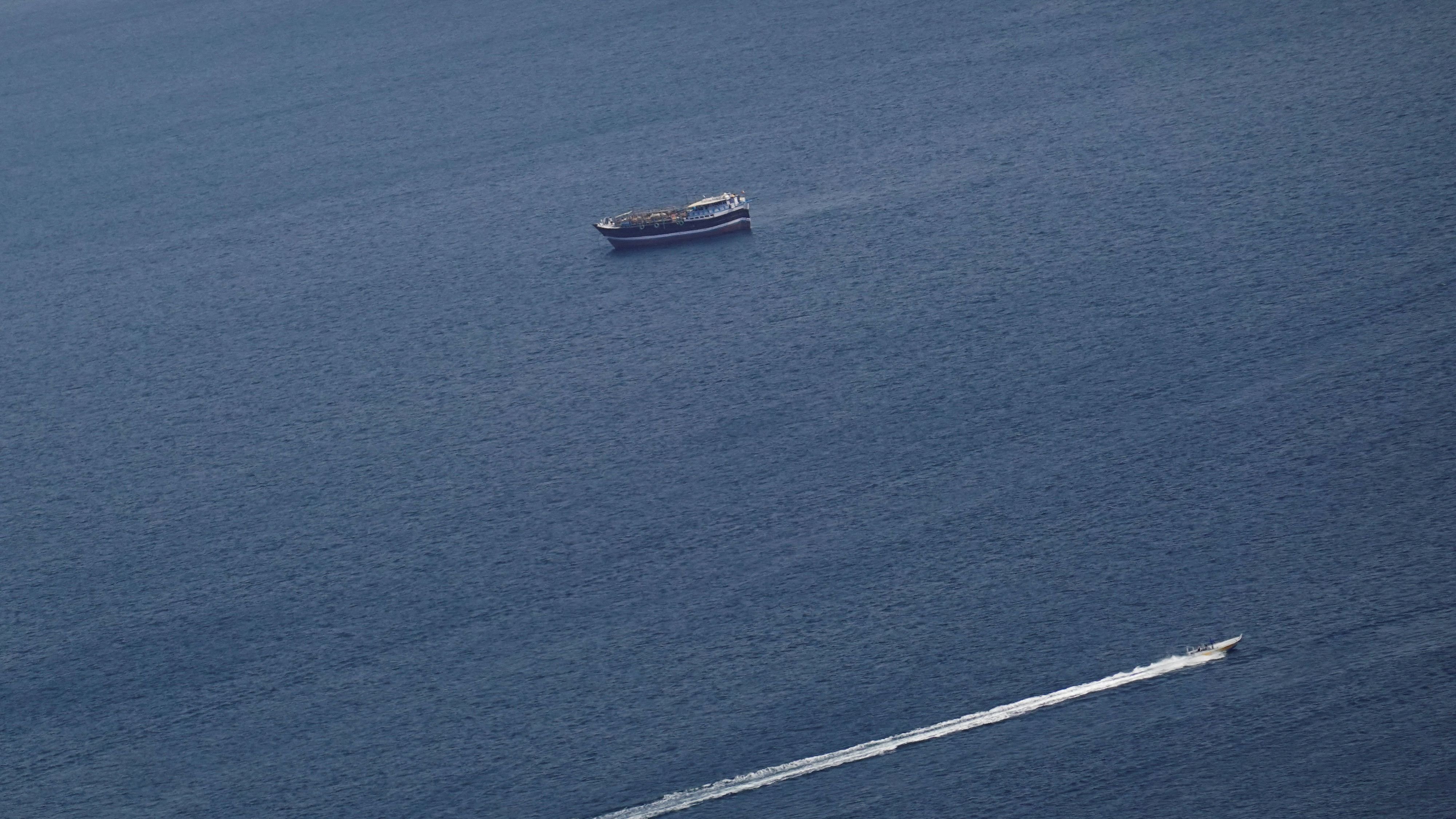
The global economy is currently staring down the barrel of a systemic energy collapse. The Strait of Hormuz is not just a waterway; it is the jugular vein of the global oil market. Since the end of February, this critical chokepoint has been effectively blocked, severing the primary route for oil leaving the Persian Gulf. When 20% of the world’s oil supply vanishes from the map, the result isn’t just a price hike at the pump—it is a geopolitical earthquake.
The immediate problem is a total breakdown in maritime security. With tankers under attack and the world’s most important oil route closed, businesses are scrambling to find alternative routes that simply do not exist at the necessary scale. For corporations facing these unprecedented supply chain ruptures, securing specialized logistics consultants has shifted from a luxury to a survival requirement.
The Tuesday Deadline: “Power Plant Day”
The tension reached a breaking point this weekend. President Donald Trump, utilizing social media to bypass traditional diplomatic channels, has given Iran until 8:00 P.M. Eastern Time on Tuesday to allow unfettered passage through the Strait. The warning was blunt: if the waterway remains closed, Iran will be “living in Hell.”

This is not a vague threat of sanctions. Trump has specifically targeted Iran’s electric power infrastructure and bridges. The president previously held off on these attacks on March 26 to allow for negotiations, but with those talks showing little sign of progress, the window has slammed shut.
“Tuesday will be Power Plant Day, and Bridge Day, all wrapped up in one, in Iran.”
The stakes are heightened by recent military escalations, including the shooting down of two US warplanes over Iraq. The instability has created a legal and regulatory nightmare for international shipping companies. Many are now turning to international trade law firms to navigate the complex liability and insurance claims arising from war-zone transits.
The OPEC+ Paradox: Symbolic Gains vs. Physical Blockades
In a move that many analysts view as a desperate attempt to signal stability, OPEC+ members—including Saudi Arabia, Russia, Iraq, the UAE, Kuwait, Kazakhstan, Algeria, and Oman—agreed on Sunday to increase oil output quotas by 206,000 barrels per day for May. On paper, it looks like a relief valve. In reality, it is a symbolic gesture.
The fundamental issue is that the OPEC+ output agreements are meaningless if the oil cannot leave the port. Key members like Saudi Arabia, the UAE, Kuwait, and Iraq are physically unable to raise production and export it given that the Strait of Hormuz remains blocked. The increase represents less than two percent of the supply already disrupted by the closure.
The OPEC+ statement admitted that restoring damaged energy assets is both costly and time-consuming. While the pledge signals a readiness to flood the market once the waterway reopens, it does nothing to lower the US crude price surges happening in real-time.
The Grim Barrel Math
The financial toll of this disruption is staggering. We are not talking about temporary fluctuations; we are talking about a permanent loss of millions of barrels of energy. The delta between current supply and global demand is creating a vacuum that is pulling prices upward with violent speed.
Data from TD Securities and Rapidan Energy illustrates the scale of the disaster:
| Metric | TD Securities Projection (End of April) | Rapidan Energy Projection (End of June) |
|---|---|---|
| Total Net Loss | Nearly 1 Billion Barrels | 630 Million Barrels |
| Crude Oil Loss | 600 Million Barrels | Included in Total |
| Refined Products Loss | 350 Million Barrels | Included in Total |
Ryan McKay, senior commodity strategist at TD Securities, noted that as the conflict extends deep into April, the “barrel math becomes increasingly grim.” This volatility has forced hedge funds and industrial manufacturers to seek out commodity trading experts to hedge against a potential spike that could push crude well beyond the $114 mark.
Cracks in the Blockade
Despite the overarching gloom, there are small, tactical shifts in the Strait. Iran has recently signaled a willingness to allow transit for ships tied to nations that are not directly allied with the US and Israel. This is a calculated move to divide the international coalition.
On April 2, two very large crude carriers (VLCCs) carrying non-Iranian crude managed to leave the Mideast Gulf—the first such shipments since the war began on February 28. Iran has indicated it may exempt neighboring Iraq from vessel passage restrictions. These are not signs of peace, but rather signs of Iran using the Strait as a political lever, granting passage to some while keeping the rest of the world in the dark.
The Iran infrastructure threats remain the primary driver of market sentiment. If Tuesday’s deadline passes without a resolution, the “Power Plant Day” strikes could trigger a secondary shockwave, potentially disabling Iran’s internal energy grid and further complicating any future efforts to restart oil exports.
The world is currently operating on borrowed time and depleted stockpiles. As we approach Tuesday at 8:00 P.M. Eastern Time, the global economy is essentially holding its breath. The resolution of this crisis will not be found in symbolic quotas or social media posts, but in the hard reality of maritime control. For those caught in the crossfire of this energy war, the only path forward is through rigorous risk mitigation and the guidance of verified professionals who understand the intersection of geopolitics and global trade. The World Today News Directory remains the essential resource for connecting with the experts capable of navigating this volatility.