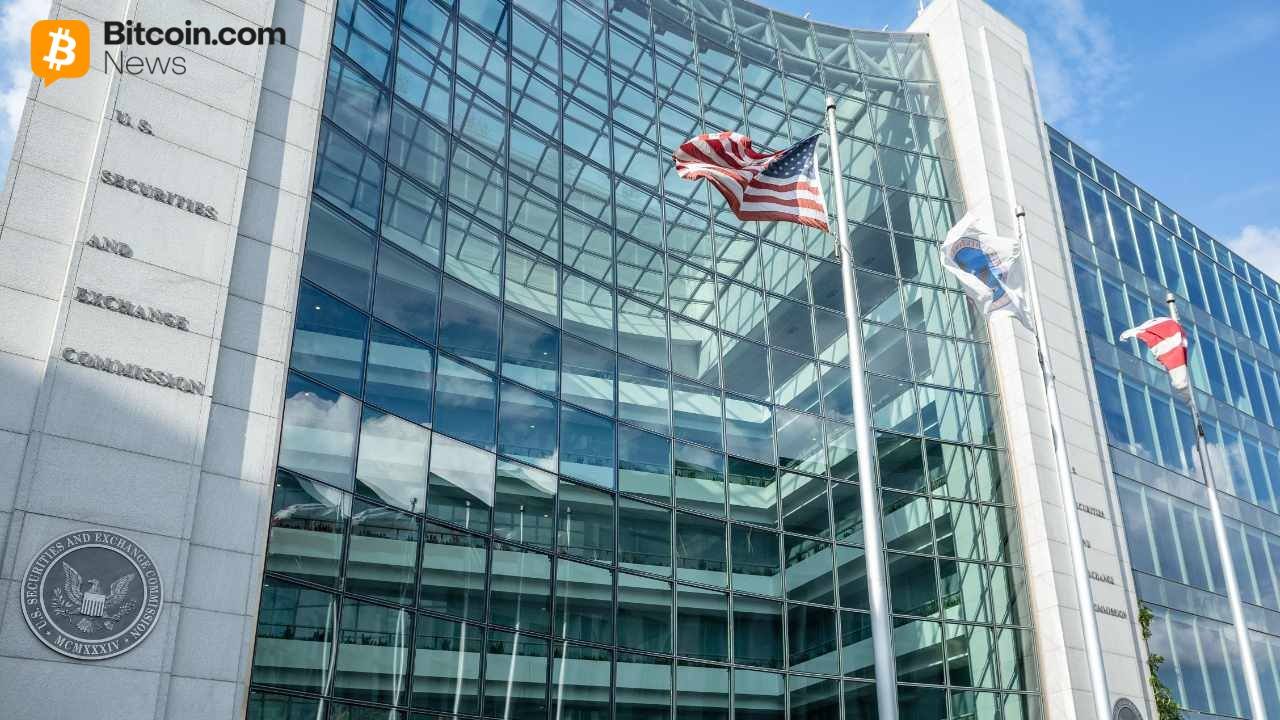
Ondo Finance Advances Blockchain-Integrated Registry for Regulated Securities
Ondo Finance is attempting to dismantle the legacy T+2 settlement bottleneck by pushing for a blockchain-integrated registry model. By seeking SEC exemptions to bring tokenized stocks and ETFs into a regulated framework, they are moving beyond the “crypto-native” sandbox and directly challenging the plumbing of traditional finance (TradFi).
The Tech TL;DR:
- Infrastructure Shift: Moving from fragmented brokerage accounts to on-chain tokens (via Ondo Global Markets) for 24/7 access to U.S. Stocks and ETFs.
- Institutional Weight: Partnering with Franklin Templeton ($1.7 trillion AUM) to provide the underlying investment products and education for digital users.
- Market Scale: Operating with a Total Value Locked (TVL) of $3.55 billion and a market capitalization of $1.21 billion as of April 2026.
The core friction in modern securities trading isn’t the trade execution—it’s the settlement. The current reliance on centralized intermediaries creates a latency gap that is unacceptable in a high-frequency, digital-first economy. Ondo Finance’s strategy centers on “Ondo Global Markets,” a platform designed to issue tokens backed by real-world assets (RWA). These tokens track the value of publicly traded stocks and exchange-traded funds, allowing the asset to live in a digital wallet rather than a closed brokerage silo.
This transition to a blockchain-based registry isn’t a simple UI update; it is a fundamental rewrite of the ledger. For enterprise IT and fintech architects, this means shifting from database-driven account balances to smart contract-driven ownership. But, moving these assets on-chain introduces significant surface area for systemic risk. The shift requires rigorous blockchain auditors and smart contract security firms to ensure that the tokenization logic cannot be exploited to mint unbacked assets or freeze liquidity during a network congestion event.
The Architecture of Tokenized Real-World Assets
Ondo’s ecosystem, based in the Cayman Islands and founded in 2022, utilizes a bridge between traditional custody and blockchain rails. The deployment of assets like USDY and OUSG demonstrates a move toward “institutional-grade” finance. The technical objective is to allow users to gain exposure to U.S. Markets without the friction of opening traditional brokerage accounts, effectively treating a stock share as a programmable token.
The partnership with Franklin Templeton, announced in March 2026, provides the necessary liquidity and product depth. While Ondo handles the blockchain infrastructure and token issuance, Franklin Templeton supplies the actual investment products. This division of labor addresses the “trust gap” in RWA; the blockchain provides the transparency and speed, while the $1.7 trillion asset manager provides the regulatory and custodial credibility.
For developers interacting with these assets, the shift moves the interaction layer from proprietary banking APIs to standardized blockchain protocols. Verification of these assets typically occurs via explorers like Etherscan, where the token contracts are hosted. To interact with such a system, a developer wouldn’t call a REST API for a trade; they would execute a transaction against a smart contract.
// Example: Mock cURL request to a blockchain indexer to verify RWA Token Balance curl -X GET "https://api.blockchain-indexer.io/v1/account/0x742d35Cc6634C0532925a3dAaB33E819талия/balances" -H "accept: application/json" -H "X-API-KEY: YOUR_API_KEY" // Expected Response: // { "asset": "ONDO_STOCK_TOKEN", "balance": "150.00", "underlying": "S&P 500 ETF" }Tech Stack & Alternatives Matrix
Comparing the Ondo Global Markets approach to traditional brokerage systems reveals a stark difference in settlement logic and accessibility. The following table breaks down the architectural divergence.
| Feature | Traditional Brokerage (TradFi) | Ondo Global Markets (RWA) |
|---|---|---|
| Settlement Cycle | T+1 or T+2 (Delayed) | Near-Instant (On-chain) |
| Market Access | Exchange Hours (9:30-4:00 EST) | 24/7/365 |
| Custody | Centralized Broker/Custodian | Digital Wallets / Institutional Custody |
| Ownership Record | Private Database (Ledger) | Public/Permissioned Blockchain |
| Entry Barrier | KYC/Account Opening Process | Wallet Integration + Compliance Layer |
While the tokenized model offers superior latency, it introduces a new layer of regulatory complexity. Per the official documentation on Ondo’s Global Markets, these tokens have not been registered under the US Securities Act, which is precisely why the push for SEC exemptions is critical. Without this regulatory cover, the “blockchain registry” remains a parallel system rather than a replacement for the primary market.
This regulatory ambiguity creates a massive demand for specialized compliance consultants who can bridge the gap between the SEC’s legacy requirements and the automated nature of smart contracts. If the code is the law, the code must be written to automatically enforce KYC/AML restrictions at the protocol level, rather than as an afterthought in the UI.
The Scalability Bottleneck: Liquidity vs. Regulation
The primary risk in the Ondo model isn’t the blockchain’s throughput—which is handled via scalable layers—but the liquidity of the underlying assets. If a massive sell-off occurs on-chain at 3:00 AM on a Sunday, the underlying traditional assets (stocks/ETFs) cannot be liquidated until the markets open on Monday. This creates a potential “de-pegging” risk where the token value diverges from the NAV (Net Asset Value) of the underlying security.
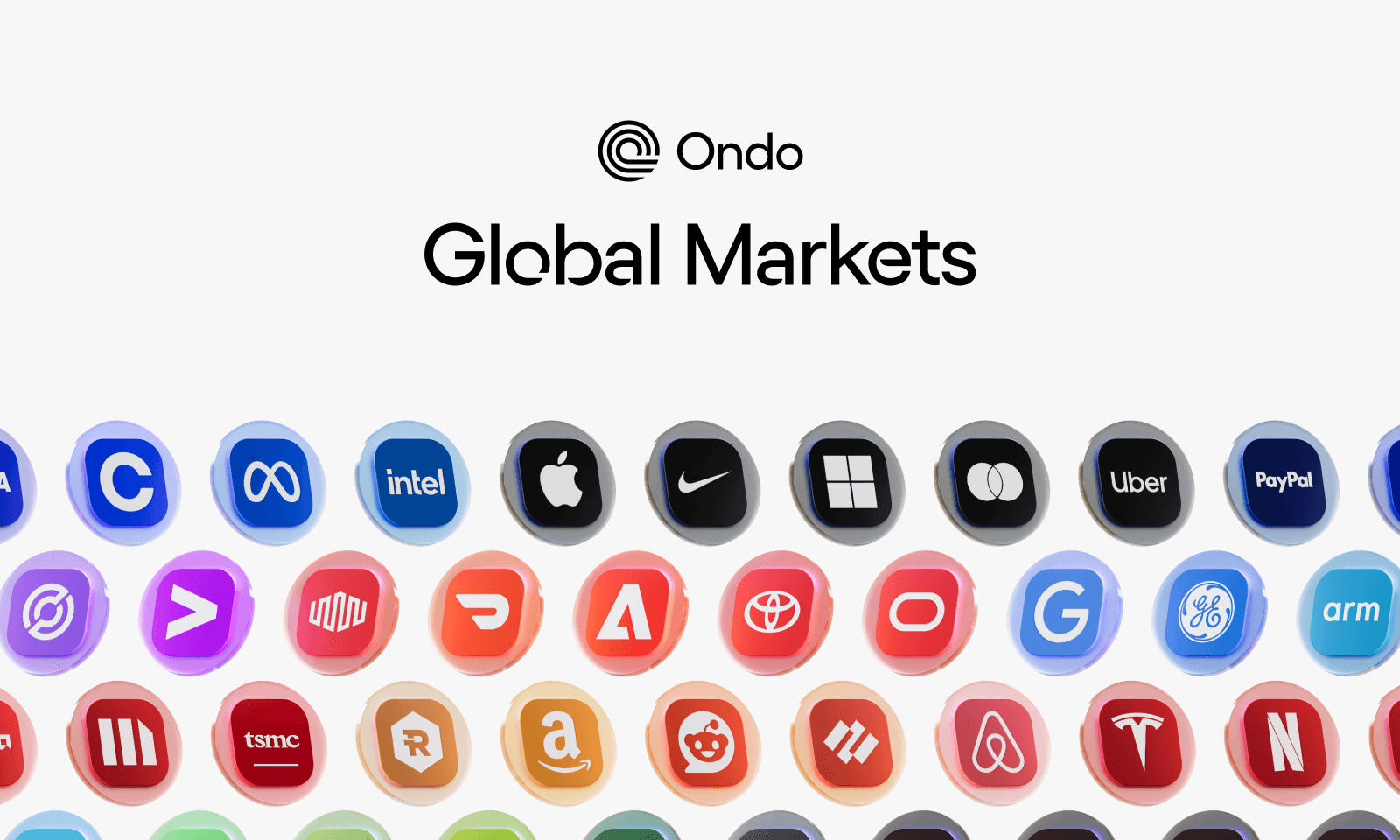
To mitigate this, Ondo and Franklin Templeton are implementing education programs for crypto-native users. The goal is to shift the user mindset from the volatility of meme-coins to the long-term portfolio strategies of traditional asset management. This is a necessary psychological patch for a user base accustomed to instant gratification and extreme leverage.
From a systems perspective, this is essentially a problem of state synchronization. The blockchain represents the “fast state” (the token), while the traditional custodian represents the “slow state” (the actual share). Maintaining parity between these two states requires a robust oracle network and a fail-safe mechanism to handle discrepancies during market closures.
As enterprise adoption scales, the focus will shift from “can we tokenize this?” to “how do we secure the bridge?” The integration of RWA into blockchain is the final step in the financialization of everything. For the CTOs and architects managing this transition, the priority must be the hardening of the endpoints. Companies are already deploying penetration testers and SOC 2 compliance auditors to ensure that the bridges between TradFi vaults and on-chain tokens do not become the primary attack vector for the next generation of financial exploits.
The trajectory is clear: the siloed brokerage account is a legacy artifact. The future is a unified, programmable ledger where ownership is fluid and markets never sleep. Whether the SEC provides the necessary exemptions will determine if this remains a niche institutional tool or becomes the new global standard for asset ownership.
Disclaimer: The technical analyses and security protocols detailed in this article are for informational purposes only. Always consult with certified IT and cybersecurity professionals before altering enterprise networks or handling sensitive data.