Once Upon a Time in Harlem: Preserving the Legacy of the Harlem Renaissance
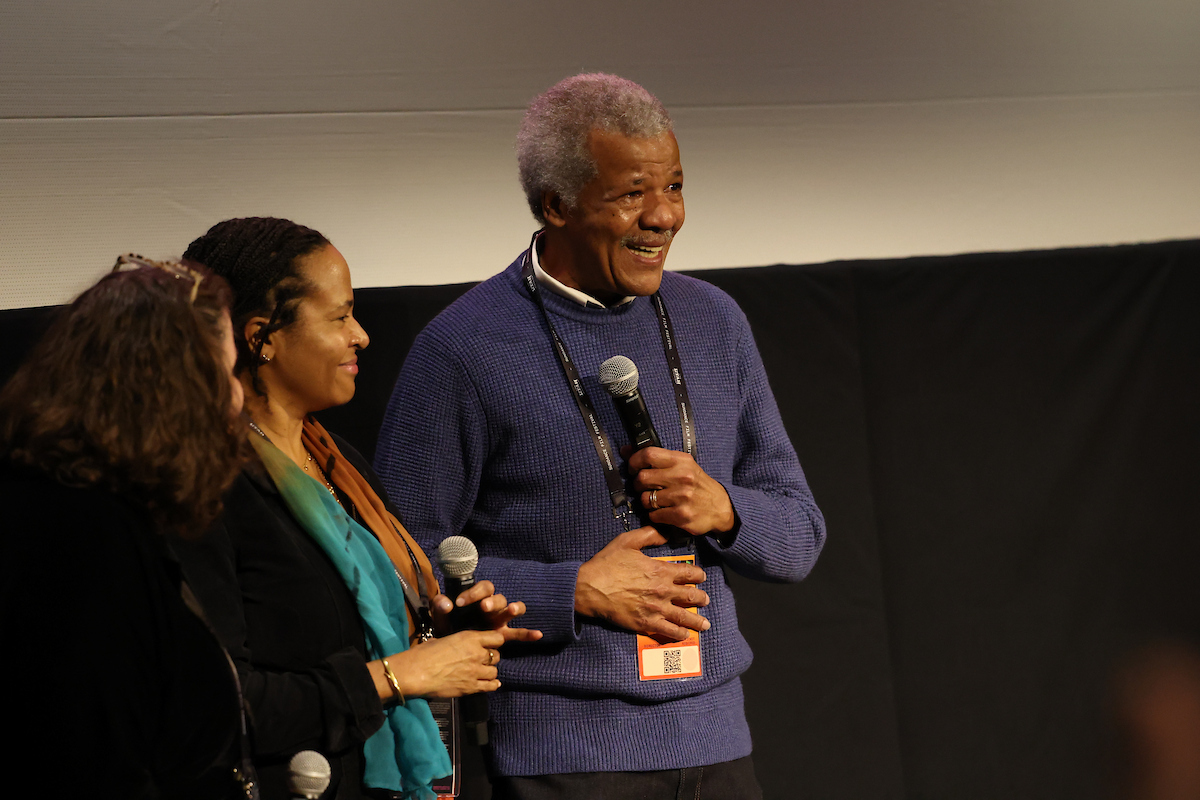
“They filmed it so that you would have something to look to,” Liani Greaves said following the Sundance Film Festival premiere of Once Upon A Time In Harlem, a documentary bringing a legendary 1972 gathering at Duke Ellington’s home to the screen. The historical film, which debuted in the Premieres section at the 2026 Sundance Film Festival on January 25, 2026, in Park City, Utah, captures surviving luminaries of the Harlem Renaissance reflecting on their creative legacies, racial identity, and intellectual heritage, sundance.org reported.
The 1972 Gathering Returns to Its Epicenter
More than half a century after 16mm cameras recorded the afternoon inside Duke Ellington’s residence, the completed project arrived at its cultural epicenter with an exclusive screening on October 14, 2026, at the Studio Museum in Harlem located at 144 W. 125th St., New York, NY, blackenterprise.com reported. Ida Harris reported for Black Enterprise that the special evening was hosted by fashion pioneer Dapper Dan and featured a post-screening Q&A moderated by television personality Bevy Smith.
The original gathering was orchestrated by the late William Greaves, whose career included Symbiopsychotaxiplasm: Take One at the 1992 Sundance Film Festival, Ralph Bunche: An American Odyssey at the 2001 festival, and Symbiopsychotaxiplasm: Take 2½ in 2005, sundance.org reported. Financial constraints forced William Greaves to vault the footage for decades. Following his passing, David Greaves meticulously cataloged and completed the preserved film, co-directing the project alongside his father, blackenterprise.com reported.
Preserving the Intellectual Torch Across Generations
The documentary spans nearly 60,000 feet of film, pieced together by editor Lynn True and editor and producer Anne de Mare, sundance.org reported. Throughout the unscripted record, intellectuals reframe the Harlem Renaissance as a socio-political awakening, relying entirely on the voices of creators analyzing self-expression and cultural memory rather than outside narration, blackenterprise.com reported.

“This film isn’t just nostalgia; it’s an intellectual torch passed directly from one generation of creators to the next,” David Greaves said in the official press kit, according to blackenterprise.com. Following the Park City premiere, an audience member asked David Greaves about lessons from the film that apply to current national turbulence. “Their artistic reaction was to collaborate, and in that collaboration, find the strength to combat,” David Greaves said, according to sundance.org.
Co-director and producer Liani Greaves expanded on that theme during the Sundance discussions. “Art comes out of a community and audaciousness,” Liani Greaves said in a press statement noted by blackenterprise.com. “As Romare Bearden notes in the film, these are the foundational messages. The time is now, and this footage was meant for us in this exact moment.” Anne de Mare shared a similar sentiment from the editing room, telling sundance.org, “This film really taught me a lot about service and collaboration and that we have to look at what collectively we need to accomplish, not individually what we want to accomplish.”