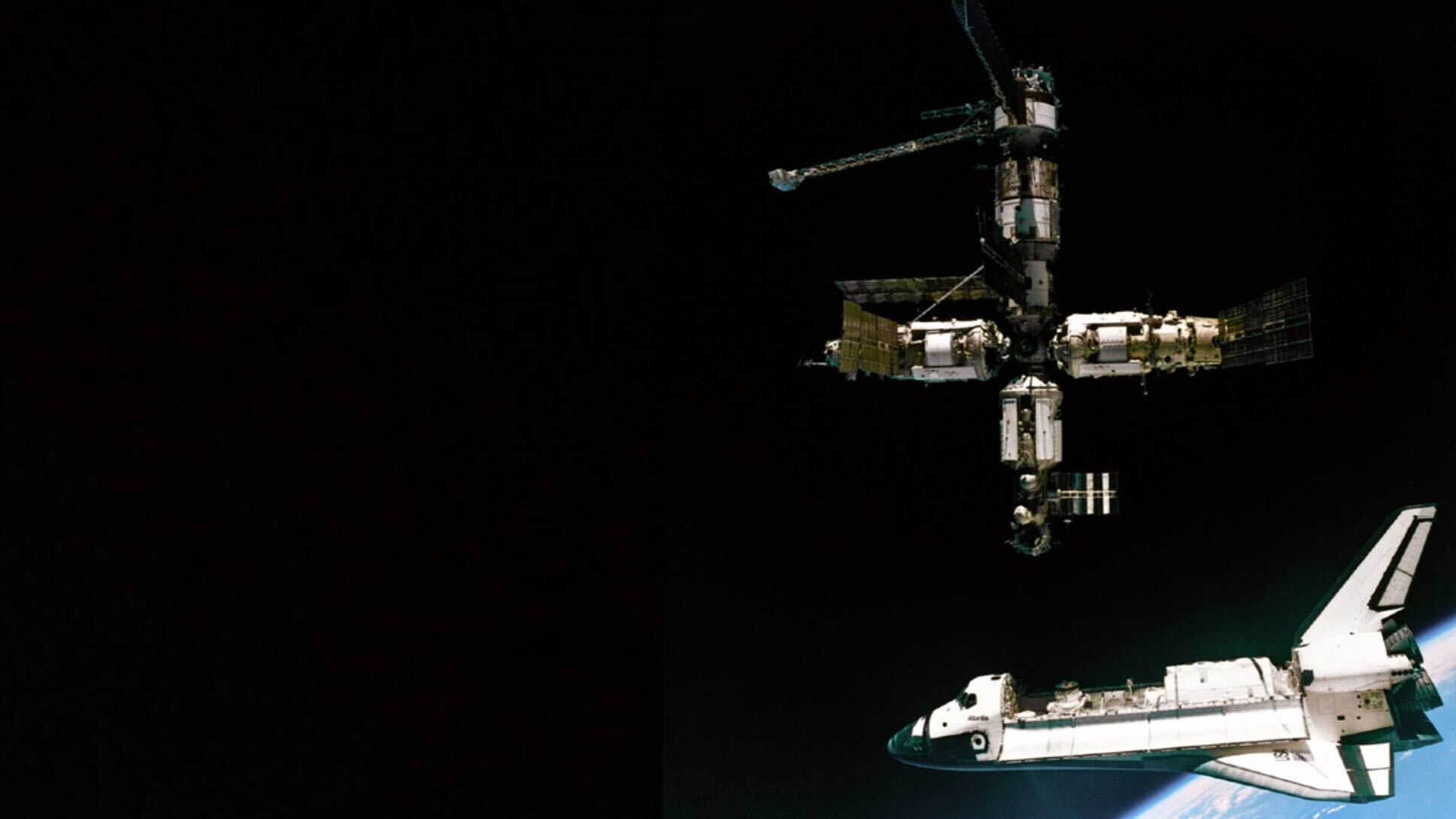
On Oct. 6, 1992, US and Russia signed Human Spaceflight Agreement, Space says
The 1992 U.S.-Russia Space Agreement That Launched Decades of Orbit Cooperation
On October 6, 1992, the United States and Russia signed the Agreement on Human Spaceflight Cooperation, formally establishing the framework for joint missions that eventually bridged decades of geopolitical divides in low Earth orbit, Space reported. This pact directly laid the groundwork for the Shuttle-Mir Program, which later paired American space shuttles with the Russian space station.
The Tech TL;DR:
- The 1992 accord initiated joint human spaceflight operations between the U.S. and Russia.
- It set up the Shuttle-Mir program, which sent seven American astronauts to live on Mir from 1994 to 1998 across 10 space shuttle missions.
- The diplomatic framework directly expanded into the International Space Station, connecting over 15 countries under joint operational oversight.
NASA Shuttle Missions Visit Mir Before Its Deorbit
Following the 1992 signing, the cooperative effort moved into active flight deployment. Between 1994 and 1998, 10 NASA space shuttle missions visited the Mir space station, carrying seven American astronauts for extended stays. Throughout its 13 years in orbit, Mir hosted 125 cosmonauts and astronauts hailing from 12 different countries before the station was deliberately deorbited on March 23, 2001, burning up in Earth’s atmosphere with surviving debris descending into the Pacific Ocean.
Transitioning to the International Space Station Consortium
Just one year after the initial 1992 agreement went into effect, Russia joined NASA to establish what evolved into the International Space Station, scaling the bilateral framework into a multilateral engineering project to construct the largest single crewed spacecraft in orbit. NASA, Russia’s Roscosmos, and three additional space agencies representing Japan, Canada, and Europe currently oversee operations involving more than 15 nations. Russia launched the first component of the International Space Station in 1998, while American astronauts continue to utilize the Russian Soyuz spacecraft for international crew transport to this day.