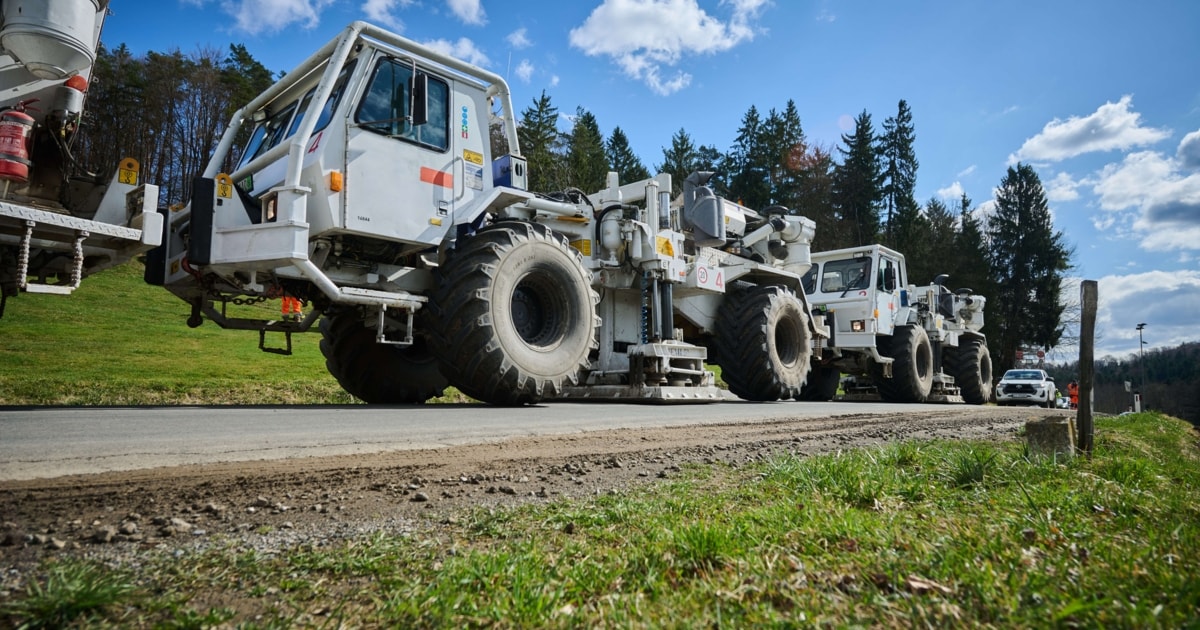
OMV and Energie Steiermark Project to Supply Half of Graz District Heating by 2037
OMV and Energie Steiermark are developing a deep geothermal energy project in Graz, Austria, aiming to supply 50% of the city’s district heating requirements by 2037. The initiative utilizes high-temperature water from deep underground to reduce carbon emissions and stabilize long-term heating costs for the regional municipality.
The transition to deep geothermal energy addresses a critical vulnerability in Graz’s energy grid: the reliance on volatile fossil fuel markets. As the city pushes toward climate neutrality, the sheer scale of heating a metropolitan area requires a baseload power source that does not fluctuate with the weather, unlike wind or solar. This project represents one of the most ambitious geothermal undertakings in Central Europe.
How does the Graz geothermal project function?
The project relies on “deep geothermal” technology, which differs from shallow heat pumps by tapping into reservoirs kilometers below the earth’s surface. OMV and Energie Steiermark are drilling to reach these high-temperature aquifers, where water is pumped to the surface, the heat is extracted for the district heating network, and the cooled water is reinjected into the ground to maintain pressure and sustainability.
According to the project specifications, the goal is to cover half of the city’s heating demand by 2037. This requires a massive expansion of the existing City of Graz infrastructure. The technical challenge lies in the geological composition of the Styrian basin, which requires precise drilling to avoid seismic instability while maximizing heat yield.
For property owners and municipal planners, this shift necessitates a complete overhaul of building connections. Integrating old boiler systems into a high-efficiency district network often requires specialized energy consultants and certified [HVAC Engineering Firms] to ensure compatibility with the new thermal gradients.
What are the economic and environmental stakes?
The partnership between OMV, a major energy player, and Energie Steiermark, the regional utility, combines corporate capital with local grid expertise. By shifting to geothermal, Graz reduces its dependence on natural gas imports, a strategic priority for the Austrian government following the energy crises of recent years.

The environmental impact is immediate: deep geothermal energy produces virtually no CO2 during operation. However, the upfront capital expenditure is immense. The project’s success depends on the “flow rate” of the geothermal water; if the heat yield is lower than projected, the cost per kilowatt-hour could rise, impacting municipal budgets.
The scale of this construction involves significant urban disruption. As drilling rigs move into the city and pipelines are laid beneath historic streets, the city must manage complex zoning laws and environmental permits. This is where developers and city officials rely on [Environmental Law Specialists] to navigate the regulatory requirements of the Austrian Mining Act.
- Target Date: 2037
- Primary Objective: 50% of Graz’s district heating demand
- Key Partners: OMV and Energie Steiermark
- Energy Source: High-temperature deep geothermal aquifers
Why is this a “heating revolution” for Styria?
Most geothermal projects in Austria have historically been small-scale or focused on individual buildings. The Graz project is a systemic shift. It treats the earth’s crust as a giant battery that can power an entire city’s radiators and hot water systems regardless of the season.
This move aligns with the broader Austrian Climate Protection Act, which mandates strict reductions in greenhouse gases. By decarbonizing the heating sector—one of the hardest to transition—Graz is positioning itself as a blueprint for other European cities like Vienna or Munich.
However, the transition is not seamless. The “last mile” of heating—getting the heat from the main artery into old apartment blocks—often reveals crumbling pipes and inefficient insulation. Residents are increasingly seeking [Energy Efficiency Auditors] to optimize their interiors before the geothermal heat arrives, ensuring that the new energy isn’t wasted through leaky walls.
What risks remain for the 2037 deadline?
Geothermal drilling is inherently speculative. Even with advanced seismic imaging, there is always a risk of “dry holes” or insufficient temperature yields. If the first few wells do not meet the expected thermal output, the 2037 timeline could slip, or the cost of the project could balloon.

There is also the matter of induced seismicity. While rare in the specific geological context of Graz, the process of injecting water back into the earth can cause micro-tremors. This requires constant monitoring by geological surveys to ensure the safety of the city’s structural foundations.
As these industrial activities intensify within urban limits, the intersection of public safety and corporate liability becomes paramount. Municipalities and private landowners are increasingly engaging [Commercial Real Estate Attorneys] to draft indemnity agreements and ensure that subsurface rights are clearly defined before drilling commences.
The transition to deep geothermal energy is more than a technical upgrade; it is a complete reconfiguration of how a city breathes and stays warm. Whether Graz hits the 50% mark by 2037 depends on the synergy between geological luck and engineering precision. For the citizens of Graz, the promise is a future where the heat is invisible, sustainable, and independent of foreign pipelines. Finding the right [Certified Technical Consultants] to bridge the gap between these massive utility projects and individual home systems will be the final, critical step in this urban evolution.