Omroep Brabant: Frans Kapteijns highlights unusual natural discoveries
Forestry worker Frans Kapteijns highlighted a series of unusual natural discoveries across the Netherlands, featuring everything from tiny glass-like land snails to a parasitic tree fungus capable of dyeing wool and textiles, Omroep Brabant reported on October 11, 2026.
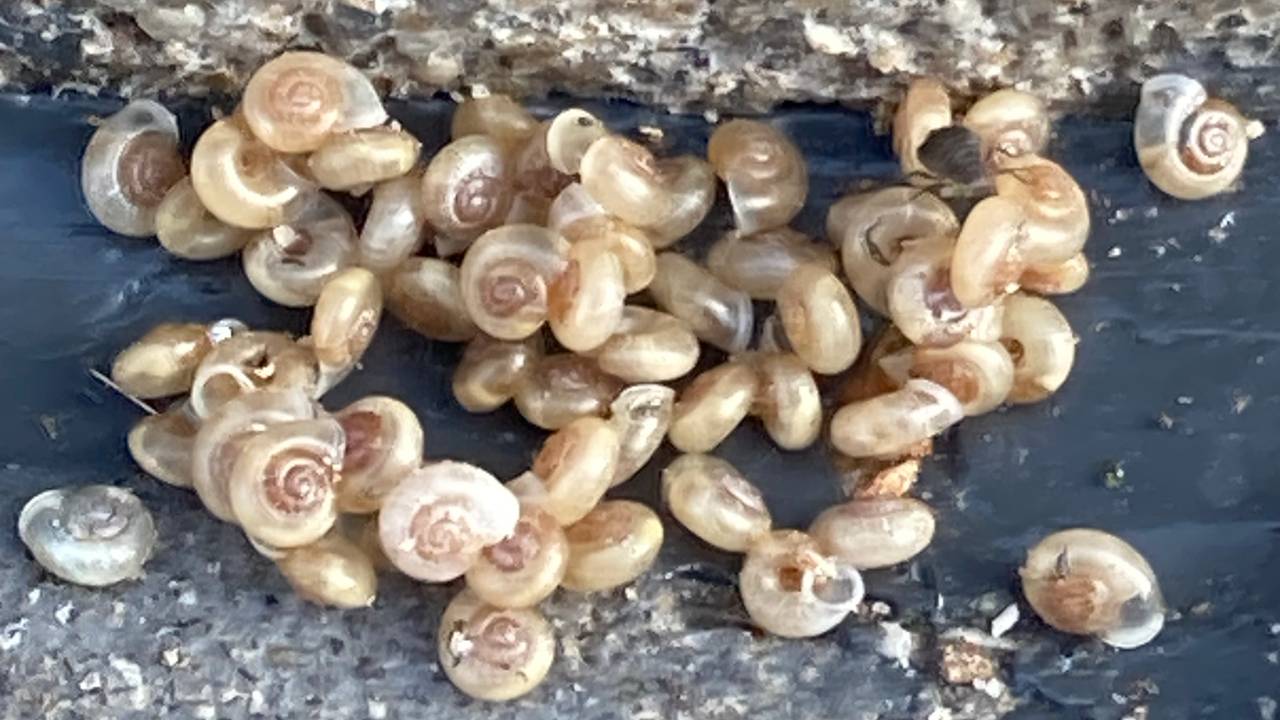
Glass Snails Feature Transparent Shells and Glossy Colors
Nature enthusiast Mieke van den Hurk documented numerous tiny land snails featuring extremely thin, transparent shells measuring a maximum of six millimeters, according to Omroep Brabant. These translucent glass snails possess a glossy greenish or light-brown shell while their bodies range from grey to black. As the snail crawls, it stretches part of its soft body, known as the mantle, over the exterior of its shell like a small jacket. They inhabit both damp and dry environments across coniferous and deciduous woods, meadows, walls, and dunes, consuming withered leaves, decaying plants, and carrion. Because they tolerate cold temperatures well and remain active through the winter months, English speakers often refer to them as winter semi-slugs.
Rare Fungal Regeneration on Conifers
During a woodland walk, Henk Thiele encountered an unusual fungal specimen that Kapteijns identified as a middle-aged pine foot fungus displaying rare regeneration, with multiple fresh fruit bodies sprouting along its outer edge. According to Omroep Brabant’s reporting, this parasitic fungus attacks the roots and base of living conifers like Douglas firs, larches, and Scots pines, triggering a destructive process called brown rot that breaks down the tree’s core wood. Even after a host tree dies, the fungal fruit bodies can persist for years on underground root remnants. As the fungus ages, its color shifts from an initial velvet golden yellow to vos-like brown and finally dark chocolate brown. Globally, these fungal caps remain famous for their ability to dye textiles and wool in natural shades spanning sulfur yellow, warm gold-orange, deep rust brown, and olive green.
Willow Emerald Damselflies Differ from True Dragonflies
Harrie Verweijen submitted a photograph of an insect resembling a dragonfly, which Kapteijns identified as a willow emerald damselfly. Unlike true dragonflies, which possess touching eyes and spread wings at rest, damselflies have widely separated eyes and fold their uniform wings flat above their bodies. These metallic green insects remain active from late June deep into November, with females boring into tree bark during September or October to lay eggs that overwinter before the larvae drop into water in spring. Meanwhile, Vogelwacht Uden announced a free autumn nature walk scheduled for Sunday, October 18, 2026, running from 9:00 a.m. to noon in the Maashorst nature area, where guides will track the ongoing seasonal bird migration.