
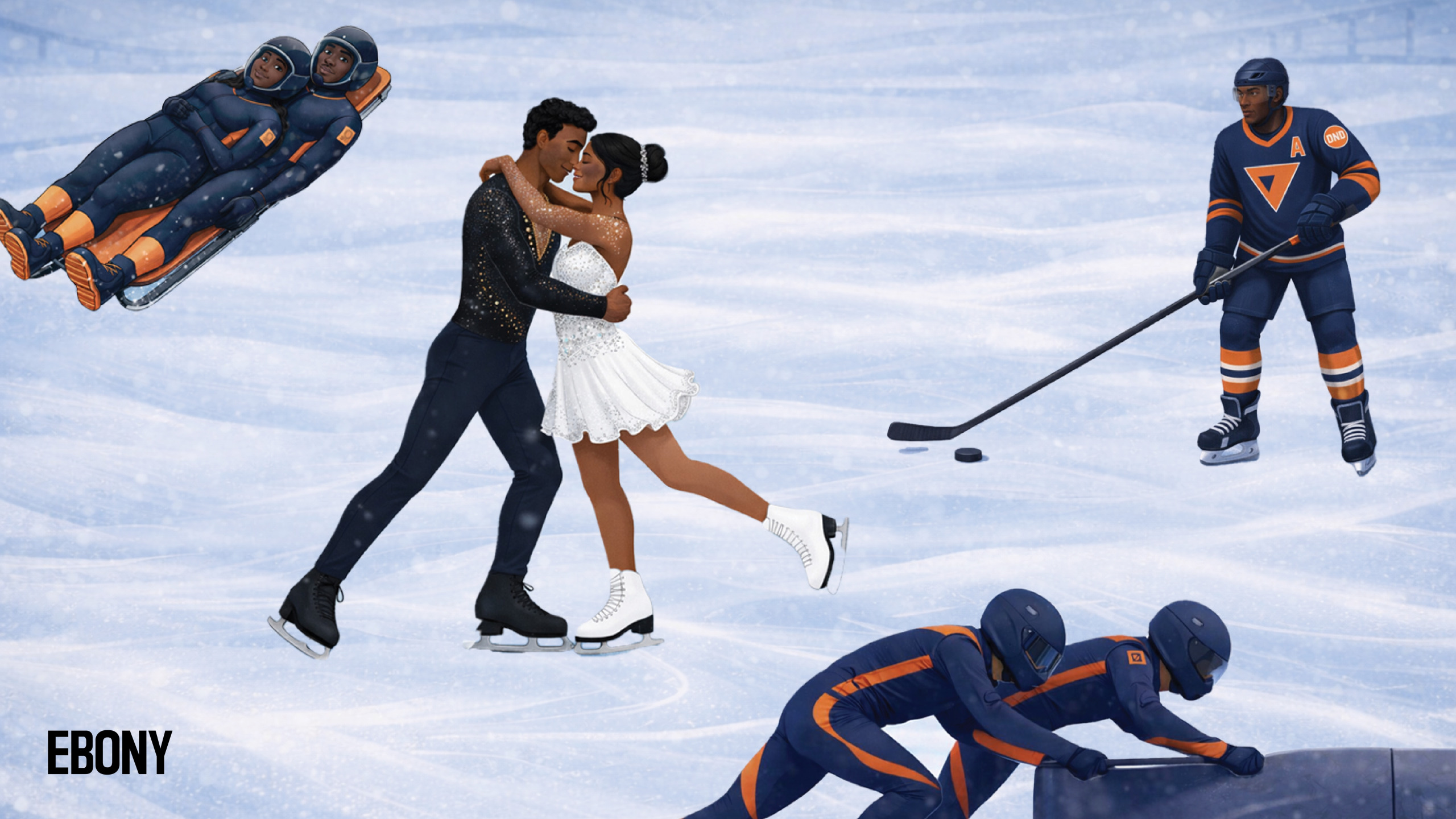
The 2026 Winter Olympics in Milan are underway, and even as athletes are focused on peak performance, a long-held debate about pre-competition routines is resurfacing. For generations, athletes have been cautioned against sexual activity before events, a tradition rooted in ancient beliefs about energy conservation. But a growing understanding of physiology and recovery is challenging that dogma.
The origins of this advice trace back to 4th and 5th century BC Greece, where philosophers like Plato theorized that semen retention increased athletic prowess. Plato’s reasoning, however, appears to have excluded female athletes entirely, a pattern reflecting historical biases in sports and science. This ancient notion has persisted for centuries, shaping training culture and influencing athlete behavior, despite a lack of scientific backing.
The belief that sex depletes energy reserves has been a common refrain in locker rooms for decades. Muhammad Ali famously abstained from sex for extended periods before fights, a practice widely publicized and often emulated. However, modern sports science is beginning to question the validity of such restrictions.
Certified sexologist Adrienne N. Williams, PhD, explains that pleasurable, consensual sex – including masturbation – can offer benefits relevant to athletic performance. These include relaxation, stress reduction, improved sleep, enhanced mood, and even pain relief. These physiological effects can contribute to an athlete’s overall recovery and mental preparedness, potentially enhancing rather than hindering performance.
The 2024 Paris Olympics saw a lifting of the traditional “sex ban” in the Olympic Village, a move signaling a shift in attitudes. Despite the availability of “anti-sex” cardboard beds – initially presented as a deterrent – organizers clarified that their primary purpose was to minimize environmental impact and facilitate equipment reuse. Reports from previous Games, including those from Team GB athlete Matthew Syed who competed in 1992 and 2000, suggest that the Olympic Village has historically been a hub of social activity, including sexual encounters. Syed described the Games as “as much about sex as it was about sport,” noting a pattern of athletes indulging in relaxation and pleasure after intense competition.
The emphasis on abstinence may also overlook the importance of individual needs and preferences. Some athletes may uncover partnered sex distracting before a competition, while others may experience a sense of calm and grounding. The key, experts suggest, is to prioritize recovery strategies that work best for the individual.
As the Milan-Cortina Games progress, athletes are likely navigating their own pre-competition routines, informed by both tradition and evolving scientific understanding. Whether they choose to incorporate pleasure into their recovery plans remains a personal decision, but the outdated notion that sex is inherently detrimental to performance is increasingly being challenged.
