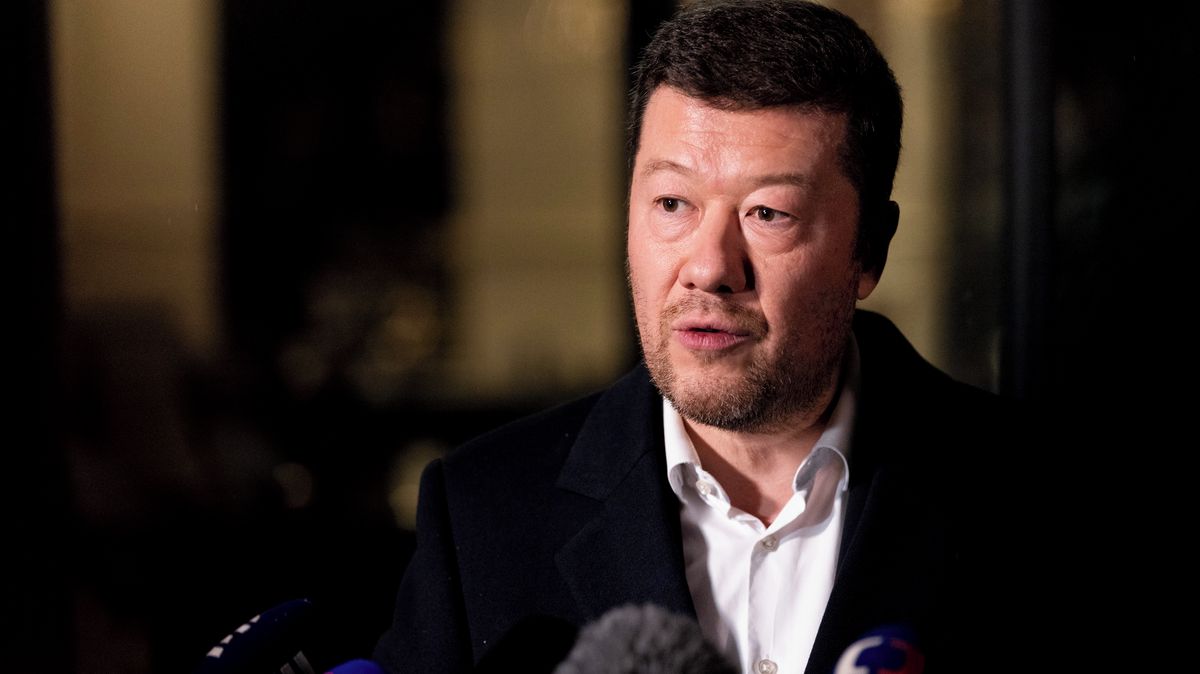
Okamura Pushes for Return to Russian Energy Imports
Tomio Okamura, Chairman of the Chamber of Deputies and leader of the SPD, is proposing that the Czech Republic resume imports of Russian oil and gas to lower energy costs. This proposal faces fierce opposition from coalition partners and economic critics who argue that returning to Russian energy is both unrealistic and economically flawed.
The debate has ignited a fundamental conflict within the Czech government, pitting the immediate desire for lower fuel prices against the long-term strategic goal of energy independence. For years, the nation has methodically dismantled its reliance on Russian raw materials following the invasion of Ukraine. Now, Okamura is calling for what he describes as “reverse diversification.” He argues that lifting sanctions on cheaper Russian oil would provide immediate relief to Czech citizens and businesses struggling with high overheads.
It is a high-stakes gamble with national security.
The Logic of Reverse Diversification
Okamura’s argument rests on a simple premise: cheaper raw materials equal cheaper prices at the pump. During a recent appearance on the program Za pět minut dvanáct, he suggested that the Czech Republic should follow the perceived lead of its neighbors to secure the lowest possible energy prices. He specifically pointed to Austria, claiming the Austrian government had expressed a willingness to resume Russian energy imports once the conflict in Ukraine concludes.

However, this narrative has been sharply contested. The Austrian Ministry of Energy has since issued a formal statement denying that it currently seeks to resume gas imports. While State Secretary Elisabeth Zehetnerová suggested in a Financial Times interview that Brussels should remain open to discussions after the war, the Austrian government explicitly rejected claims that it wants to return to Russian gas now, calling such assertions “untrue” and damaging to serious energy policy debate.
For Czech businesses, this volatility in political direction creates a precarious planning environment. Companies are increasingly relying on strategic business advisors to hedge against energy price swings and navigate the contradictions of current government policy.
The Economic Fallacy: Why Russian Oil Isn’t a Magic Bullet
The central tension of this debate is whether “Russian oil” actually translates to “cheaper gasoline.” Economic analysis suggests the equation is far more complex than Okamura presents. The final price a consumer pays at a gas station is not determined solely by the origin of the crude oil.
Several critical factors dictate the cost of fuel, regardless of where the oil is drilled:
- Global Market Benchmarks: The world price of oil fluctuates based on global demand and OPEC+ decisions.
- Currency Exchange: Since oil is traded in US dollars, the exchange rate between the Czech koruna and the dollar significantly impacts the cost.
- Taxation and Levies: National taxes often make up a substantial portion of the final price.
- Refinery Margins: The profit margins taken by refineries can absorb the benefits of cheaper raw materials.
- State Intervention: Government price caps or subsidies can distort the market.
Evidence from other EU member states supports this skepticism. While Hungary and Slovakia continue to import some Russian oil, this has not automatically resulted in the lowest fuel prices in the region. Reuters has previously highlighted that Hungarian fuel prices remained higher than in some neighboring countries due to specific taxes and market deformations. The Hungarian state had to address the “extraordinary profits” made by the company MOL from the apply of cheaper Russian crude, proving that the savings at the source do not always reach the consumer.
This disconnect highlights a growing demand for corporate transparency. Many industrial firms are now hiring energy efficiency consultants to reduce their baseline consumption rather than hoping for a political shift in supply chains that may never materialize.
The Reliability Gap and Geopolitical Risk
Beyond the economics, the question of trust looms large. Věra Kovářová of the STAN party has reminded the public that Russia has proven to be an unreliable partner. She pointed to the 2019 incident involving contaminated oil and the current isolation of Slovakia as cautionary tales. The argument is simple: energy security is not just about price, but about the certainty of delivery.
“Russia is an unreliable partner—just look at the cut-off Slovakia, the contaminated oil from 2019, and the ongoing war in Ukraine.”
Boris Tomčiak, a manager at Finlord, echoed these concerns, noting that returning to Russian oil would likely not change the overall market situation significantly. The effort to diversify away from Russia over the last three years was a strategic move to prevent energy from being used as a political weapon. Reversing that process would not only be a logistical challenge but a strategic retreat.
Navigating the legal complexities of international sanctions and trade agreements is a minefield for any entity attempting to pivot their supply chain. Many firms are consulting trade law specialists to ensure their energy procurement remains compliant with European Union mandates and international law.
A Divided Government
The internal friction is palpable. While the SPD is one of the government parties, it finds itself isolated on this issue. Both the ANO movement and the Motorists have refused to support the proposal, stating they will not support a country that initiated the war in Ukraine. Vice Premier Karel Havlíček has been blunt, labeling the idea of “cheap Russian oil” as unrealistic.
The clash is no longer just about economics; it is about the “cost of morality.” Critics argue that Okamura is offering a short-term financial bandage at the expense of long-term national sovereignty.
As the Czech Republic continues to navigate this energy transition, the divide between those seeking immediate relief and those prioritizing strategic security will only widen. The reality is that We find no shortcuts to energy independence. The companies and citizens who survive this transition will be those who stop looking for a “cheap” savior and instead invest in systemic efficiency and verified, stable partnerships. Finding the right professionals to guide this transition is no longer optional—it is a necessity for survival in an era of weaponized resources.