
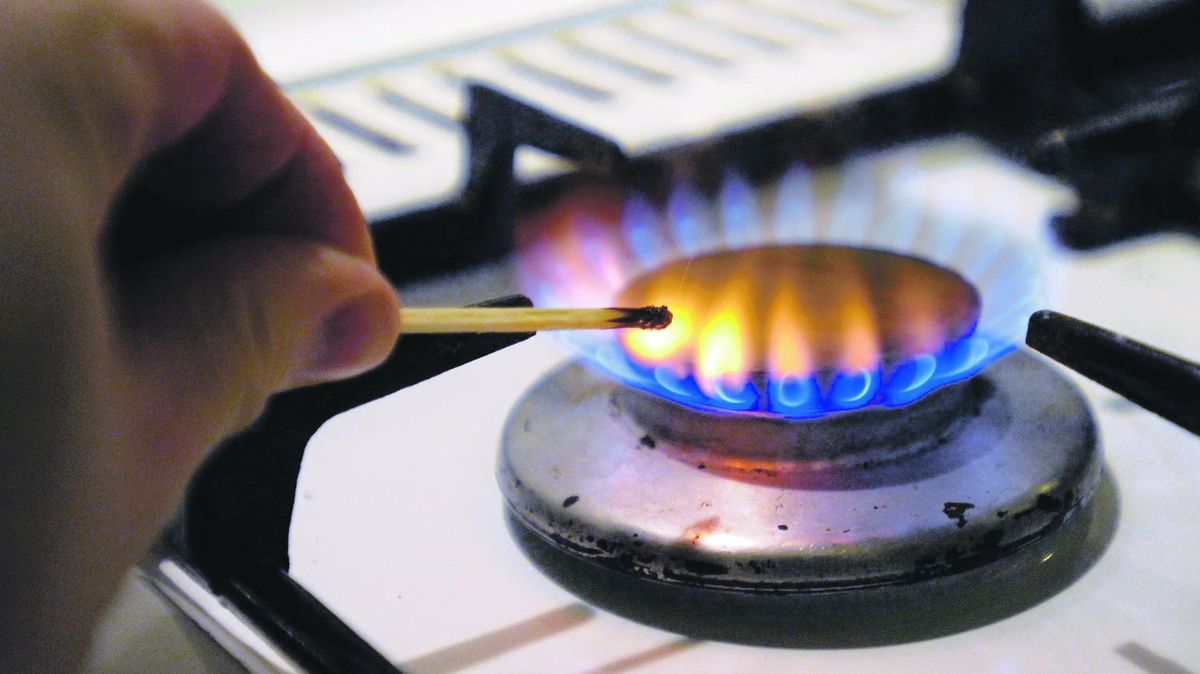
Oil and Gas Prices Surge Following Iran Conflict Impact on Households
Following a sharp escalation in Middle East tensions involving US and Israeli strikes on Iranian infrastructure, European household gas prices are projected to surge by 10% to 20% over the next fiscal year. Even as immediate spot market volatility is driven by supply chain disruptions in the Strait of Hormuz, the long-term fiscal impact hinges on corporate hedging strategies and the divergence between rigid oil markets and flexible gas demand. Investors and consumers alike must navigate a landscape where energy procurement has shifted from a utility cost to a critical balance sheet risk.
The market reaction to the recent kinetic events in the Persian Gulf was instantaneous. Oil prices spiked, dragging gasoline and diesel costs up with them, but the natural gas market is playing a slower, more insidious game. Only Innogy has publicly signaled a price hike so far, but the dominoes are falling. This isn’t just about the pump at the station; it’s about the ledger at home.
For the corporate sector, this volatility creates a distinct fiscal problem: unpredictability in operational expenditure (OpEx). When energy costs swing by double digits, margins evaporate. This represents where the role of specialized energy procurement consultants becomes non-negotiable. They don’t just buy gas; they structure the financial architecture to absorb these shocks before they hit the P&L statement.
The Divergence of Oil and Gas Elasticity
There is a fundamental disconnect in how the market prices these two commodities right now. Oil is inelastic. You cannot simply stop driving since the price of Brent Crude jumped. Demand remains stubborn, forcing prices higher. Gas, however, faces competition. In the European Union, gas is still fighting a war for market share against coal and, increasingly, electrification.
Michal Macenauer, a senior strategist at the EGU consultancy in Brno, points out that gas consumption for electricity generation can drop by 10% to 15% if prices get too hot. The market reacts. This elasticity acts as a natural ceiling, preventing the kind of runaway inflation we saw in 2022. But for the next twelve months, the ceiling is higher than anyone likes.
“We are seeing a decoupling of physical supply fears from financial reality. The Strait of Hormuz disruption affects only 5% of global flow, yet the risk premium is pricing in a total blockade. This is a classic arbitrage opportunity for firms with robust commodity risk management frameworks in place.”
That quote comes from a recent briefing by a senior portfolio manager at a major European asset firm, highlighting the disconnect between panic and data. The physical shortage is manageable; the financial panic is the real cost driver.
Hedging Strategies and the Fixation Trap
Should households and businesses lock in prices now? The consensus among analysts is nuanced. Panic buying is rarely a sound investment strategy. For those with existing 12 to 24-month fixed contracts, the impact is negligible. The pain is reserved for those on variable rates or rolling short-term contracts.
The strategic play here isn’t just about fixing a price; it’s about diversification. Europe has successfully reduced its reliance on Russian pipeline gas from 40% down to roughly 10%. The shift to Liquefied Natural Gas (LNG) offers flexibility that pipelines never could. A pipeline is a hostage situation; LNG is a global market. You can buy it from anywhere.
However, this flexibility comes with a price tag. Arbitrage costs money. As Europe doubles its LNG intake, it exposes itself to global shipping rates and currency fluctuations. This complexity requires sophisticated legal and financial oversight. Large industrial consumers are increasingly turning to corporate energy law firms to renegotiate force majeure clauses and supply agreements that can withstand geopolitical shocks.
Inflationary Pressures and the Green Deal Reality Check
The ripple effect on inflation cannot be ignored. In 2022 and 2023, inflation in Central Europe outpaced the rest of the continent, not just because of energy prices, but because of consumer behavior. Households spent their pandemic savings rather than adjusting their consumption baskets. If that pattern repeats, we are looking at a secondary inflation spike that central banks will struggle to tame.
Meanwhile, the regulatory landscape is shifting under our feet. The original European Green Deal, with its rigid 100% decarbonization targets, is effectively dead. The new reality is a pragmatic 75% to 80% reduction goal. The cost of the final 20% is simply too high, both economically and technically.
Natural gas is no longer just a “transition fuel” destined for the scrap heap by 2035. It is a baseload necessity that will likely persist until the end of the century, albeit with a growing blend of biomethane and hydrogen. The political realization that nuclear energy was prematurely sidelined is also gaining traction, with taxonomy rules being rewritten to accommodate the reality of grid stability.
Industrial Subsidies and Competitive Survival
The government’s move to take over renewable energy surcharges was a necessary fiscal intervention. It lowered inflation slightly but strained the state budget. Now, the focus shifts to energy-intensive industries. Glass, ceramics, and chemicals—sectors where energy comprises 10% to 20% of total costs—are facing existential threats.
Without state aid, these industries face economic liquidation. Germany and Italy are already deploying massive subsidy packages. If the Czech Republic stands aside, it loses 400,000 jobs. This isn’t just social policy; it’s industrial defense. The state must act as a shield against distorted global energy markets.
The trajectory is clear: volatility is the new normal. The era of cheap, stable energy is over, replaced by a market defined by geopolitical risk premiums and logistical bottlenecks. For businesses, the solution lies not in waiting for prices to drop, but in restructuring how energy is procured, managed, and legally protected.
As we move through Q2 and into the summer of 2026, the companies that survive will be those that treat energy not as a utility bill, but as a strategic asset class. For those looking to fortify their position against the next shockwave, the World Today News Directory offers a curated list of vetted partners capable of navigating this complex terrain.