
Central Ohio’s Housing Crunch: Affordability and Growth Concerns
Columbus, Ohio, is experiencing a building boom reminiscent of the pre-Great Recession era. However, this rapid growth is raising concerns about affordability, equity, and the long-term sustainability of development in one of the nation’s fastest-growing regions.
The Housing Deficit: A Deep Dive
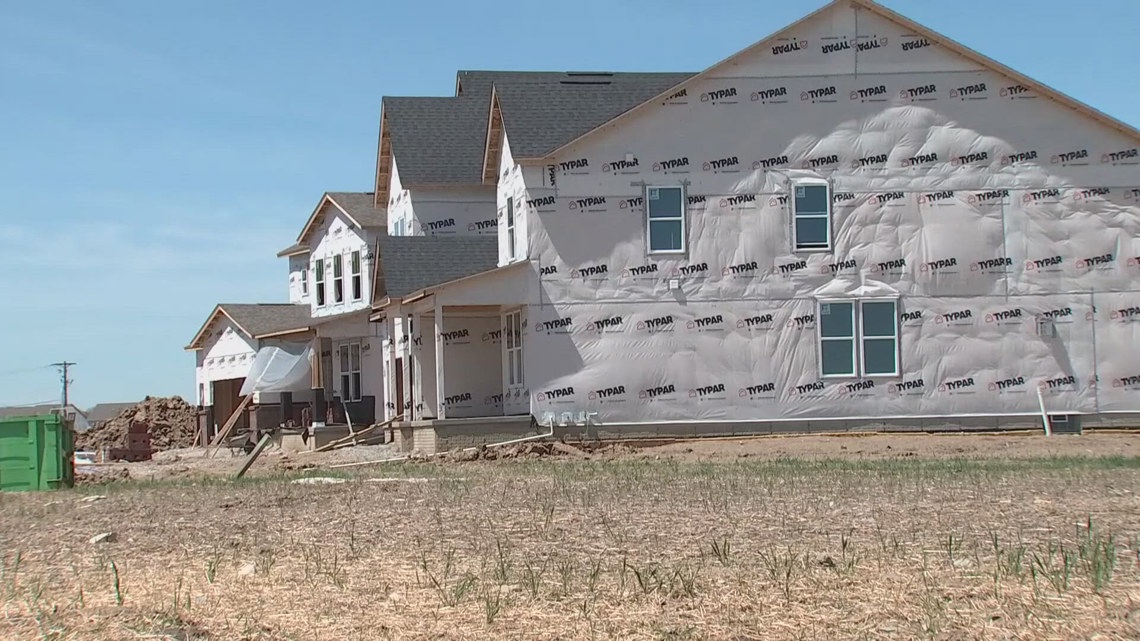
New U.S. Census data indicates that national homebuilder inventory is at its highest level since 2009. Despite the rise of new subdivisions across Franklin and Delaware counties, central ohio faces a notable housing shortage.
Jon Melchi, executive director of the Building Industry Association of Central Ohio, estimates that the region is currently 30,000 to 40,000 homes behind where it needs to be to keep up with its booming population. We’ve been underbuilding consistently since 2009 by about 7,000 homes annually,
Melchi said.
Factors Contributing to the Shortfall
- Local Zoning Restrictions: Zoning regulations limit the type and density of housing that can be built in certain areas.
- Infrastructure Delays: Delays in infrastructure development, such as roads and utilities, can slow down the pace of construction.
- Shrinking Construction Workforce: A shortage of skilled construction workers makes it difficult to build homes quickly and efficiently.
Affordability crisis: A growing concern
The housing shortage is exacerbating affordability issues in central Ohio. According to Melchi, only 46% of residents can afford to purchase an existing home. That’s not good at all,
he added.
McKenna Nankivell, a Grove City homeowner looking to upgrade, shared her experience: We’ve been looking at different areas — Hillard, Dublin, Powell — but it’s so expensive. Some of these houses are $500,000 to $800,000 and still need work. You’re gutting kitchens or ripping up flooring.
New Construction: A Double-Edged sword
For some families, new construction appears to be the better option, even if it’s financially tight. Builders are aggressively offering incentives such as interest rate buy-downs, closing cost assistance, and upgraded appliances to close deals.
Through their financing arms, builders can offer more competitive rates than what’s available in the general marketplace,
Melchi said.
The Risks Ahead
Despite these incentives, the region’s construction costs are rising, driven by global tariffs, inflation, and limited labor. There’s also the growing threat of partially built subdivisions if homes go unsold, which could drive down property values for those who have already bought in.
If we continue to have housing costs outpace wage growth,we’ll become less desirable as a region,and that’s a real threat,
Melchi warned.
Zoning and Infrastructure: The Root of the Problem
melchi emphasized that zoning restrictions and infrastructure bottlenecks are fueling the shortage. This is a self-inflicted wound in central Ohio,
he stated.Most peopel assume Nashville is more expensive than Columbus… But it’s actually $35,000 more to buy a home hear as of the restrictions we’ve placed on ourselves because of our local governments and communities.
The Path Forward
With nearly 90 new people moving to the area daily, Melchi stressed the need to balance growth with smart planning. We should be building between 17,000 and 19,000 homes annually. We built under 11,000 last year.
If building doesn’t ramp up, the area runs the risk of pricing out the families it hopes to attract. There’s not really that many homes available, not turn and key,
Nankivell concluded.
Frequently Asked questions (FAQ)
Why is there a housing shortage in central Ohio?
Local zoning restrictions, infrastructure delays, and a shrinking construction workforce are contributing factors.
How many homes is central Ohio short?
Experts estimate the region is 30,000 to 40,000 homes behind where it needs to be.
What percentage of residents can afford to buy a home?
Only 46% of residents in central Ohio can afford to purchase an existing home.
What can be done to address the housing shortage?
Balancing growth with smart planning,streamlining zoning regulations,and investing in infrastructure are crucial steps.
