
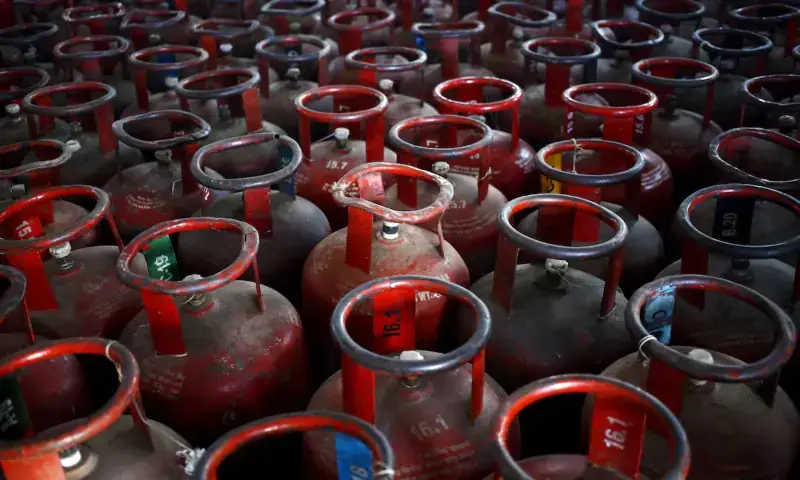
Ogra notifies 35pc increase in LPG rates for April
Pakistan’s Oil and Gas Regulatory Authority (Ogra) announced a substantial 35% hike in Liquefied Petroleum Gas (LPG) prices for April, raising the cost of a standard 11.8kg cylinder by Rs924 to Rs3,588.60. This surge, driven by escalating global market prices and currency fluctuations, impacts household budgets and creates volatility for businesses reliant on LPG, particularly those lacking robust hedging strategies.
The Ripple Effect on Pakistani Households and Industry
The immediate consequence of Ogra’s notification is a direct increase in the cost of living for a significant portion of the Pakistani population. LPG remains a crucial cooking fuel, especially in rural areas and for lower-income households where access to natural gas is limited. This price shock isn’t isolated; it’s a symptom of broader inflationary pressures already straining consumer finances. Beyond domestic leverage, the LPG price hike will impact small businesses – restaurants, bakeries, and local industries – that depend on LPG for operations. These entities, often operating on thin margins, will be forced to either absorb the increased cost, potentially impacting profitability, or pass it on to consumers, further fueling inflation.
Global Market Dynamics and the Saudi Aramco-CP Influence
Ogra’s assessment points to a 44% increase in Saudi Aramco-CP, the benchmark price for LPG contracts, as the primary driver of the domestic price adjustment. While a slight decrease in the dollar exchange rate offered a marginal offset, it was insufficient to counter the substantial increase in the international price. This highlights Pakistan’s vulnerability to global energy market fluctuations. The country is heavily reliant on imported LPG, making it susceptible to price volatility stemming from geopolitical events, supply chain disruptions, and shifts in global demand. The current situation underscores the need for diversified energy sourcing and proactive risk management strategies.
“We’re seeing a confluence of factors driving up LPG prices globally – increased demand from Asian economies, coupled with supply constraints due to geopolitical tensions in key producing regions. Pakistan, as a net importer, is particularly exposed to these pressures.” – Ahmed Khan, Portfolio Manager, Frontier Markets Equity Fund, quoted in a Bloomberg interview on March 28, 2026.
Decoding the Price Structure: A Breakdown of Costs
The Ogra notification reveals a complex pricing structure. The producer price of LPG, a blend of 40% propane and 60% butane, jumped from Rs184,537 per tonne in March to Rs262,817.53 per tonne in April. This increase incorporates excise duty and a petroleum levy, alongside an 18% General Sales Tax (GST). However, the consumer price is further inflated by marketing, distribution, and transportation margins, each subject to additional GST. This layered taxation and margin structure raises questions about efficiency and potential opportunities for cost optimization. Companies specializing in supply chain optimization are increasingly sought after to navigate these complexities.
The Impact on LPG Distributors and Retailers
The 35% price increase presents a significant challenge for LPG distributors and retailers. Maintaining profitability requires careful inventory management and potentially renegotiating contracts with suppliers. Smaller retailers, lacking the bargaining power of larger players, are particularly vulnerable. They may struggle to absorb the increased cost and could face reduced sales volumes as consumers seek cheaper alternatives or reduce consumption. This situation creates a need for robust financial planning and access to working capital. Businesses in this sector are actively seeking guidance from financial advisory services to manage cash flow and mitigate risk.
A Comparative Look at Regional LPG Pricing
To understand the severity of the price hike, it’s crucial to compare Pakistan’s LPG prices with those in neighboring countries. According to data from the International Energy Agency (IEA), as of March 2026, LPG prices in India are approximately 15% lower than in Pakistan, while prices in Bangladesh are roughly on par. This disparity suggests that Pakistan’s pricing structure, including taxes and margins, may be less competitive. The lack of a robust domestic LPG production capacity contributes to the country’s reliance on imports and vulnerability to global price fluctuations. The IEA’s monthly gas market report, available here, provides detailed regional price comparisons.
The Role of Hedging and Risk Management
The LPG price surge underscores the importance of hedging and risk management strategies for businesses exposed to volatile energy markets. Companies that proactively hedge their LPG purchases can mitigate the impact of price fluctuations and maintain more predictable cost structures. However, hedging requires specialized expertise and access to financial instruments. Many Pakistani businesses, particularly smaller enterprises, lack the resources and knowledge to effectively implement hedging strategies. This creates an opportunity for specialized risk management firms to provide tailored solutions.
Looking Ahead: Fiscal Quarters and Market Trajectory
The current LPG price hike is unlikely to be a one-off event. Geopolitical tensions, supply chain disruptions, and increasing global demand are expected to continue exerting upward pressure on LPG prices in the coming fiscal quarters. Pakistan’s economic outlook, coupled with its reliance on imported energy, suggests that consumers and businesses will likely face continued price volatility. The government’s policy response – including potential adjustments to taxes and subsidies – will be crucial in mitigating the impact of these price increases.
“The LPG market is incredibly sensitive to geopolitical events. Any disruption in supply from major producers, like Saudi Arabia or Russia, will immediately translate into higher prices for consumers in Pakistan.” – Dr. Fatima Ali, Energy Economist, Institute of Policy Studies, Islamabad, stated in a recent webinar on energy security.
Navigating the Volatility: A Call to Action
The escalating LPG prices present a clear challenge for Pakistani businesses and consumers. Proactive risk management, diversified energy sourcing, and efficient supply chain management are essential for navigating this volatile market. For businesses seeking to optimize their operations and mitigate risk, engaging with specialized corporate legal counsel to review contracts and ensure compliance with evolving regulations is paramount. The World Today News Directory provides a comprehensive platform for connecting with vetted B2B partners offering solutions in energy management, financial consulting, and supply chain optimization. Don’t navigate these turbulent times alone – identify the expertise you need to thrive in a changing market.