Occupied West Bank Healthcare System Suffocates Under Restrictions, Settler Attacks and Debt
The healthcare system in the occupied West Bank is facing a severe crisis, as medical facilities struggle with critical supply shortages, limited capacity, and persistent access barriers. According to reporting by Le Monde, these systemic failures are compounded by financial instability within the Palestinian Authority, which has left hospitals unable to maintain essential services.
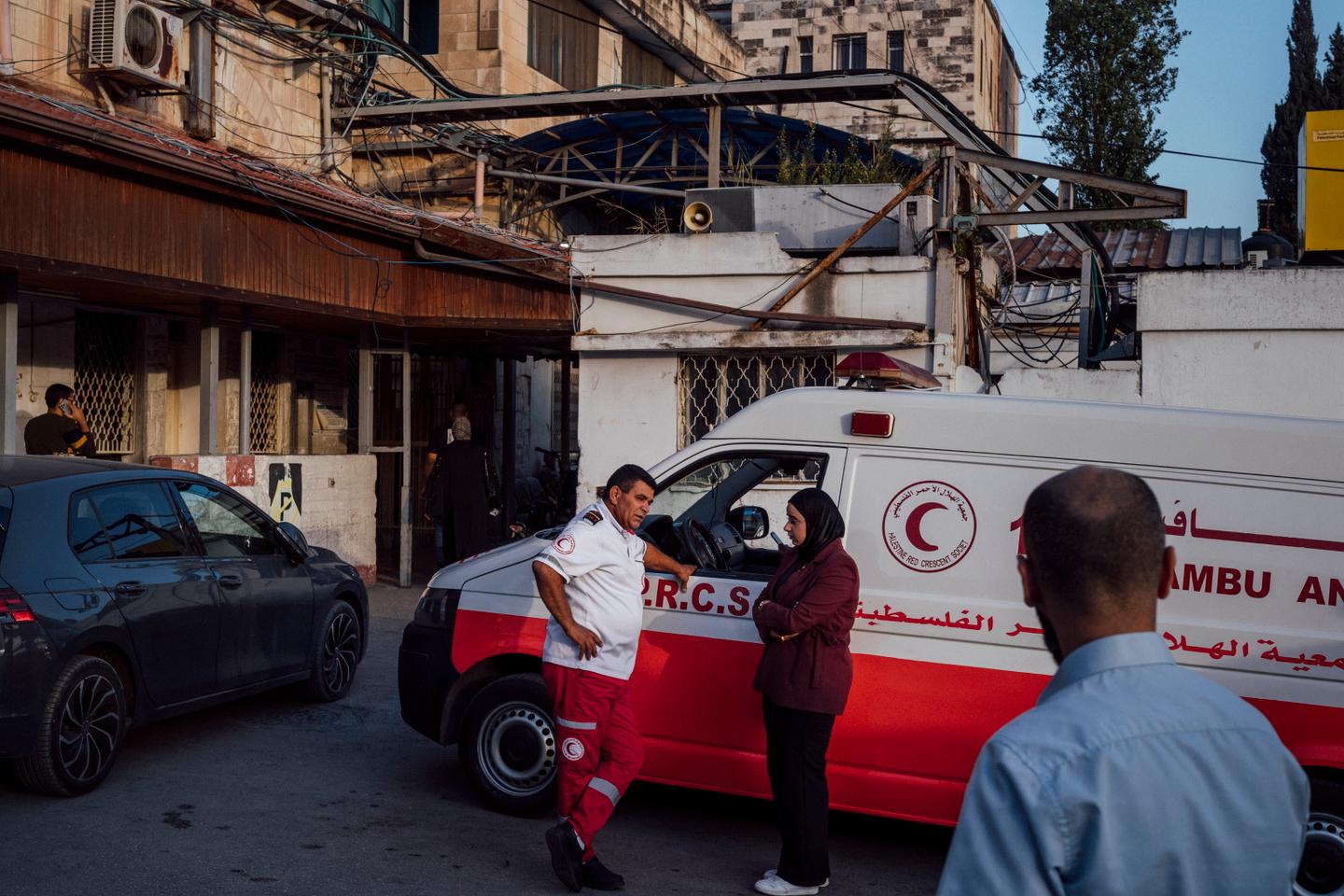
In Nablus, the Al-Watani hospital—the oldest government facility in the city—is operating at its breaking point. Patients and medical staff face significant challenges, including movement restrictions at checkpoints and threats posed by settler attacks, which frequently impede the delivery of emergency care.
The lack of available beds and medication has forced families to navigate a fragmented medical landscape, often moving patients between facilities in a desperate search for treatment.
The human cost of these shortages is illustrated by the case of 35-year-old Kamal Kout, who suffers from a rare genetic condition, according to Lemonde.
After being forced to wait three days in the emergency department at Al-Watani, he contracted a bacterial infection due to the hospital’s inability to provide timely care or adequate space. His father, Nidal Kout, described the ordeal as part of a two-year medical struggle that has seen his son transferred between hospitals seven times.
“Despite the emergency, we had to wait; it was risky,” said Nidal Kout.
“Like everywhere, there was no more room,” said Nidal Kout.
The Palestinian Authority, as the Fatah-controlled government body exercising partial civil control over the West Bank, is designated to manage civilian issues in Palestinian urban and rural areas under the Oslo Accords. However, its financial capacity has been severely constrained, with direct international aid suspended in 2006 following Hamas’ electoral victory, later resumed but channeled directly to Mahmoud Abbas’ offices, leaving the PA struggling to fund essential services like healthcare.
The absence of consistent medical supplies has forced families to personally source medications from pharmacies across West Bank cities, including East Jerusalem. To cover these mounting costs, Nidal Kout has incurred debts totaling approximately 50,000 shekels—roughly 14,000 euros—relying on personal loans and contributions from relatives to sustain his son’s care.