
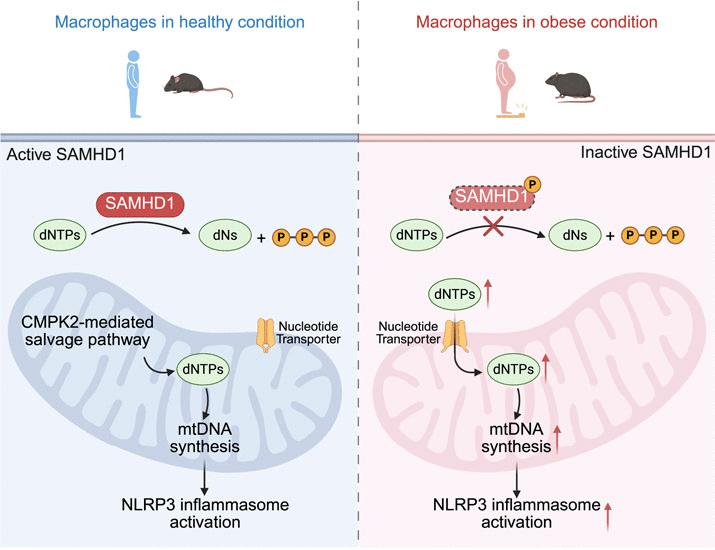
Obesity Drives Chronic Inflammation Thru NLRP3 Inflammasome Activation
Obesity isn’t simply a matter of excess weight; it’s a significant driver of chronic disease due to the persistent, low-grade inflammation it triggers. Recent research highlights a key mechanism behind this: the overactivation of the NLRP3 inflammasome in macrophages,leading to an overproduction of the inflammatory molecule interleukin-1β (IL-1β). This process fuels a dangerous cycle that contributes to conditions like type 2 diabetes, cardiovascular disease, and even neurodegenerative disorders.
The Link Between Obesity and Inflammation
For years, scientists have understood that obesity is linked to increased levels of inflammatory markers in the body. Adipose tissue (body fat) isn’t just a storage depot; it’s an active endocrine organ that releases various molecules, including pro-inflammatory cytokines. As fat accumulates,particularly visceral fat around the abdominal organs,these inflammatory signals escalate. Research published in Frontiers in Immunology details the complex interplay between adipose tissue, immune cells, and systemic inflammation in obesity.
What is the NLRP3 Inflammasome?
The NLRP3 inflammasome is a crucial part of the innate immune system – the body’s first line of defense. It’s a multi-protein complex that forms in response to various danger signals, including those arising from metabolic stress in obesity. When activated, NLRP3 triggers the maturation and release of IL-1β, a potent pro-inflammatory cytokine. A review in Nature Reviews Immunology explains the central role of the NLRP3 inflammasome in mediating inflammatory responses.
How Obesity Activates NLRP3
Several factors contribute to NLRP3 inflammasome activation in obesity:
- Fat Accumulation: Excess lipids themselves can act as danger signals, triggering NLRP3.
- Mitochondrial Dysfunction: Obesity frequently enough leads to impaired mitochondrial function in cells, releasing mitochondrial DNA into the cytoplasm, which activates NLRP3.
- Increased Reactive Oxygen Species (ROS): Metabolic stress in obese individuals generates more ROS,contributing to NLRP3 activation.
- Gut Microbiota Dysbiosis: Alterations in the gut microbiome, common in obesity, can increase intestinal permeability (“leaky gut”) and promote systemic inflammation, further activating NLRP3. Recent studies in Cell Metabolism demonstrate the impact of gut microbiota on NLRP3 inflammasome activation in obesity.
The Role of IL-1β
IL-1β, once released, amplifies the inflammatory response.It recruits more immune cells to the site of inflammation, promotes insulin resistance, and contributes to the growth of metabolic dysfunction. Chronically elevated IL-1β levels are strongly associated with the progression of obesity-related diseases.
Potential Therapeutic Targets
Understanding the NLRP3-IL-1β pathway in obesity opens avenues for potential therapeutic interventions. Researchers are exploring:
- NLRP3 Inhibitors: Drugs that directly block NLRP3 activation are under development.
- IL-1β Blockers: medications like canakinumab, which target IL-1β, have shown promise in reducing cardiovascular events in patients with prior heart attacks and elevated inflammation. The CANTOS trial, published in the New England Journal of Medicine, demonstrated the cardiovascular benefits of IL-1β inhibition.
- Lifestyle Interventions: Weight loss through diet and exercise can reduce inflammation and NLRP3 activation.
- Targeting the Gut Microbiome: Strategies to restore a healthy gut microbiome, such as dietary changes or probiotics, may help dampen inflammation.
Looking Ahead
The connection between obesity, NLRP3 inflammasome activation, and IL-1β production is a critical area of ongoing research. Further inquiry is needed to fully elucidate the complex mechanisms involved and to develop effective therapies that can mitigate the inflammatory consequences of obesity and prevent the development of associated chronic diseases.
