
Obamacare’s Legacy: How Health Care Reform Fueled Political Division & Distrust of Science
WASHINGTON — A recent book, Whiplash: From the Battle for Obamacare to the War on Science, details the fraught passage and enduring political fallout of the Affordable Care Act (ACA), signed into law on March 23, 2010, by President Barack Obama. The book, by public health expert David Blumenthal and political scientist James Morone, argues that the ACA’s legacy extends far beyond healthcare policy, contributing to a broader polarization of American politics and a growing distrust of scientific expertise.
The authors contend that the fifteen years since the initial debates over healthcare reform have been marked by intense partisan conflict, beginning with the Clinton administration’s failed attempt at reform in 1993. According to the book, Obama’s approach to passing the ACA, while ultimately successful, inadvertently exacerbated existing divisions. Instead of focusing on the personal impact of medical debt and illness, Obama became entangled in complex negotiations with wavering lawmakers who repeatedly broke promises and stalled votes, according to the account.
The ACA, also known as Obamacare, aimed to expand health insurance coverage, particularly to those with pre-existing conditions and to lower healthcare costs. As of 2023, the Obama Foundation reports that the ACA has provided coverage to over 40 million Americans and expanded Medicaid to 40 states, covering 21 million low-income adults under 65. However, the law’s implementation was not without significant challenges, most notably the initial rollout of its website, which required a complete rebuild.
The book highlights the rise of the Tea Party movement during the ACA debates, fueled by misinformation and opposition to the law’s provisions, including claims of “death panels” and government interference in healthcare decisions. This opposition, the authors argue, foreshadowed a broader “war on science” that would manifest during subsequent administrations.
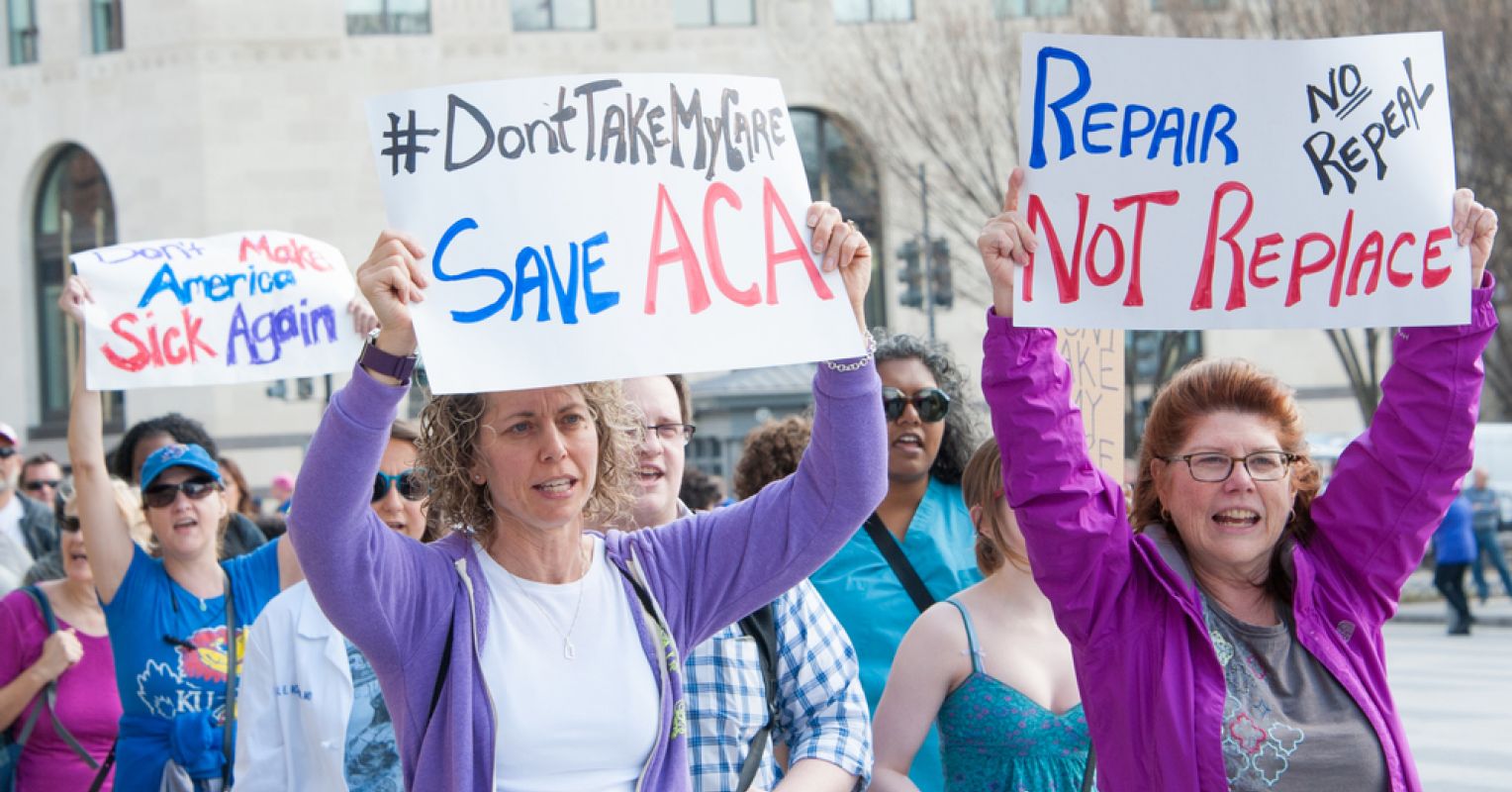
Despite repeated attempts to repeal the ACA, including during the Trump administration, the law has remained largely intact. The book notes that even after Donald Trump’s election in 2024, efforts to dismantle the ACA failed. The Biden administration has since taken steps to strengthen the ACA, addressing some of its structural weaknesses, but also faced challenges in securing enough Democratic support to prevent the sunsetting of certain provisions of a related rescue package.
Whiplash details how anger over the ACA extended beyond healthcare, becoming intertwined with anti-immigrant sentiment and vaccine hesitancy. Falsehoods about immigrants’ access to healthcare were used to sway public opinion, and opposition to the ACA contributed to a broader distrust of public health officials and scientific expertise, particularly during the COVID-19 pandemic. The authors draw a distinction between Democratic and Republican understandings of “liberty,” with Democrats emphasizing “freedom from want” and Republicans prioritizing “freedom from others” and their associated costs.
The book contrasts Trump’s initial embrace of COVID-19 vaccines, seen as a potential boost to his reelection campaign, with his later rejection of the vaccines and attacks on public health officials. Trump’s shift, the authors suggest, reflected a broader pattern of undermining scientific consensus and appealing to anti-establishment sentiment. He publicly questioned the advice of public health officials, even those who were Democratic governors, and spread the view that public health restrictions were “tyranny,” urging supporters to “LIBERATE” states with lockdown measures.
The authors conclude that the ACA’s passage and implementation revealed a deep-seated political dysfunction and a susceptibility to attacks on federalism and scientific expertise. The book suggests that future legislative battles over healthcare and other policy issues will likely face similar challenges, requiring a greater understanding of the underlying cultural and political divisions that have been exacerbated by the ACA debate.