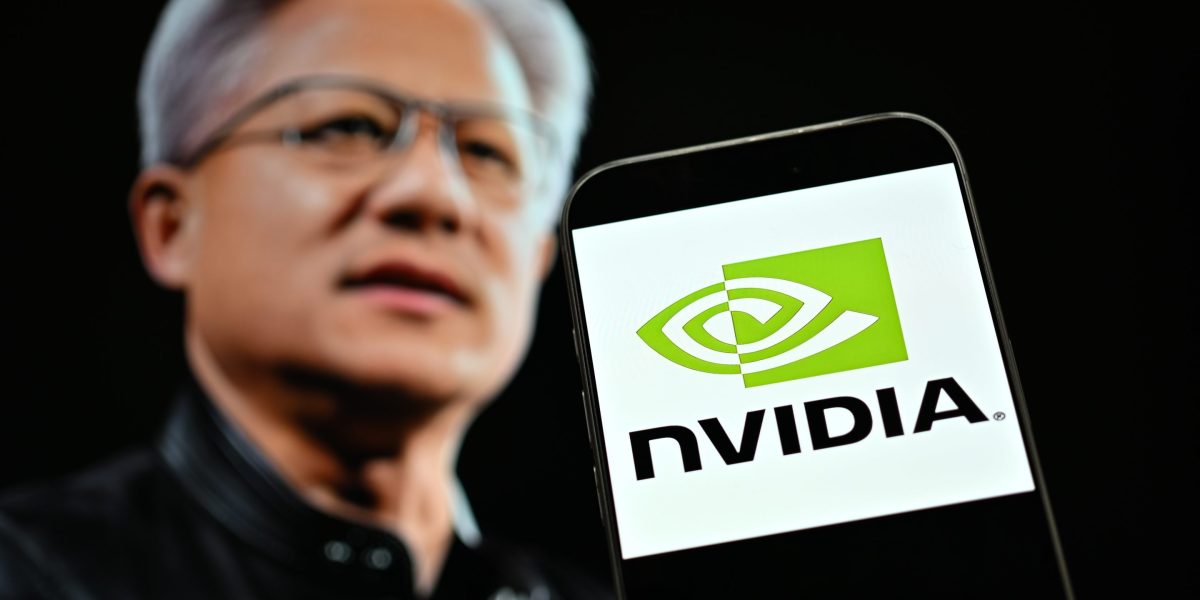
Nvidia Chips Diverted to Blacklisted Chinese Universities via Fraud Scheme
At least $510 million in Nvidia servers were diverted to China through staged compliance audits and fake dummy hardware during a few weeks in spring 2025, according to federal prosecutors cited by fortune.com.
- Jensen Huang returned as Nvidia chief executive on November 23, 2026, after the board concluded his reinstatement posed no national security risk.
- Six blacklisted Chinese universities procured restricted Nvidia chips through Chinese suppliers, according to an edition.cnn.com review.
- China mines roughly 60% of the world’s magnet rare earths and refines around 90%, according to the International Energy Agency.
Federal investigators uncovered a complex scheme where auditors inspecting a Southeast Asian warehouse in August 2025 found rows of nonworking dummy servers. The actual servers packed with Nvidia processors had already gone to China, and conspirators repeated the trick for subsequent Commerce Department inspectors using hair dryers to swap serial labels, fortune.com reported.
Nvidia announced on November 23, 2026, that its board unanimously voted to reinstate Jensen Huang as President and Chief Executive Officer following discussions with senior U.S. officials, according to a sec.gov filing. The board formed a National Security and Export Control Committee and initiated a search for a new Chief Compliance Officer, according to the sec.gov filing.
Official assurances contrast with documented shipments reaching blacklisted institutions in China. edition.cnn.com reported that nearly 80% of 90 buyers examined in university procurement records were universities and nearly 14% were research institutes. Northwestern Polytechnical University bought four H200 chips for about $240,000 across September and October, while the Harbin Institute of Technology purchased an A100 chip for about $7,000 in September, edition.cnn.com reported.
“Once these chips are in China, it’s very hard for anyone to be able to stop their sale,” said Kate Koren, a former US export control official who now serves as a research director at the Center for Strategic and International Studies, told edition.cnn.com. “We know it happens, and it’s very difficult to stop.”

Chinese officials defended access to the hardware amid tightening trade restrictions. “China firmly opposes the US overstretching the concept of national security and formulating various types of discriminatory lists to go after Chinese institutions,” said Mao Ning, a spokeswoman for China’s Foreign Ministry, told edition.cnn.com.